GLOBAL TACTICAL ANALYSIS CENTER
61 تقرير مُدرج -- "Iraq"
A two-week ceasefire between the US and Iran has sparked celebrations across Iraq. This suspension marks a temporary pause in hostilities with potential regional security implications.
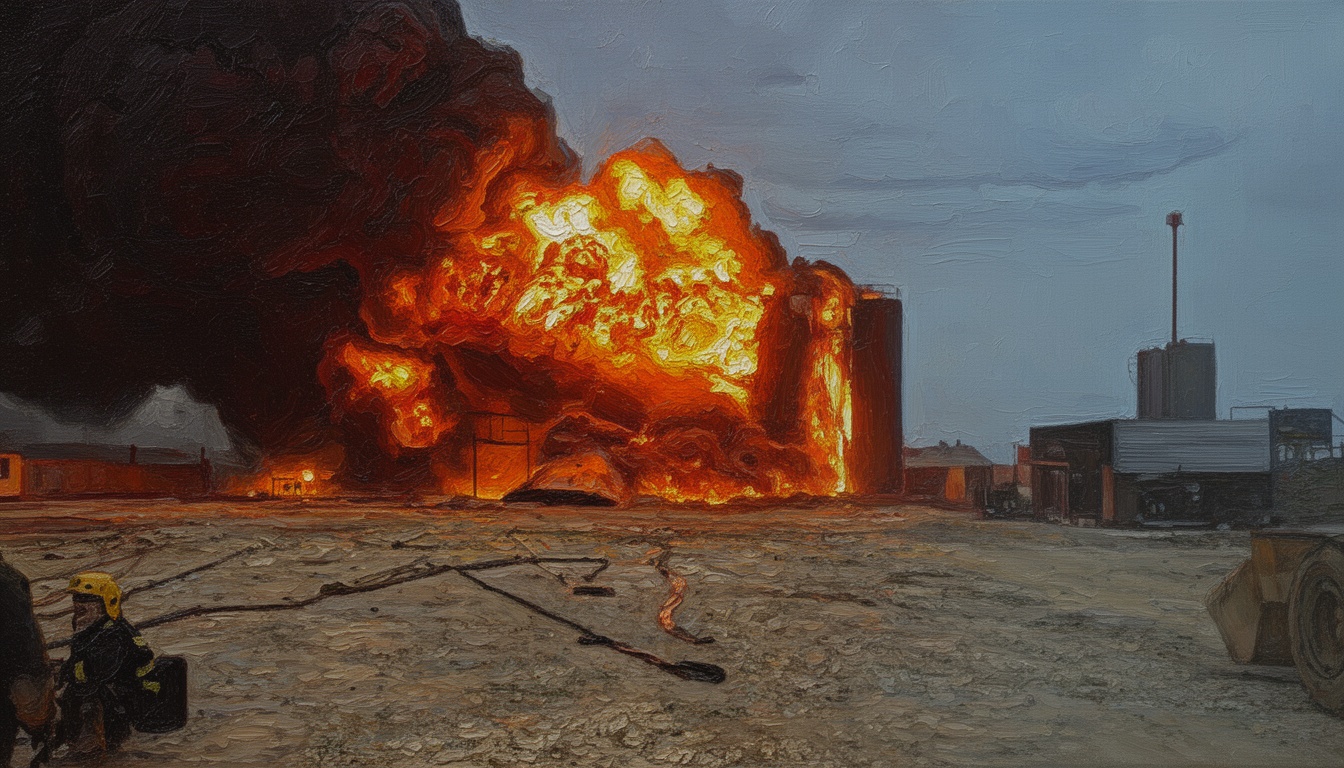
A significant blaze erupted at oil storage tanks in Nahrawan near Baghdad, threatening Iraq's vital energy infrastructure. The incident raises concerns over potential supply disruptions and damage to critical fuel reserves.
Iraq’s careful balancing act between the US and Iran faces collapse as ongoing US-Israeli confrontations against Iran undermine Baghdad’s stability. This threatens Iraq’s political influence and regional security posture amid rising tensions in the Middle East.
Iran-backed Iraqi militias increase attacks on U.S. targets amid Tehran's waning control. This shift signals growing instability and challenges for regional power balance.
Falling drone fragments near Erbil airport in northern Iraq raise security concerns and indicate possible regional military escalations. Such incidents threaten civilian safety and highlight vulnerabilities in contested airspaces.
Iran sustains a robust, decentralized military network deterring large-scale US invasions. The US holds operational strike options but avoids full-scale invasion, acknowledging Iran’s complex defense resilience.
Iran-aligned Iraqi militias have launched a series of cross-border attacks on Gulf states, prompting unprecedented joint Arab condemnation. Baghdad’s inability to restrain these armed proxies threatens regional stability and cracks the fragile Arab consensus against Tehran’s expansionism.
The US military has launched a record number of Tomahawk cruise missiles against Iran within a month, surpassing entire missile usage during the 2003 Iraq invasion. This rapid expenditure raises alarm over dwindling missile reserves amid rising Indo-Pacific tensions, threatening strategic deterrence and operational readiness.
Saudi Arabia, UAE, and Iraq expand pipeline networks to secure oil exports, reducing reliance on the volatile Strait of Hormuz. This strategic move aims to safeguard global energy flows amid regional tensions.
Iraq faces escalating violence as militias backed by Iran and rival foreign powers clash, destabilizing the region. This fragile front risks dragging Iraq deeper into the wider US-Israel campaign against Tehran.
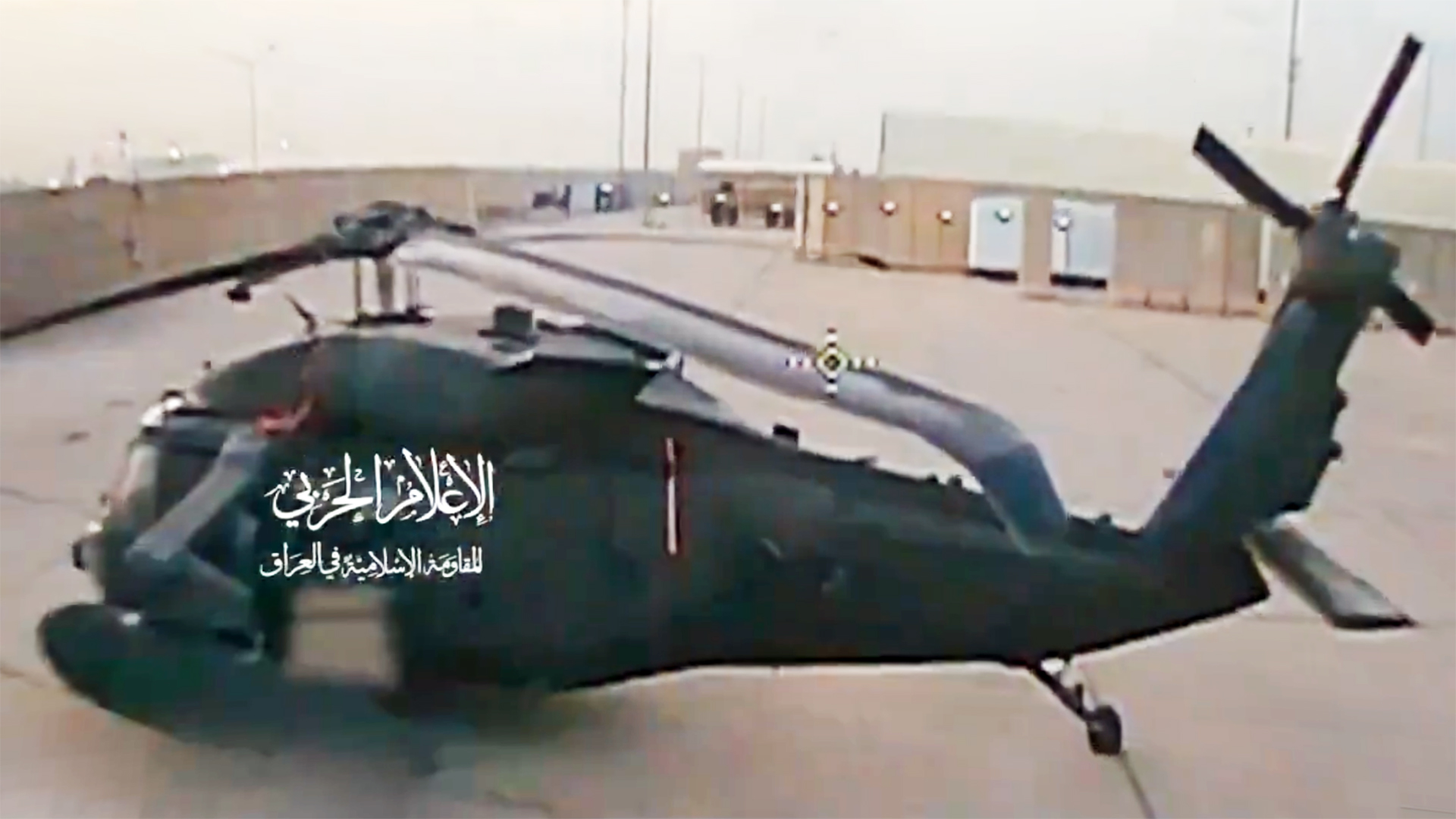
FPV drone attacks on U.S. military assets in Iraq reveal critical vulnerabilities in force protection. The emerging unmanned aerial threat challenges traditional airbase security, signaling potential global risks to military aviation.
U.S. air strikes have killed seven fighters from Iran-aligned Popular Mobilization Forces (PMF) in Iraq’s Anbar province, escalating tensions between Washington and Tehran proxies. The operation targets militias that challenge US interests and increase regional instability.
Comprehensive military weapons database with 1000+ systems. Enable JavaScript for the full experience.