GLOBAL TACTICAL ANALYSIS CENTER
6326 REPORTS CATALOGUED
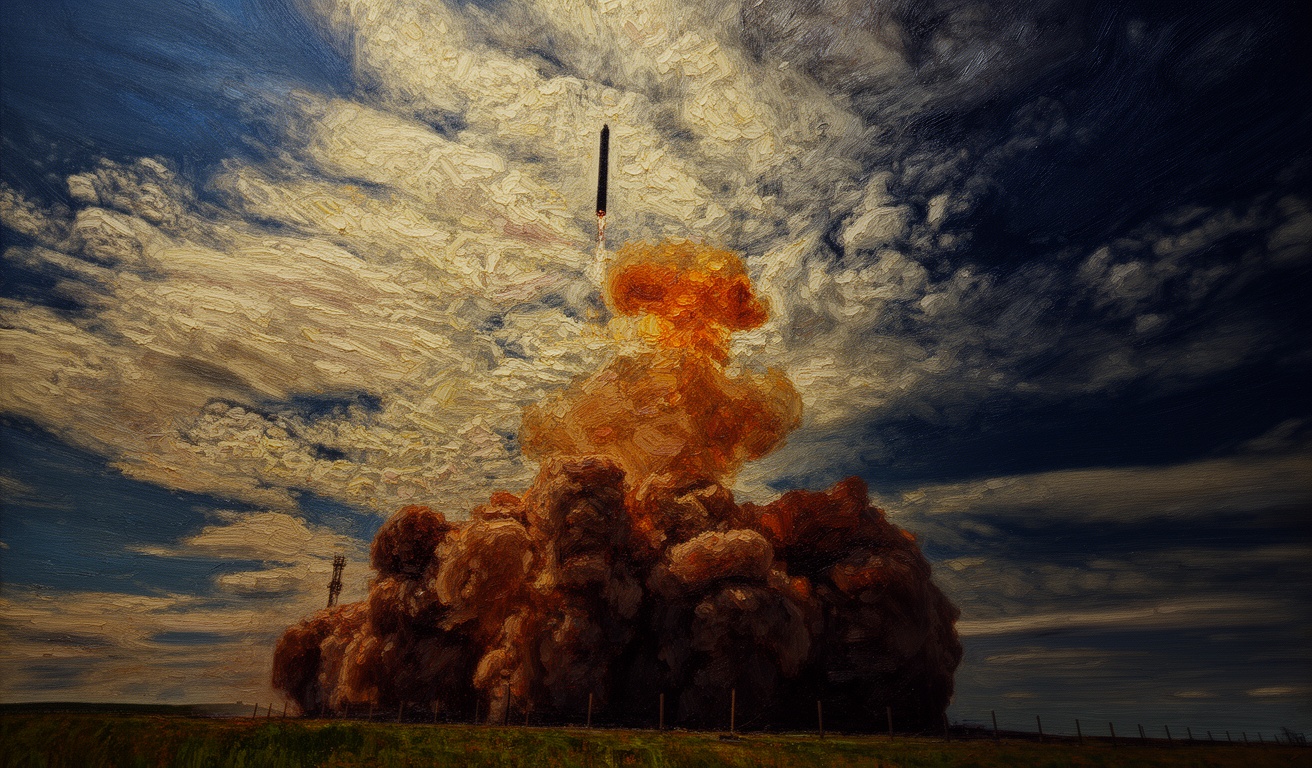
The RS-28 Sarmat missile's capabilities challenge Western military assessments. Its potential strategic applications could significantly alter the global security landscape.
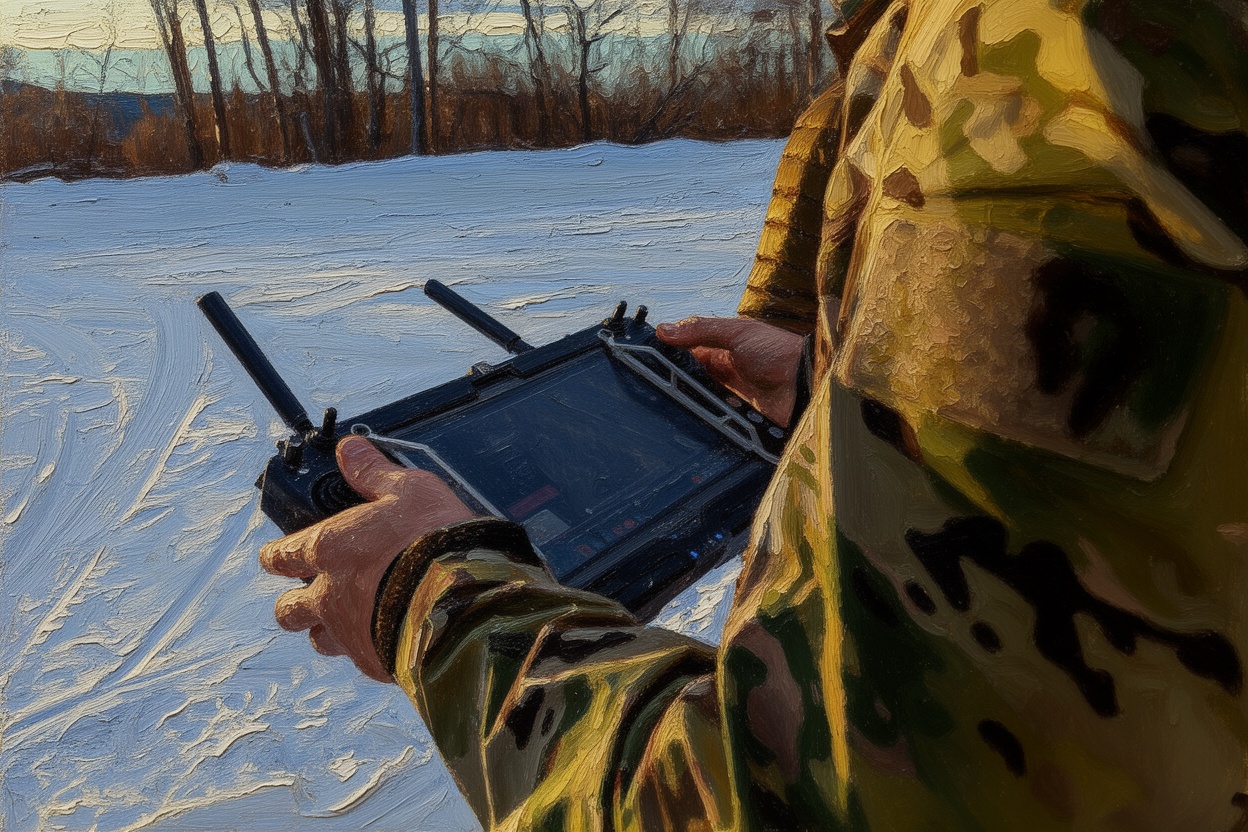
US special operations forces face significant challenges with outdated equipment as technology progresses. Dependence on manufacturers for modifications leaves operational capabilities lagging.
The inclusion of Ben Wallace on Russia's wanted list signals escalating tensions over Ukraine. His prior recommendations for strikes against Russian targets underline a significant security impact.
The US Navy is bracing for financial limitations in the upcoming summer months. This situation arises primarily from ongoing operational commitments, impacting fleet readiness.
The role of air defense in the Indo-Pacific region has transformed significantly, according to Brig. Gen. William Parker, Chief of the 94th Army Air and Missile Defense Command. This evolution is marked by advanced technologies and strategic changes in response to emerging threats.
The recent release of UFO files by the Pentagon raises questions about transparency and potential political motives behind the timing. International defense experts are analyzing the implications for security and policy.
Recent interceptions by Austrian Air Force jets highlight rising tensions in European airspace. This incident, involving US military aircraft, showcases the complexities of international military engagements.
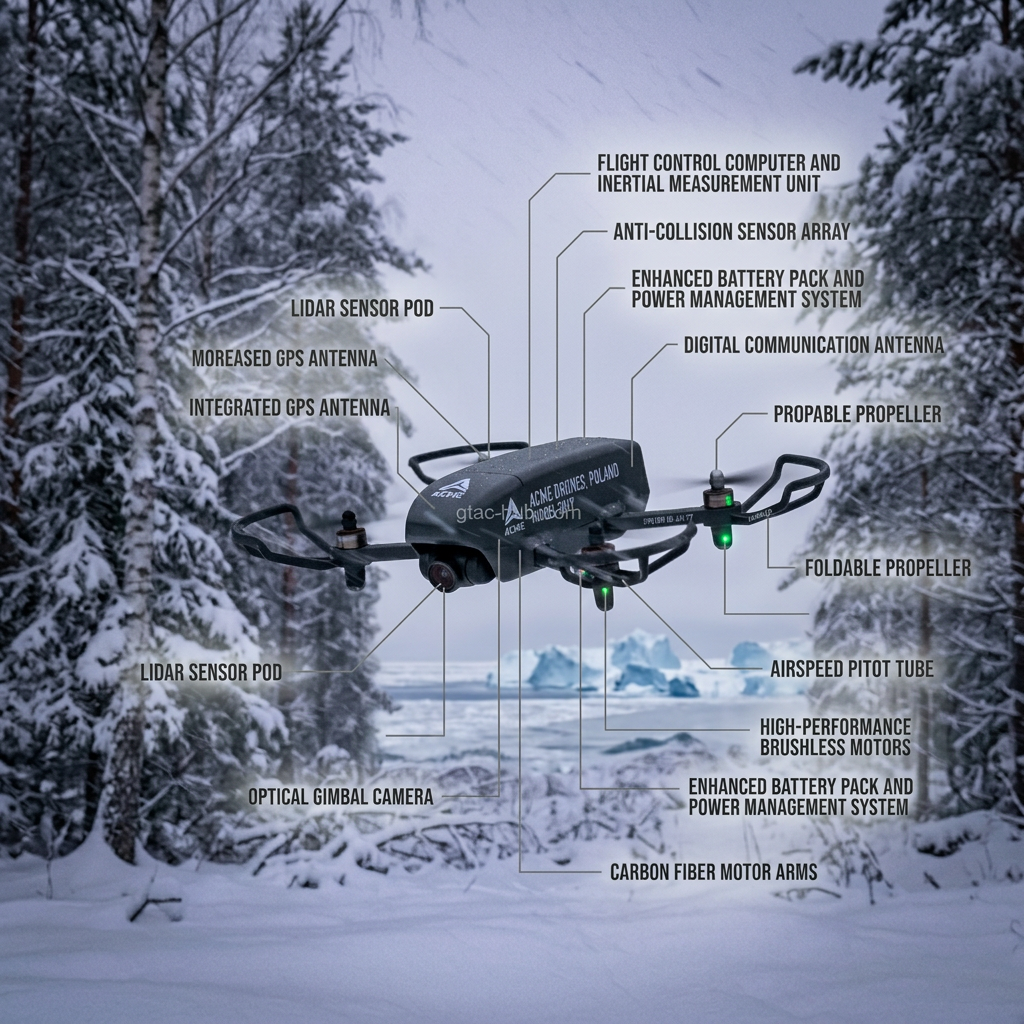
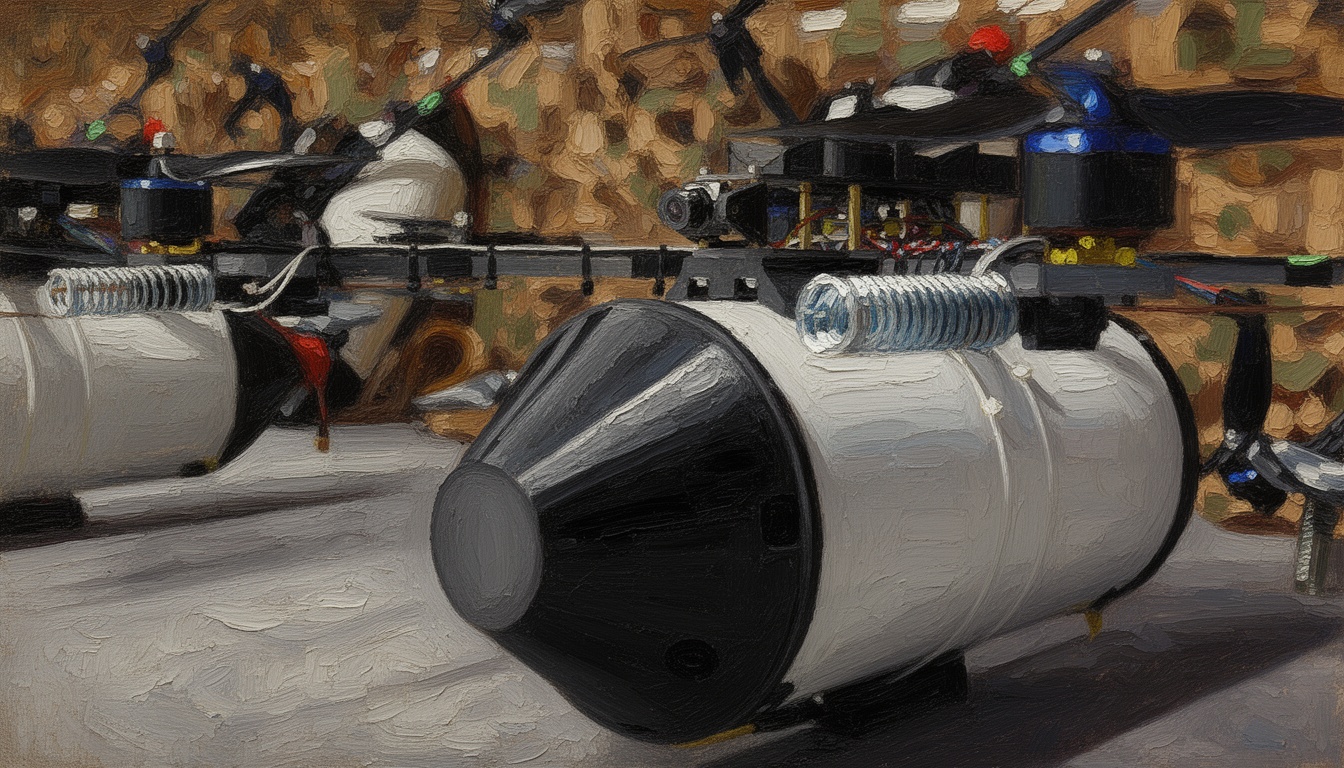
Israel's IDF is prioritizing the development of FPV drones to counter Hezbollah's effective use of similar systems, which have caused significant casualties. The move reflects Israel's urgency to enhance its drone warfare capabilities amidst ongoing regional tensions.
US-China relations are crucial as President Trump meets with Xi Jinping. The summit may impact trade and technology policy significantly.
King Charles III presents the legislative agenda while PM Keir Starmer faces internal Labour Party challenges. The policies will be tested by global conflicts.
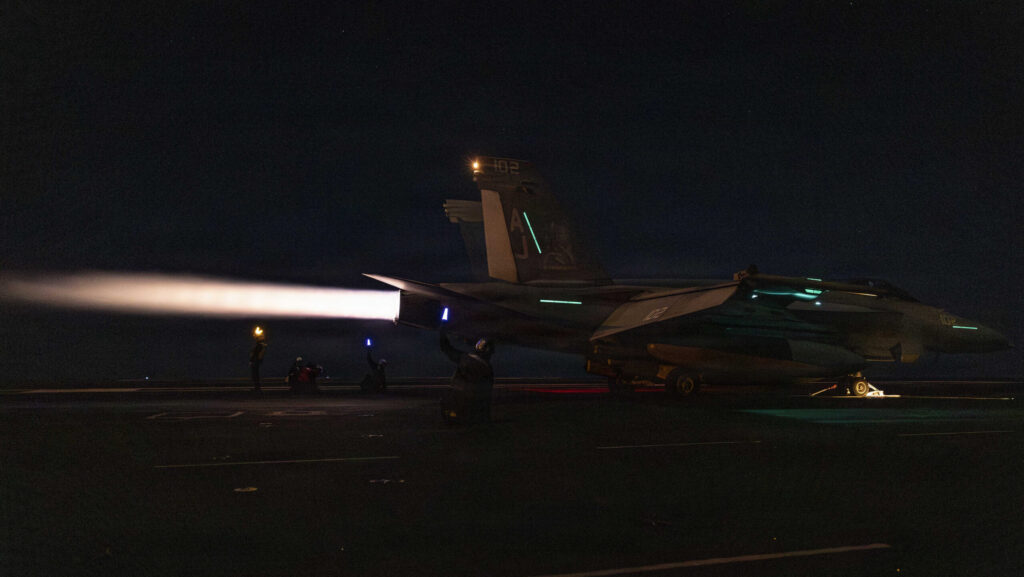
The effective use of AI in Epic Fury operations has reportedly prevented significant aircraft losses. AFSOC leadership emphasizes the critical role of innovation in combat scenarios.
Leidos has been awarded a significant contract for hypersonic weapons by the US Army, marking a crucial step from prototyping to production. This development underscores the increasing prioritization of hypersonic capabilities in military arsenals.
Comprehensive military weapons database with 1000+ systems. Enable JavaScript for the full experience.