GLOBAL TACTICAL ANALYSIS CENTER
2311 REPORTS CATALOGUED -- MIDDLE EAST
European companies in China are altering supply chains due to rising costs from the Iran conflict. Over a quarter have adjusted strategies as energy prices spike.
Iran's chief negotiator emphasized the urgency for the US to accept their peace proposal. Failure to do so could jeopardize the fragile truce in the Middle East, which is already under strain from escalating tensions.
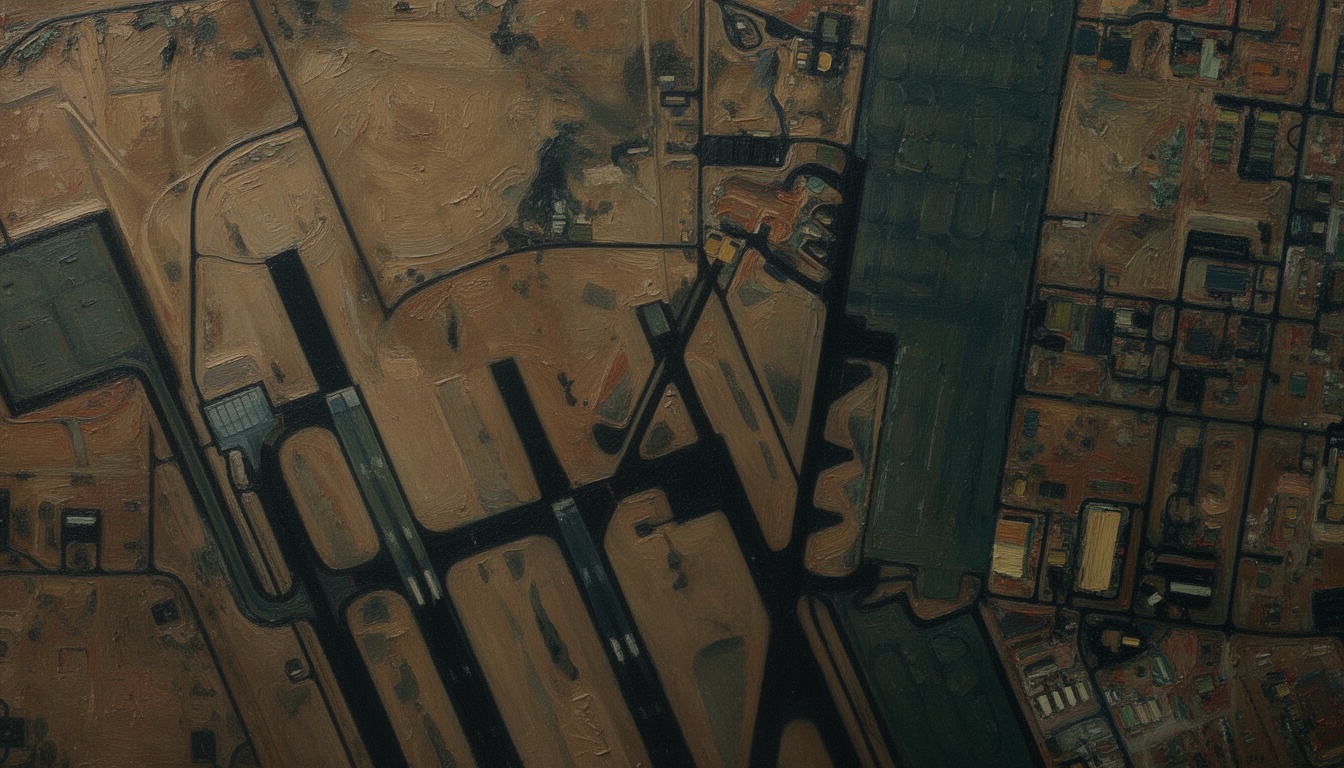
MizarVision, a Chinese satellite imaging company, proudly embraces US sanctions. The firm’s activities include analyzing US military deployments, highlighting its role in global military intelligence.
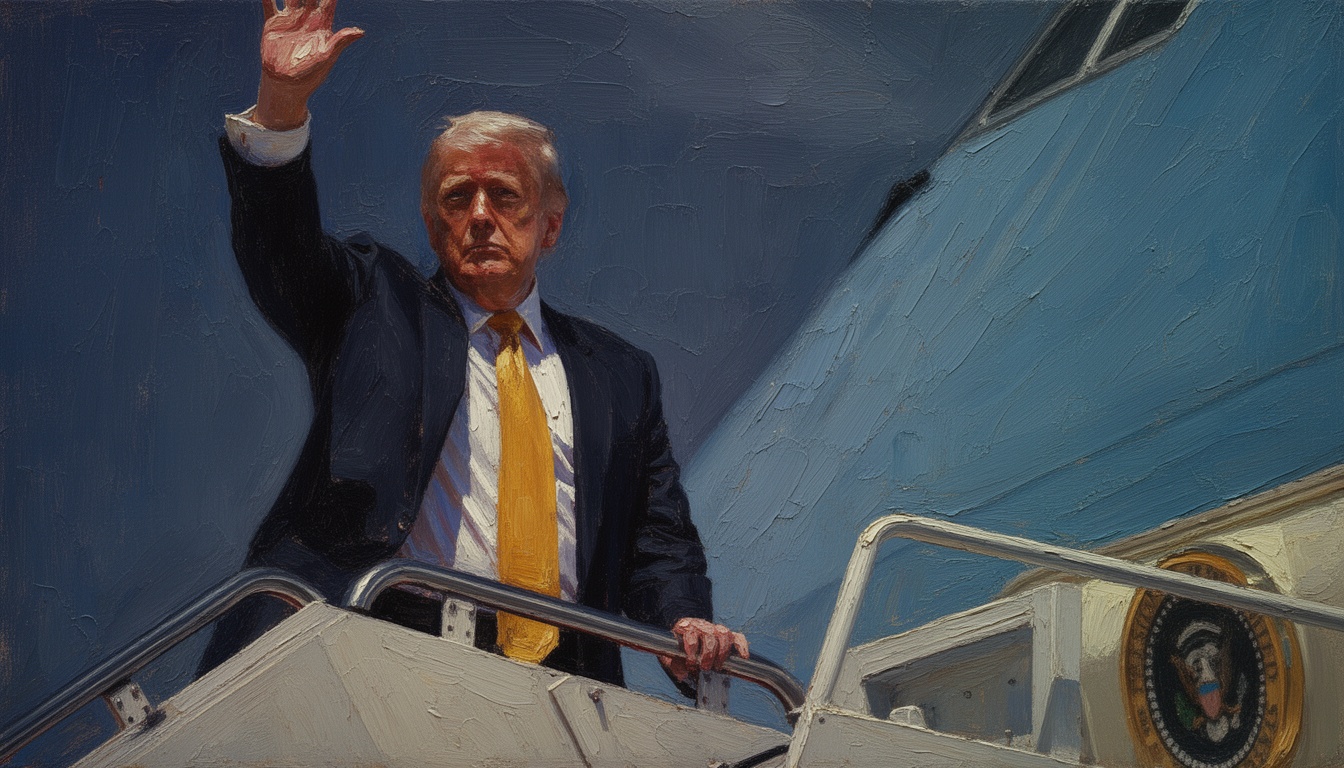
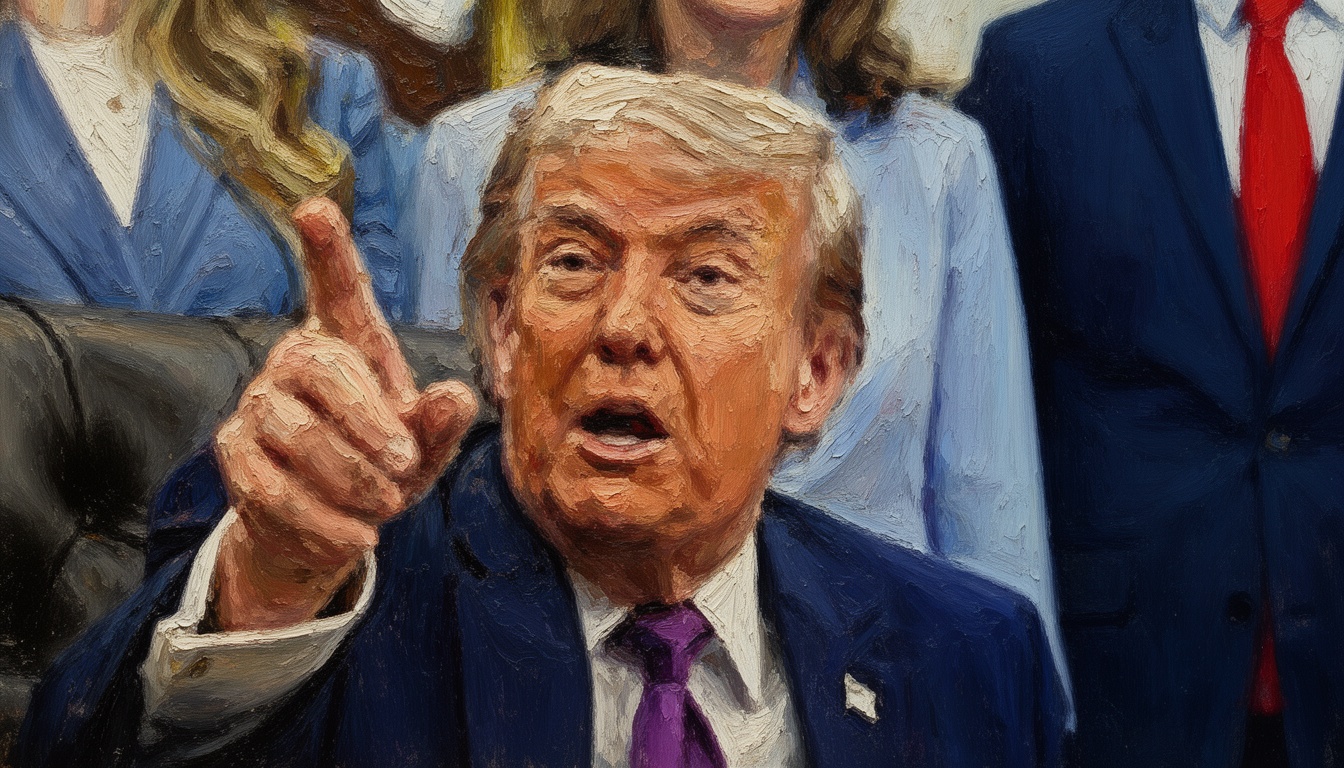
US President Donald Trump emphasizes the urgency of halting Iran's nuclear ambitions, dismissing domestic economic concerns. This stance signals a potential escalation in diplomatic tensions, with significant implications for regional security.
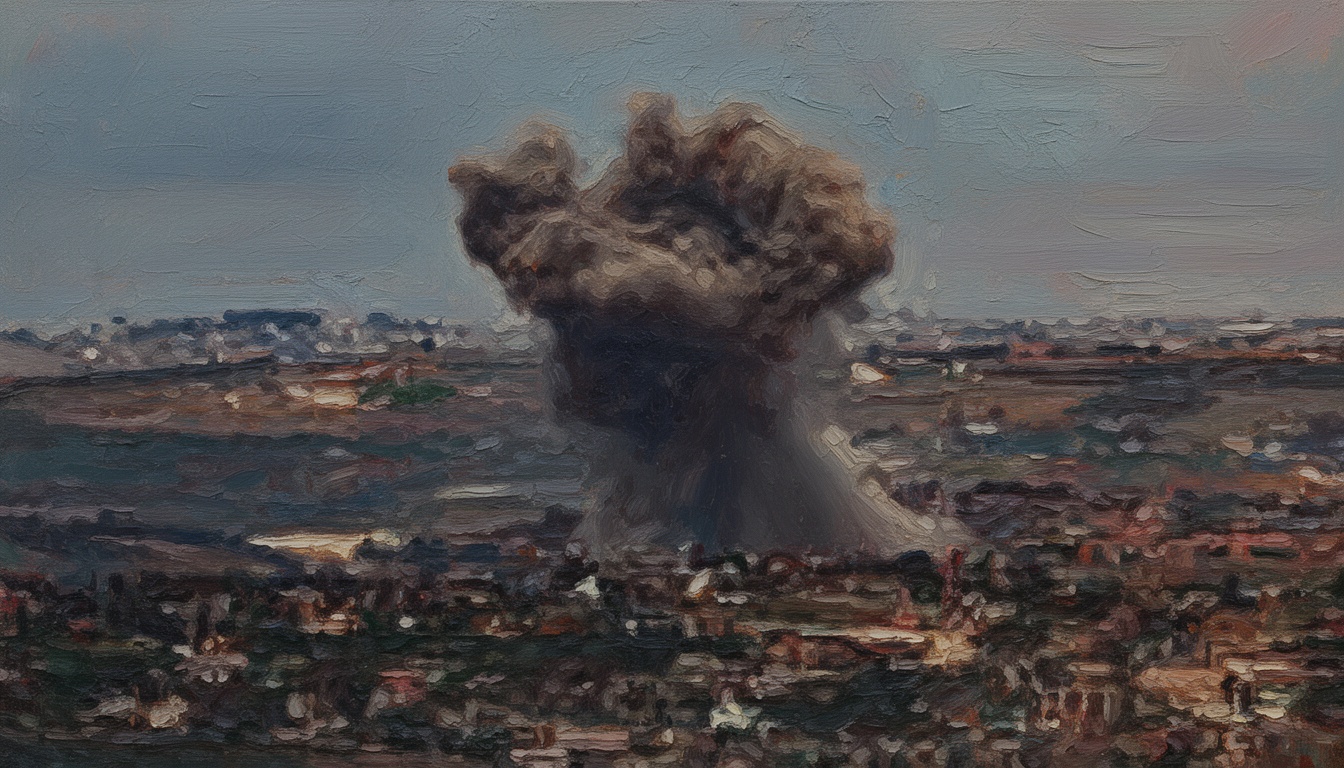
The ongoing Israeli military operations have resulted in significant casualties in Lebanon, highlighting escalating tensions in the region.
U.S. President Donald Trump signals a shift in focus from Iran to trade ahead of discussions with Chinese President Xi Jinping. This change may impact U.S.-Iran relations during a pivotal moment.
The US Air Force has entered the crucial final testing phase for the B-21 Raider stealth bomber, which aims to enhance long-range strike capabilities. This advancement poses a significant strategic shift in aerial combat power.
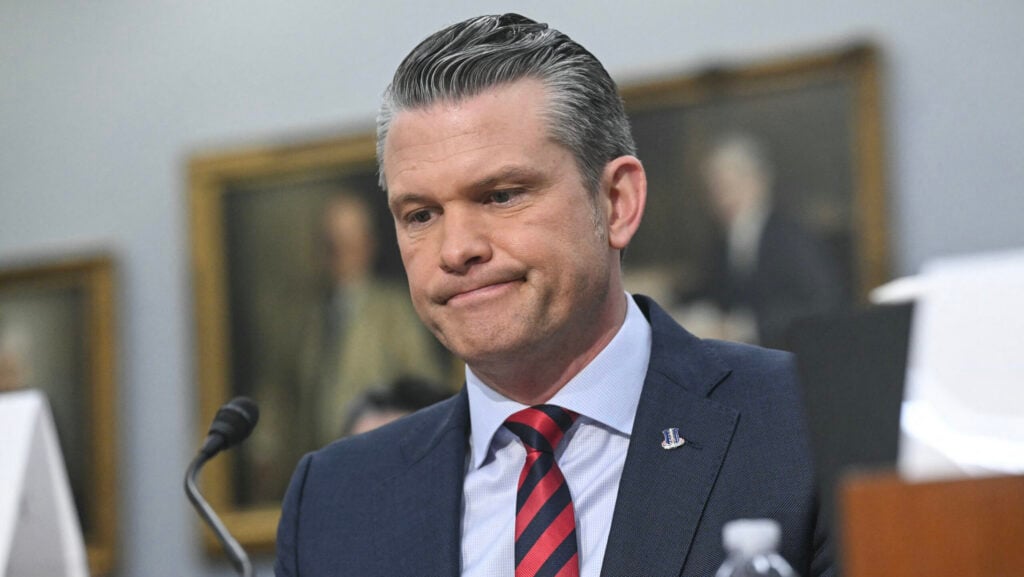
The Pentagon has stated that the costs for the Iran war have escalated significantly to approximately $29 billion, excluding the costs of military construction and base damages. The uncertainties surrounding future military deployments complicate budget forecasting.
US President Donald Trump criticizes Iran's counteroffer to end the conflict, labeling the month-long ceasefire as 'unbelievably weak'. This statement indicates heightened tensions surrounding the ongoing crisis in the region, with potential implications for international security.
The conflict in Lebanon escalates as ten fatalities are reported, including two paramedics. This incident highlights the ongoing security challenges and humanitarian crises amid military strikes.
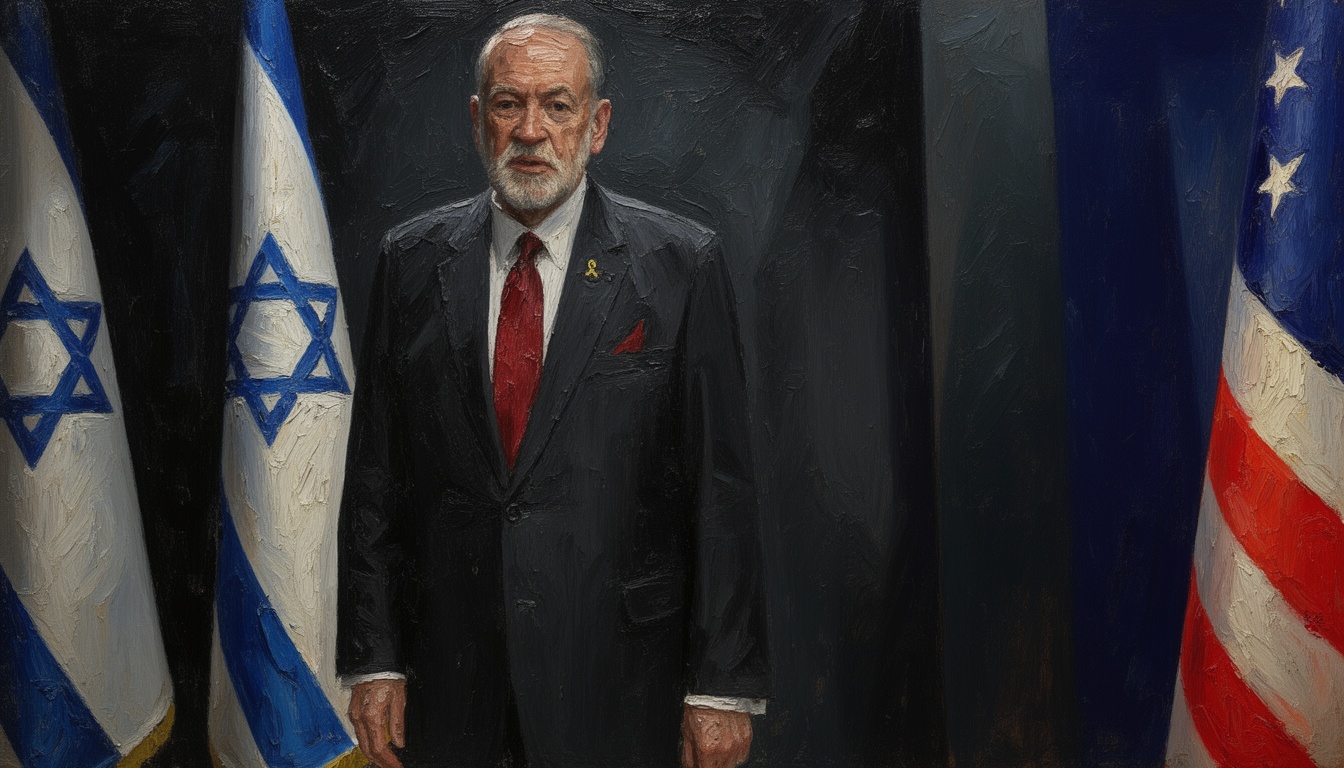
Israel's move to send Iron Dome batteries to the UAE signals deepening military collaboration. The action comes as regional tensions escalate between Israel and Iran, prompting calls for Gulf states to take sides.
Israel's new law aims to create a military tribunal for accused attackers. The death penalty could be a potential sentence, raising concerns over fair trial rights.
Comprehensive military weapons database with 1000+ systems. Enable JavaScript for the full experience.