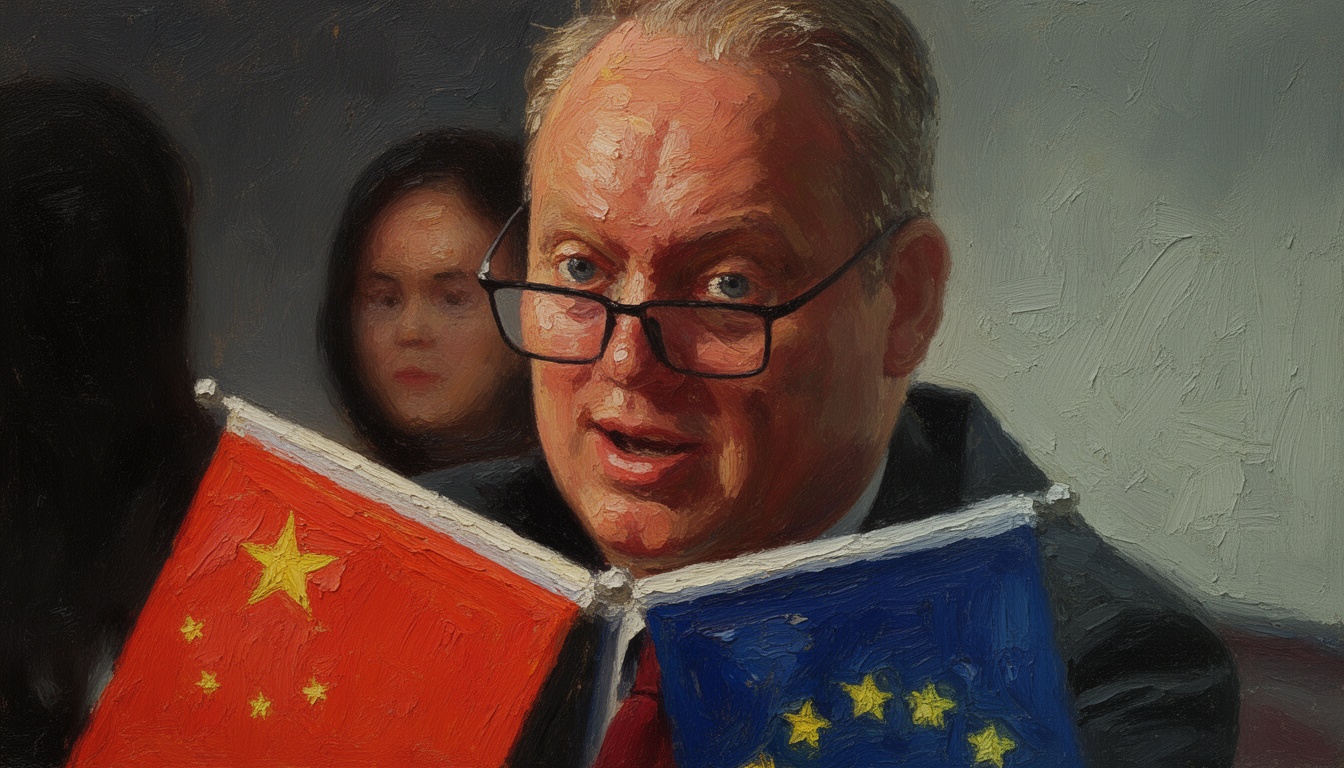
European Firms Shift Production in China Amid Iran Conflict Cost Surge
European companies in China are altering supply chains due to rising costs from the Iran conflict. Over a quarter have adjusted strategies as energy prices spike.
In light of escalating costs driven by the US-Israeli war on Iran, European firms in China are reshaping their supply chain strategies. A recent survey conducted by the EU Chamber of Commerce in China revealed that more than 25% of these companies have made adjustments to their operations. This shift comes as businesses face increased energy and logistics costs associated with the ongoing Middle East conflict.
The survey highlights that 60% of chemical and petroleum companies are particularly affected, pivoting their strategies to mitigate rising operational expenses. As energy costs surge, these companies are exploring alternative sourcing locations to sustain their profitability and operational efficiency. Furthermore, the adjustment in supply chains reflects broader economic ramifications stemming from geopolitical tensions in the region.
Strategically, this shift underscores the vulnerability of global supply chains to geopolitical conflict and economic disruption. The reliance on a stable operational environment is crucial for European firms, and the instability caused by the Iran war presents significant challenges. It remains to be seen how these companies will balance cost management with operational resilience in the face of changing dynamics.
Operating in China provides unique market advantages, but with increasing tensions and costs, firms are compelled to reconsider their long-term strategies. The survey indicates that companies are exploring diversified production to alleviate risk and enhance their supply chain robustness. This could lead to long-term shifts in production hubs, affecting future investments in the region.
As firms adapt to the current scenario, the strategic realignment of supply chains may have lasting impacts beyond immediate costs. Future policy responses and economic adjustments will be critical in shaping how European companies navigate the complexities arising from both local and global conflicts. This situation could also embolden firms to seek alternative markets, potentially reshaping international trade landscapes in this sector altogether.