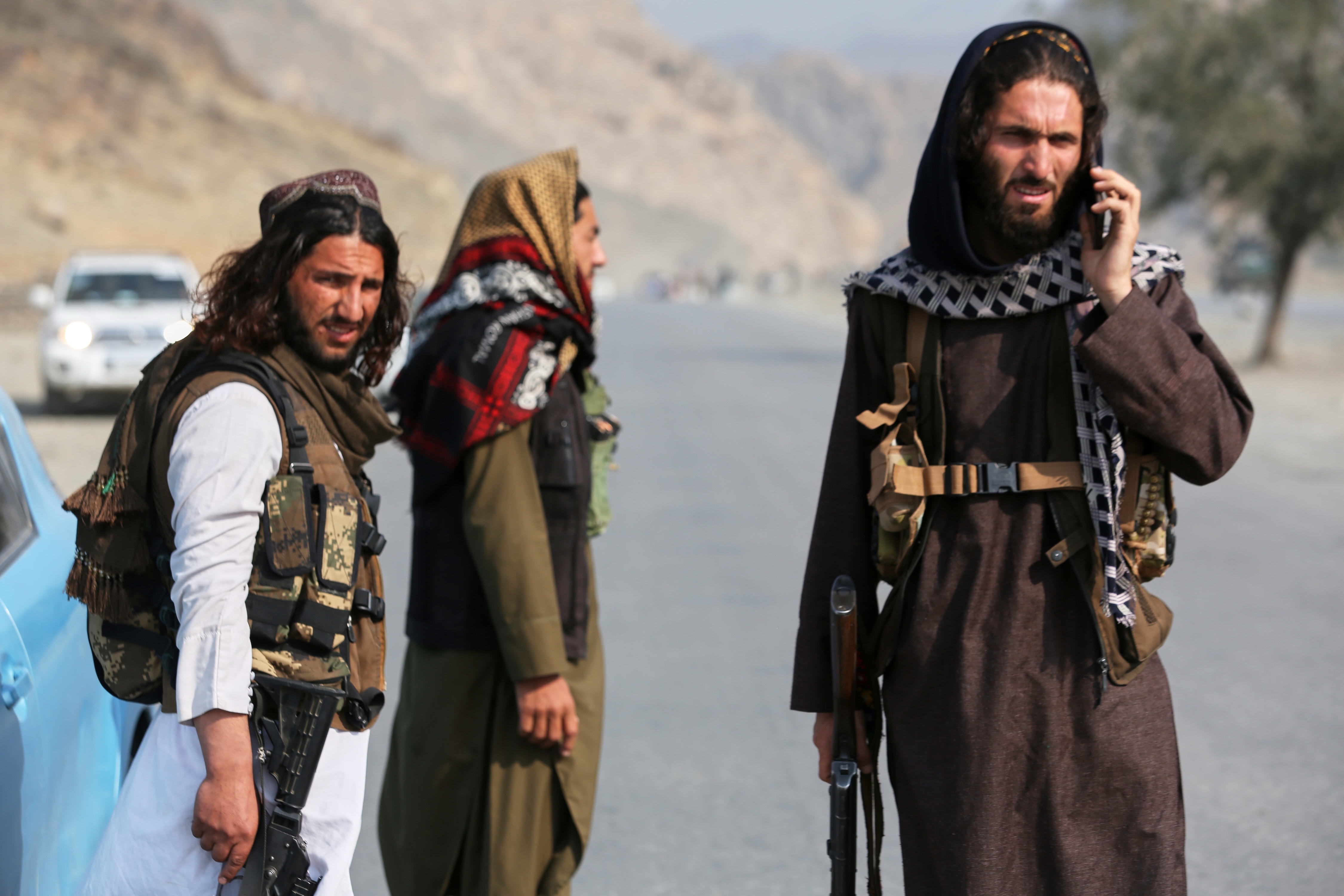
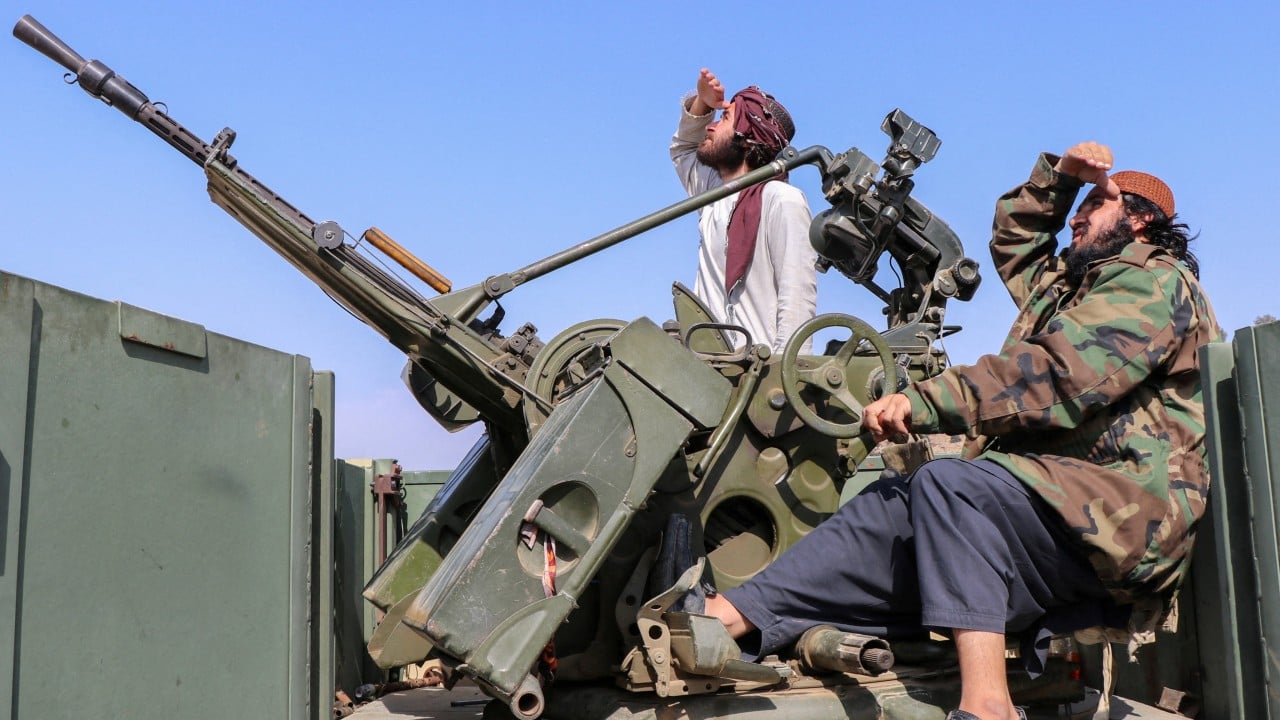
Pakistan has committed to deliver an 'immediate' military response after Afghan forces conducted a retaliatory attack, resulting in significant casualties among Pakistani troops. On Thursday, Afghan operations reportedly led to the deaths of dozens of Pakistanis and the capture of several soldiers, igniting a new wave of tensions in a long-standing border conflict that has seen increased violence in recent weeks.
This escalation can be traced back to a series of airstrikes conducted by Pakistan targeting what it identifies as militant bases within Afghan territory. These strikes, which resulted in civilian casualties as reported by the UN, have provoked outrage in Afghanistan, prompting military action from their security forces in response. The ongoing conflict reflects years of unresolved territorial disputes and mutual suspicions between the two nations, underpinned by a complex web of insurgency and counter-insurgency operations.
The situation is significant as it not only jeopardizes stability in the region but also unveils deep-seated vulnerabilities within both national armies. Each side's capacity to sustain prolonged military engagements along the border could be tested. Additionally, this incident poses a risk of drawing in regional powers who may seek to exploit or stabilize the situation based on their interests, particularly as both countries grapple with domestic challenges.
Key actors in this confrontation include the Pakistan military, which is under pressure to demonstrate capability and resolve to protect national sovereignty, and the Taliban-led government in Afghanistan, which is reestablishing its standing through military assertiveness. Pakistan's likely motivation is to maintain its influence over border areas, while Afghanistan aims to assert its territorial integrity and recover from a legacy of conflict.
Operationally, reports indicate that Afghanistan deployed significant manpower and likely used artillery or light infantry tactics in the attack, capitalizing on Pakistan's vulnerabilities along an extensive border estimated to be over 2,400 kilometers. The specific military capabilities involved in this encounter remain unclear, but the casualties reported could solidify calls for increased military presence and spending on both sides, changing the logistic landscape at the border.
Potential consequences of these clashes could include an intensified military buildup along the Pak-Afghan border, further civilian displacements, and escalating rhetoric that could lead to broader conflicts. As Pakistan prepares to act on its vow of retaliation, the risk of miscalculations or accidental engagements rises significantly, threatening an all-out confrontation.
Historically, this border has been a flashpoint for conflict, reminiscent of crises such as the 2011 border skirmishes that left both sides reeling. The legacies of such confrontations often lead to long-standing hostilities, as seen in past conflicts across South Asia, highlighting the potential for recurring cycles of violence.
Moving forward, intelligence analysts should assess troop movements and the mobilization of special forces on both sides, monitoring statements from military leadership for escalating rhetoric. The potential for escalation into a larger regional conflict is significant, with implications not just for Afghanistan and Pakistan but for broader international stability in South Asia.