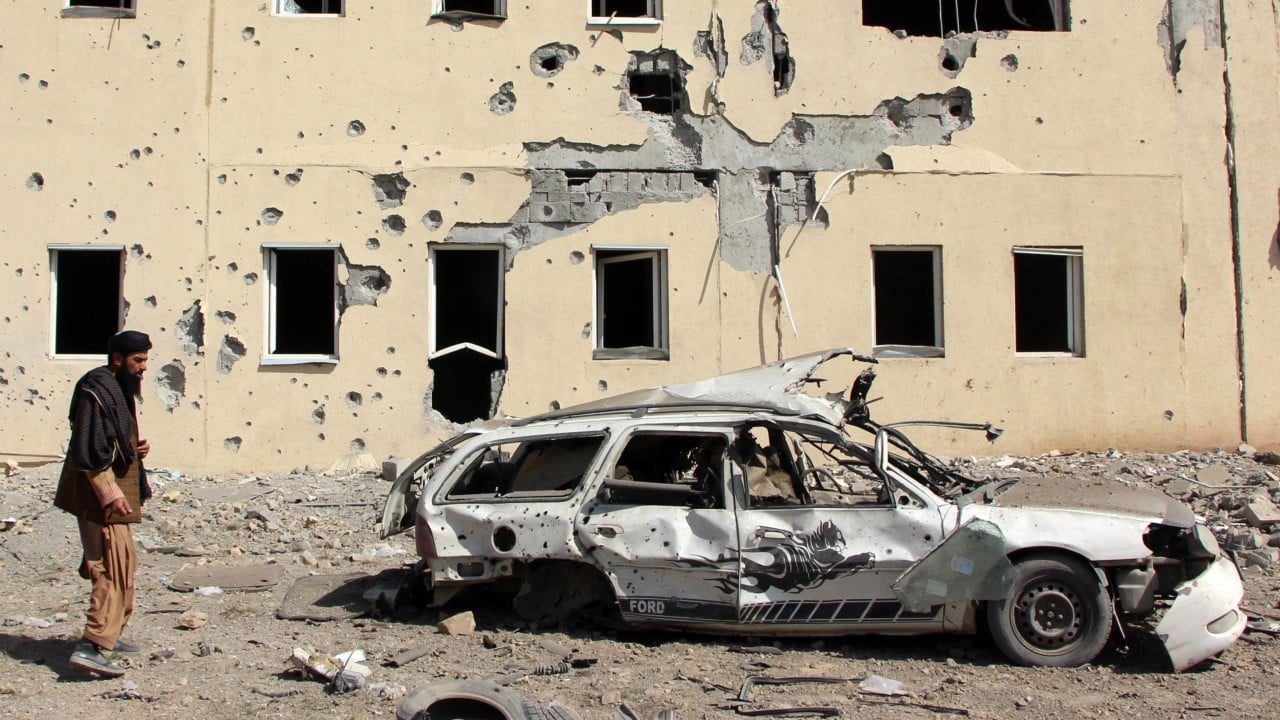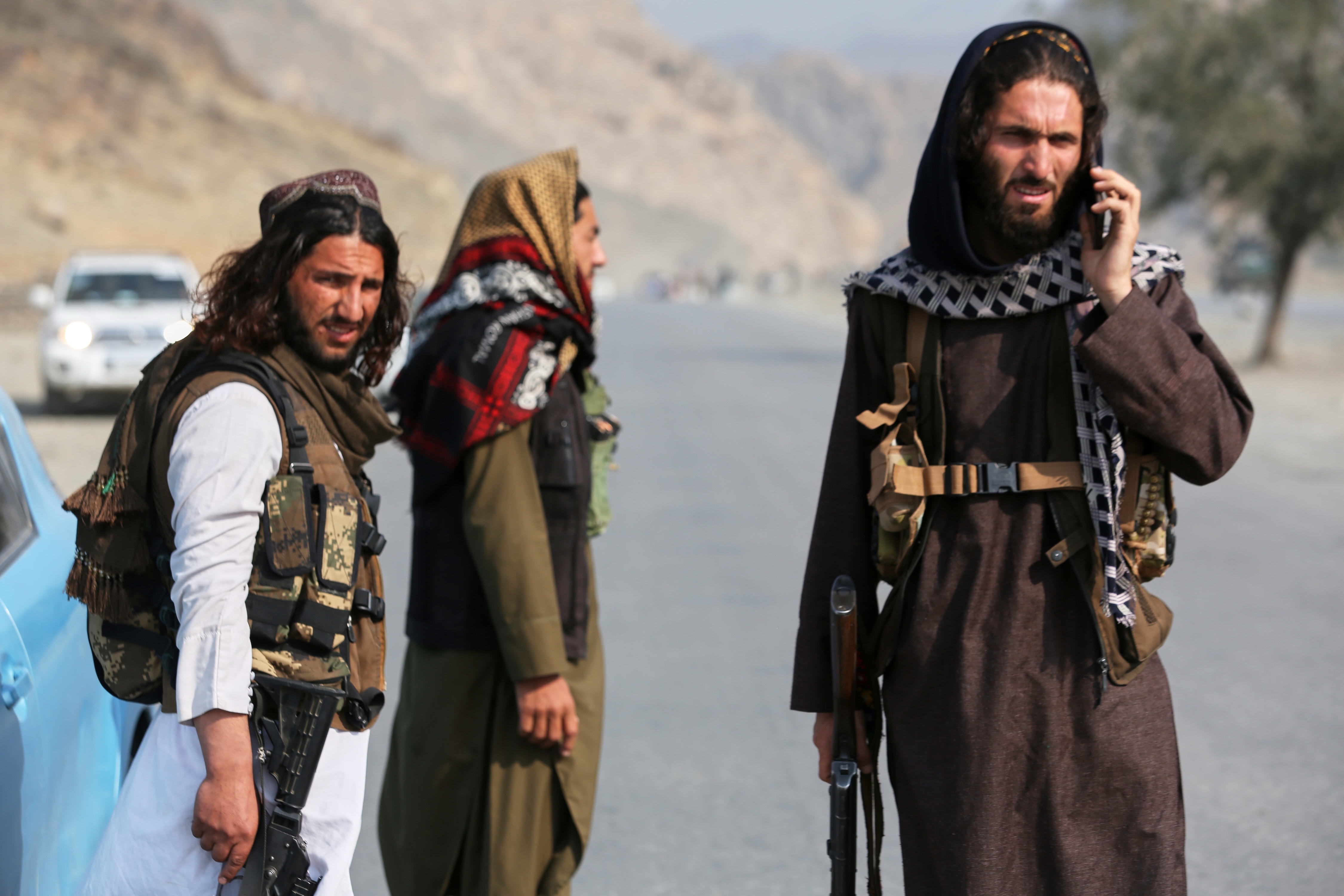
Pakistan's Defence Minister has declared that the country is in 'open war' with Afghanistan following a series of deadly cross-border strikes between the two nations. The remarks escalate a nearly five-month trend of violent clashes along the shared border, undermining a fragile ceasefire that had been brokered in October. This blatant declaration signifies a shift from previously announced peace efforts to outright hostility, marking a critical juncture in the Pakistan-Afghanistan relations.
The roots of this conflict stretch back decades, with historical grievances exacerbated by recent political instability and military operations on both sides. Afghanistan has increasingly accused Pakistan of harboring Taliban elements that instigate violence, while Islamabad cites the Afghan government's failure to control militant groups launching attacks on Pakistani territory. The ceasefire agreements have often faltered under these tensions, with both nations remaining deeply suspicious of each other's motives.
The significance of this conflict cannot be overstated. Pakistan's engagement in active warfare poses substantial risks not only for regional security but also for the broader international community, given the involvement of various militant actors and foreign powers with vested interests in Afghanistan. This escalating violence threatens to disrupt supply routes, contribute to the refugee crisis, and destabilize the already fragile South Asian geopolitical landscape as both countries mobilize their forces for potential extended hostilities.
Key actors in this scenario include the Taliban-led Afghan government, which may feel emboldened to assert its territorial claims, and Pakistan's military establishment, which seeks to maintain its influence over Afghan affairs. Both sides are motivated by deep-seated national interests—Afghanistan’s desire for sovereignty and Pakistan's objective of countering perceived insurgent threats that destabilize its border regions. These conflicting motives exacerbate the threat of prolonged conflict.
Operationally, both nations have significant military capabilities at their disposal. Pakistan possesses an estimated 1,500 operational aircraft, including fighter jets such as the JF-17 Thunder, while Afghanistan's military, largely reliant on U.S. weaponry, has limited air capabilities. Recent border skirmishes have seen artillery and small arms employed, alongside confusion regarding troop deployments. Reports suggest Pakistan has deployed additional battalions to its border areas, heightening the potential for further clashes.
The immediate consequence of this escalation could lead to retaliatory strikes, increased troop mobilization, and a new wave of violent engagements. Pakistan's declaration could encourage militant groups to intensify their activities, seeking to exploit the chaos. The likely vector for escalation includes the potential for Afghanistan to seek support from its allies, particularly Iran and Russia, while Pakistan might ramp up its cooperation with China, particularly in arms procurement and intelligence sharing.
Historically, this situation mirrors the skirmishes seen in the 1990s following the Soviet withdrawal from Afghanistan, which left a power vacuum exploited by various factions. The cyclical nature of these conflicts suggests a potential for spillover violence that could draw in neighboring countries, reminiscent of past conflicts that transformed the region into a battleground.
Moving forward, analysts should observe troop movements along the border, especially any signs of increased military engagement from both sides. Intelligence indicators to monitor include any changes in supply routes, potential calls for international mediation, and public statements from both Islamabad and Kabul that could signal further escalation or a move towards renewed diplomatic dialogue.