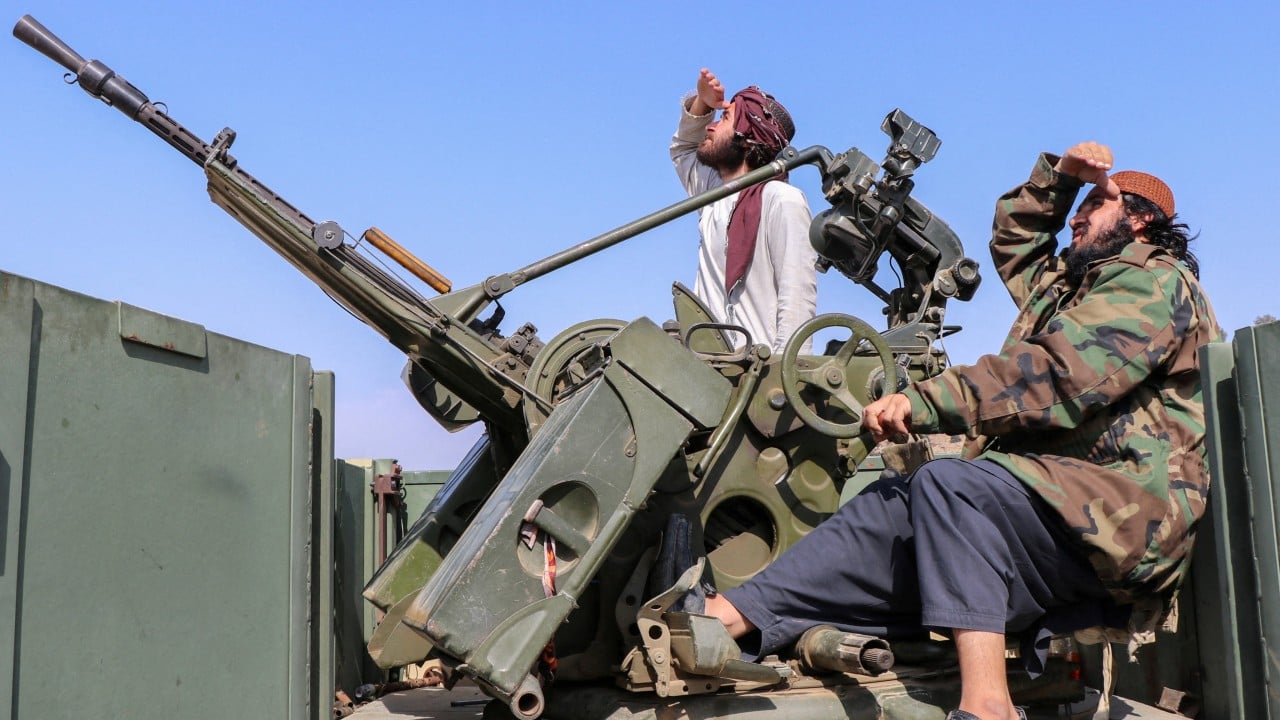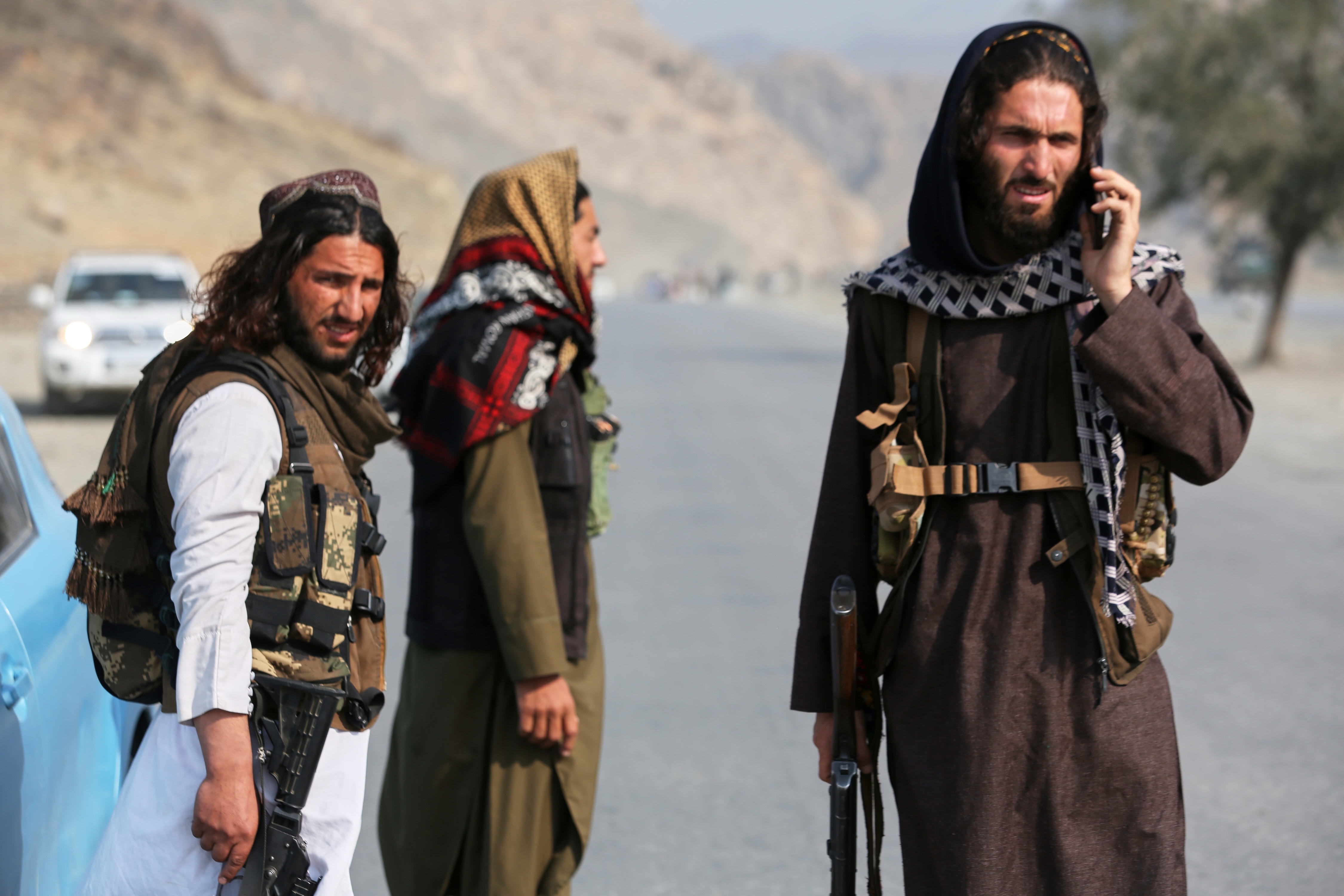

Clashes along the Pakistan-Afghanistan border have escalated dramatically, culminating in Pakistan launching targeted strikes on key Afghan cities, including Kabul. These military actions mark a significant increase in hostilities between the two nations, raising alarm bells across the region and calling into question the stability of both countries. The immediate conflict follows ongoing skirmishes that have resulted in numerous casualties on both sides, indicating a severe shift in the operational landscape.
The historical context of this conflict is rooted in longstanding territorial disputes and deep-seated distrust between Pakistan and Afghanistan. Tensions have been exacerbated by the Taliban's resurgence in Afghanistan, which has complicated border security issues. The Durand Line, the internationally unrecognized border established during British colonial rule, remains a flashpoint fueling nationalistic fervor and militant activity. Both nations have accused each other of harboring insurgent groups that exacerbate these tensions, leading to escalating military confrontations.
This surge in violence is significant as it underscores the fragile security architecture in South Asia, which is already threatened by competing geopolitical interests. The ramifications of this conflict extend beyond the immediate border region, impacting international players with vested interests in Afghanistan's stability, including India and China. Moreover, Pakistan’s actions could provoke a response from the Taliban, escalating the potential for a broader regional conflict and destabilizing already tenuous peace efforts.
Key actors in this crisis include the Pakistan military and Afghan Taliban, both of which have unique motivations driving their actions. The Pakistani military seeks to assert dominance and control over cross-border militancy, while the Afghan Taliban, emboldened by their recent gains, aims to push back against perceived Pakistani aggression. This confrontation can also be viewed through the lens of internal politics, where both parties leverage external conflict to bolster domestic support.
The operational details of the conflict indicate severe resource allocations on both sides. Reports indicate that the Pakistan Air Force mobilized fighter jets for airstrikes aligned with heavy artillery bombardments across the border. The financial implications of this military escalation could strain both nations’ defense budgets, with Pakistan estimated to spend over $5 billion annually on military capabilities focused on countering insurgent threats from Afghanistan, further complicating their economic challenges.
The most likely consequences of this escalation include a protracted military engagement that could destabilize both nations more profoundly. Potential refugee flows into Pakistan, as civilians flee the conflict zones, exacerbate existing humanitarian crises and could provoke societal tensions within Pakistan. Additionally, further Pakistani strikes could prompt retaliatory actions from the Taliban, creating a vicious cycle of violence and retaliation.
Historically, this border conflict bears similarities to the Soviet-Afghan war dynamics where cross-border insurgency and military actions persisted for over a decade. Past engagements have shown that external military interventions can destabilize regions long-term, with echoes of the failed strategies still resonating in both countries. The continuing volatility raises the specter of another drawn-out conflict that neither Pakistan nor Afghanistan can afford.
Looking ahead, key indicators to monitor include troop movements along the border, the frequency of airstrikes, and regional diplomatic engagements. Intelligence community assessments should prioritize signals from both Islamabad and Kabul indicating willingness to negotiate, as well as any shifts in Taliban strategies in response to Pakistani actions. With international powers closely observing the situation, developments over the coming weeks will be critical in determining whether this conflict escalates further into an unmanageable crisis.