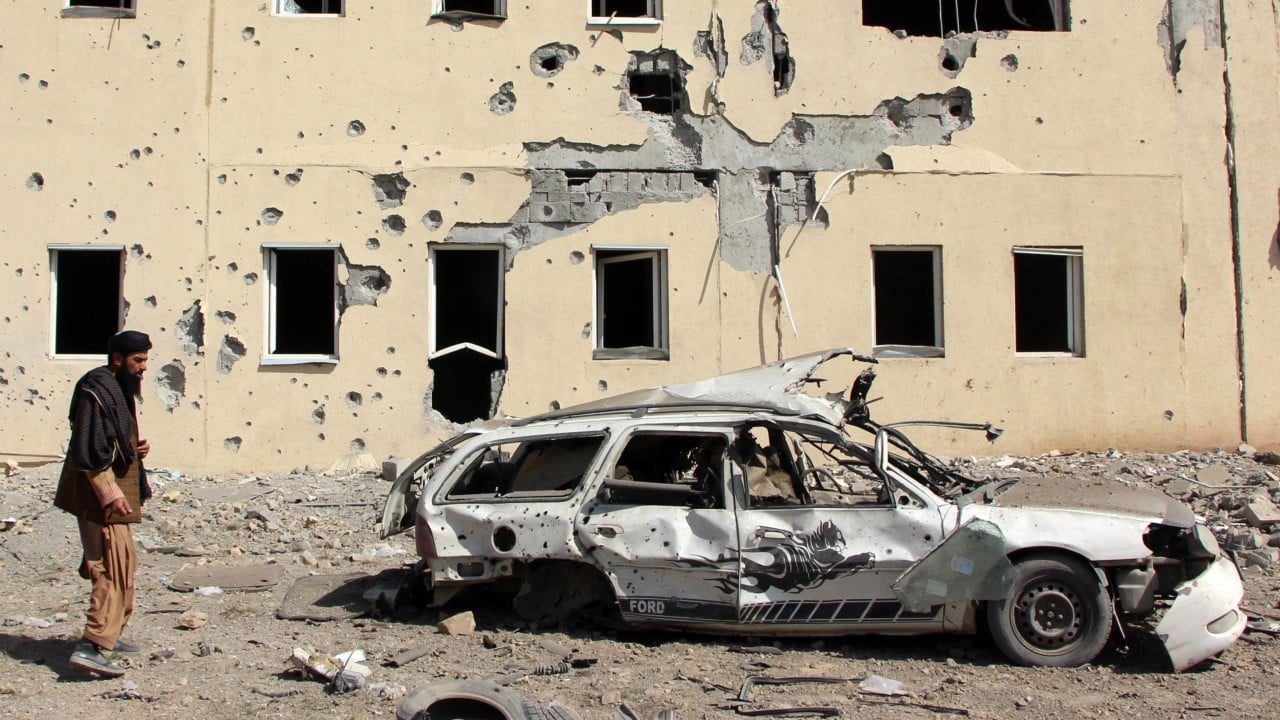
More than 8,000 Afghans have fled their homes due to intense fighting with Pakistani forces along the Afghanistan-Pakistan border, a stark reality reported by Taliban officials. The clashes erupted last Thursday when Afghan forces initiated a border offensive, reportedly in retaliation for previous airstrikes carried out by Pakistan, highlighting a rapidly deteriorating security environment in the region.
The conflict is rooted in longstanding territorial disputes that have characterized Afghan-Pakistani relations for decades. Border skirmishes have accelerated since the Taliban's resurgence, with both nations seeking to assert control over the porous and often-disputed demarcation line known as the Durand Line, established in the late 19th century but never recognized by Afghanistan.
The significance of this crisis extends beyond the immediate humanitarian concerns. It showcases vulnerabilities within the Taliban's governance as they struggle to maintain stability and solidify their control over Afghanistan following the U.S. withdrawal. Meanwhile, Pakistan is bolstering its military presence along the border, raising concerns about a potential escalation into broader conflict that could destabilize the region.
Key actors involved include the Taliban, which appears desperate to demonstrate military capability and reclaim authority against external threats, and the Pakistani military, which seeks to assert its influence over the border region amid concerns about cross-border militancy. Their actions are driven by national security imperatives rather than diplomatic engagements.
Operationally, significant fighting along the western frontier has involved small-arms engagements, artillery exchanges, and aerial assaults. Pakistan has reportedly deployed attack helicopters in air support roles for ground operations, underscoring its commitment to countering perceived threats. The Taliban, previously reliant on unconventional warfare tactics, now faces the challenge of traditional military confrontations.
Consequences of this conflict could spiral rapidly, with the potential for increased military engagement from both countries. Furthermore, the displacement crisis is likely to overwhelm humanitarian resources in Afghanistan, making the environment ripe for further instability. The situation could extend to involve other regional players, escalating tensions significantly.
Historical parallels can be drawn to previous Indo-Pakistani conflicts where territorial disputes led to large-scale displacement and loss of life. The ongoing clashes echo events from the early 2000s when miltary confrontations also aggravated civilian suffering and disrupted regional politics.
In the coming days, indicators to monitor include the movement of military resources along the border, public sentiment in both nations regarding the violence, and any signs of broader international engagement or intervention. Additionally, tracking the humanitarian response and the status of displaced populations will be critical in understanding the unfolding implications of this crisis.