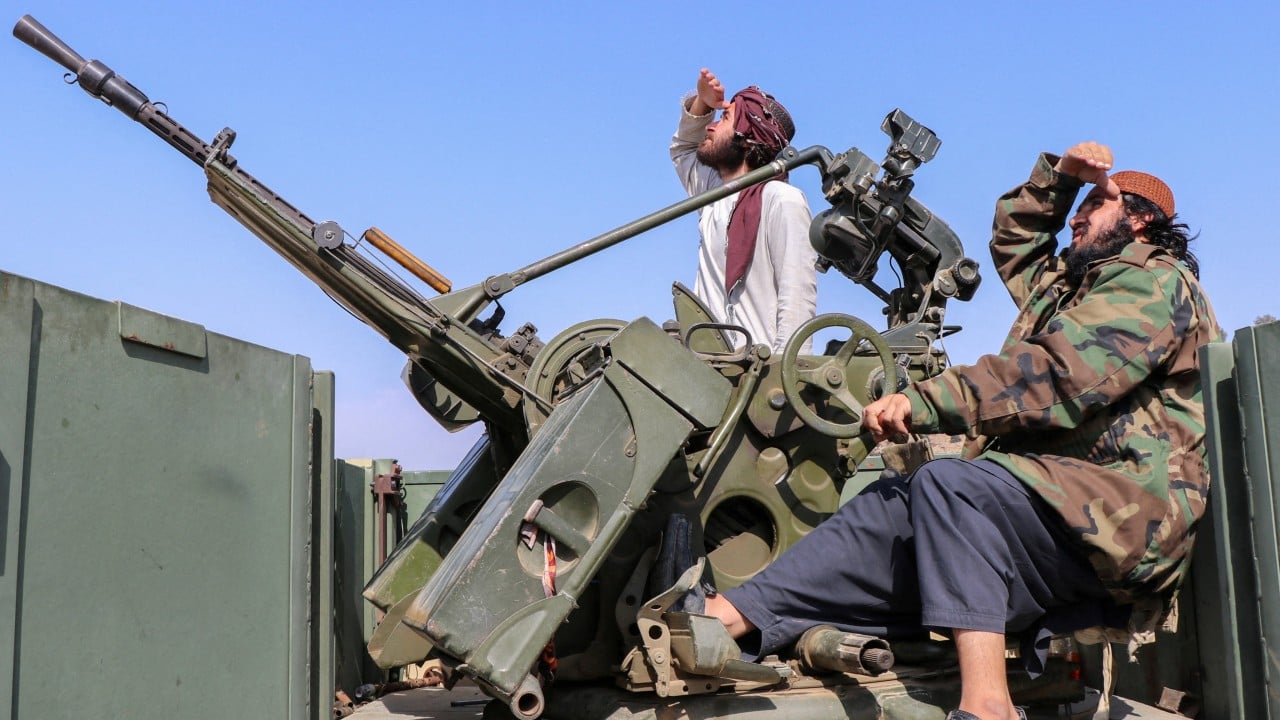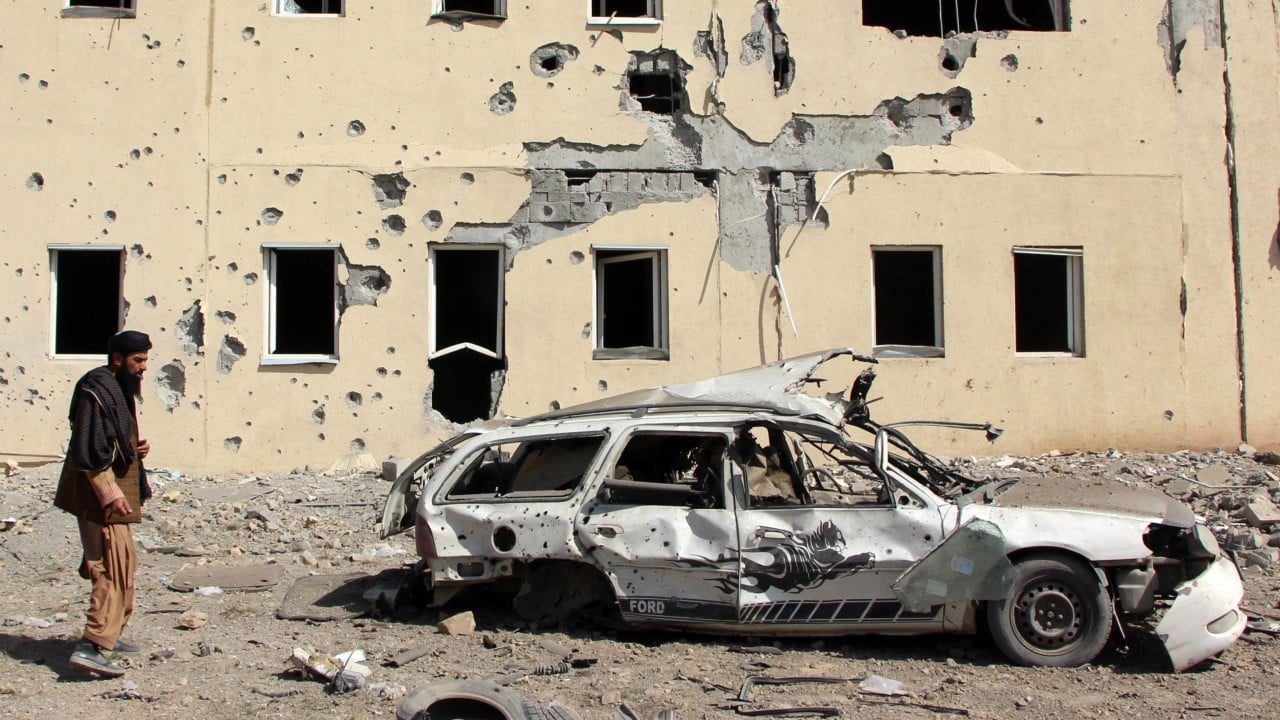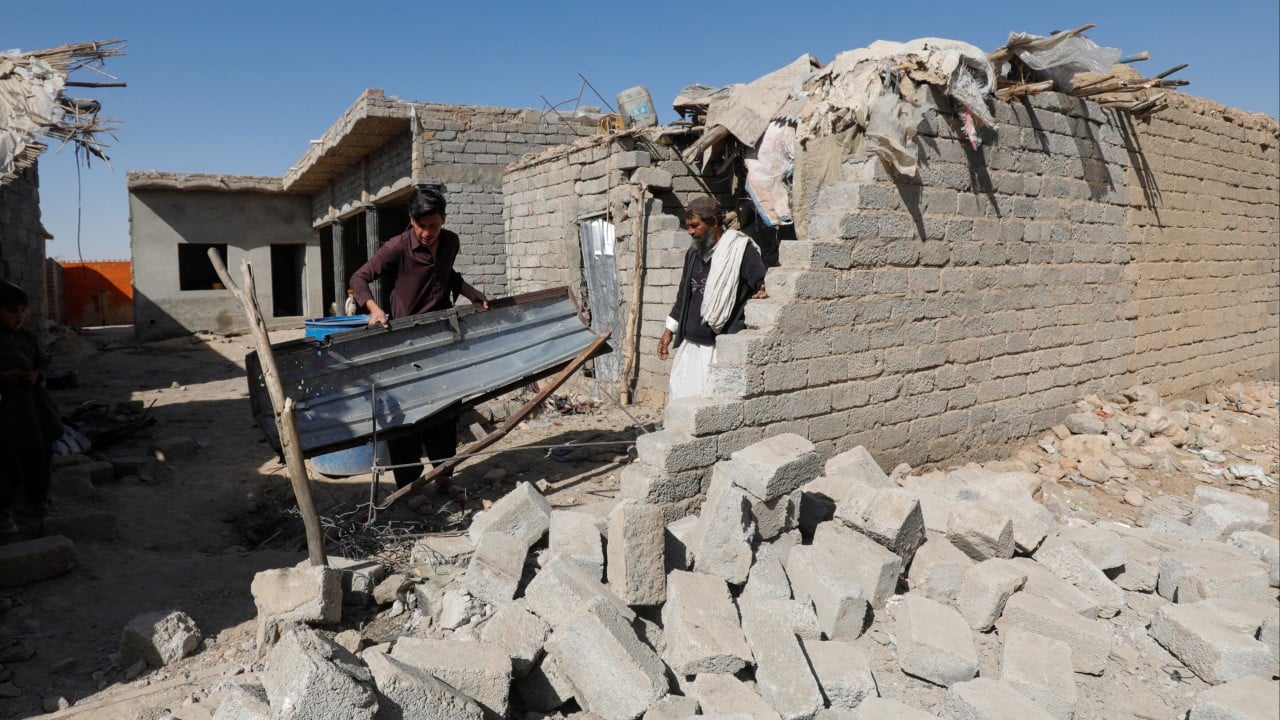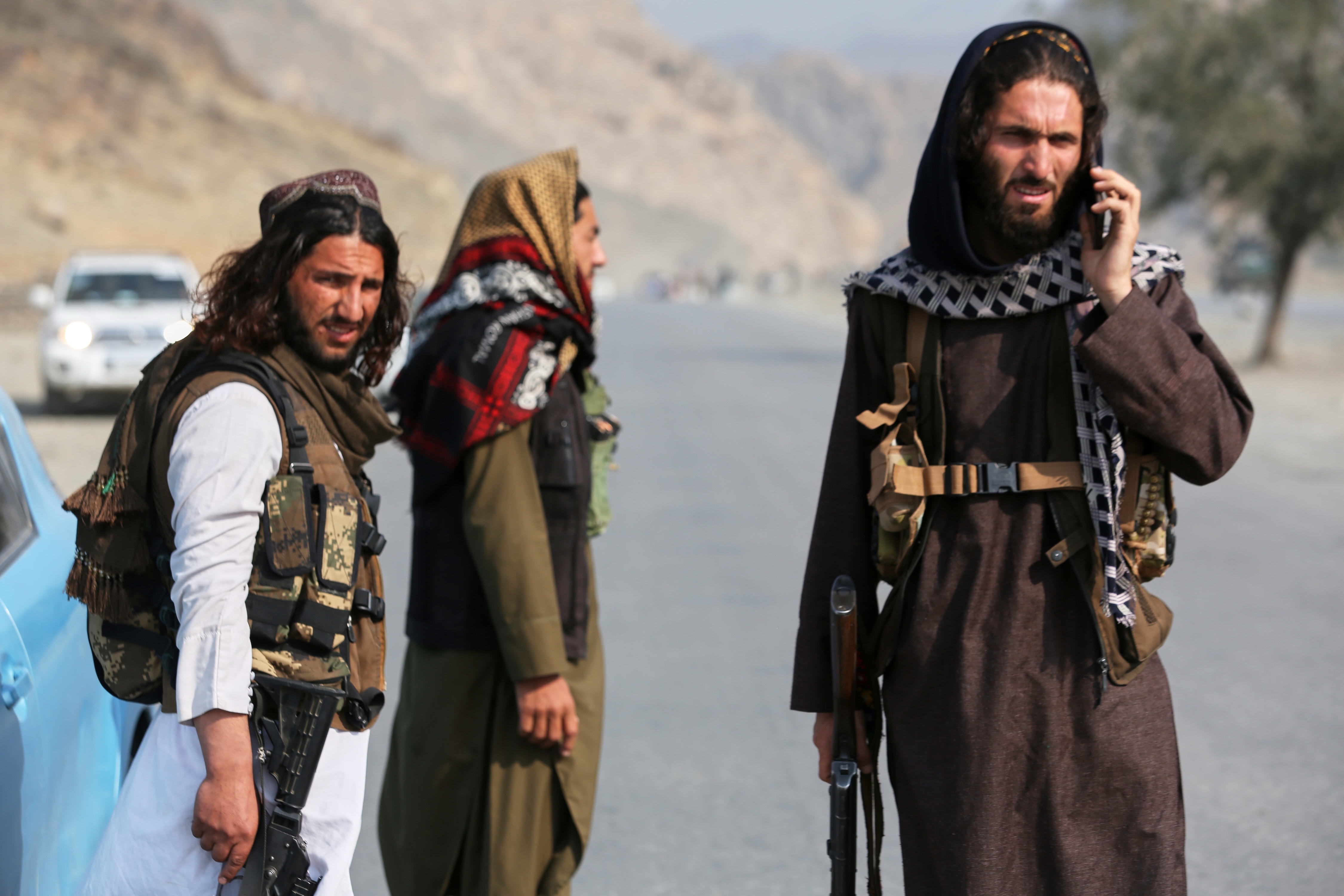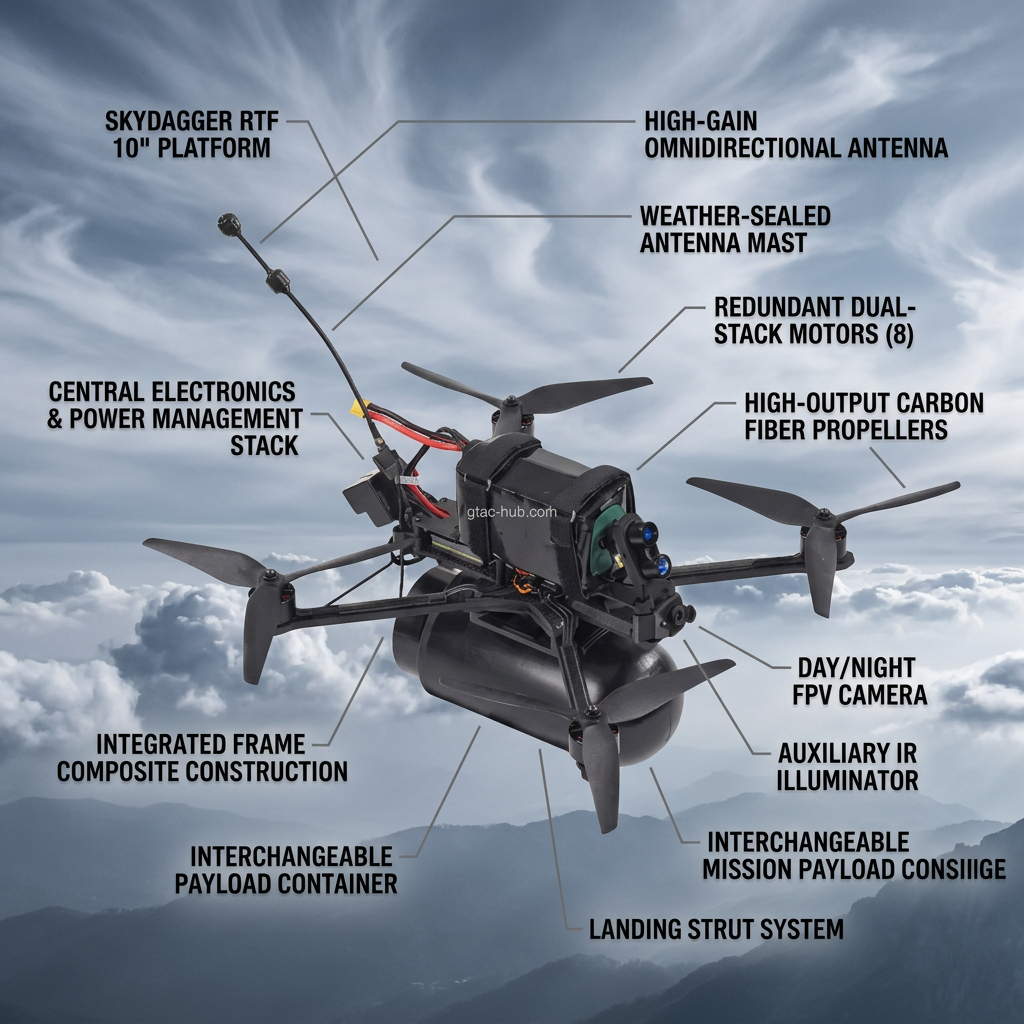
Pakistan launched airstrikes against a Taliban base in Kandahar following a significant escalation in hostilities, sparked by Taliban drone attacks targeting Pakistani territories. The strikes mark a critical turning point, indicating that long-standing tensions between the Pakistan military and the Taliban have now erupted into open conflict. These actions come as Taliban forces have increasingly targeted civilian and military sites within Pakistan, triggering an assertive military response from Islamabad.
The backdrop to this escalation lies in the historic animosity between the Taliban and Pakistan, particularly since the Taliban took control of Afghanistan in August 2021. Pakistan has been accused of having longstanding ties with the Taliban, using the group as a proxy to exert influence in Afghanistan. However, the recent aggression from the Taliban has crossed a threshold that Pakistan considered unacceptable, leading to threats from Islamabad that it would respond decisively to any transgressions. This particular crisis reveals the delicate balance of power in the region, now more precarious than ever.
This developing crisis is significant as it represents a shift in Pakistan's military calculus, indicating a possible reevaluation of its approach to the Taliban. The escalation risks destabilizing the entire region and could prompt other military powers, including India and China, to reconsider their strategic postures regarding Afghanistan and Pakistan. Furthermore, any sustained conflict between Pakistan and Taliban forces, directly affecting the security dynamics of South Asia, places millions of civilians at risk and raises the specter of a humanitarian crisis.
Key players in this conflict include the Taliban, which appears to be emboldened by its control over Afghanistan and is testing Pakistan's thresholds, and the Pakistan military, which is under pressure to respond aggressively to protect its territory and populace. Pakistan's leadership, particularly President Arif Alvi's strong rhetoric, reveals the urgency and severity with which Islamabad views the deteriorating security situation. Additionally, external powers may become involved, either overtly or covertly, as they seek to navigate the shifting allegiances resulting from these hostilities.
Operationally, the airstrikes reportedly targeted a complex of Taliban installations associated with drone offensive capabilities, with Pakistan confirming the use of advanced aerial systems to engage these threats. This incident marks a notable tactical evolution in Pakistan’s military engagement, highlighting its willingness to conduct cross-border operations to eliminate perceived threats. The potential for increased aerial conflict raises the stakes for all involved parties and draws attention to the technological arms race within the region.
The probable consequences of this escalation could lead to further military operations from both sides, which may provoke a wider conflict that destabilizes regional peace further. Islamabad may pursue additional strikes if Taliban aggression continues, while the Taliban may retaliate more forcefully to demonstrate its resolve. Intelligence estimates suggest that the situation could spiral quickly, drawing in other regional actors and exacerbating the humanitarian impact on civilian populations.
Historically, such conflicts in the region often destabilize neighboring countries, as seen during previous Taliban offensives. The 1990s civil war in Afghanistan serves as a precedent for how localized violence can escalate into broader regional instability. Pakistan’s military history of retaliating against internal threats also suggests that the current trajectory could lead to an extended conflict if diplomatic resolutions fail to materialize.
Moving forward, observers should monitor troop movements and rhetoric from both the Taliban and Pakistan. Key indicators to watch include any additional cross-border military operations initiated by Pakistan, the Taliban's use of advanced drone technology, and shifts in external support from global powers. The potential for international involvement increases the risks of miscalculations that could lead to wider conflict, making this a crucial situation to watch in the coming days and weeks.