Japan Railgun Project
Type: experimental
Domain: sea
Country of Origin: Japan
Manufacturer: Japanese Defense Industry
Overview
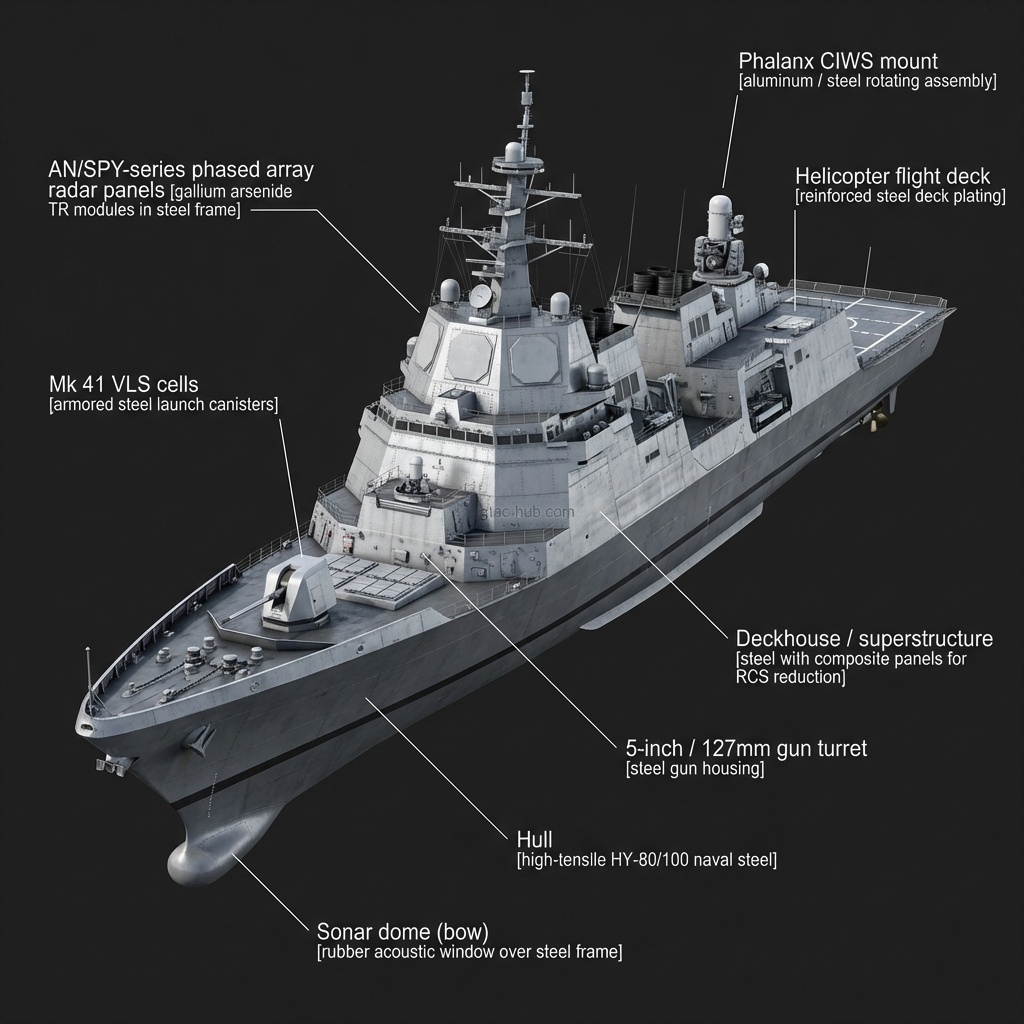
Japan's electromagnetic railgun development programme — one of the most advanced such efforts globally following the US Navy's programme suspension. The system uses electromagnetic force (Lorentz force) to accelerate projectiles to hypersonic speeds (Mach 6+) without chemical propellant, achieving ranges exceeding 200 km with kinetic energy projectiles. Japan successfully demonstrated a ship-based railgun prototype in 2023, becoming the first nation to test-fire a railgun from a naval vessel (aboard a test barge). The programme is specifically aimed at countering hypersonic threats — the extreme muzzle velocity enables interception of hypersonic missiles and glide vehicles that conventional kinetic interceptors struggle to engage. ATLA is developing the system with multiple Japanese defence contractors for eventual installation on JMSDF surface combatants. The railgun also offers dramatically lower cost-per-shot compared to interceptor missiles, providing a sustainable high-volume defence capability.
Technical Specifications
| role | Naval fire support, air defense, anti-ship |
|---|---|
| type | Ship-Mounted Electromagnetic Railgun |
| stage | Prototype / Sea testing |
Operators
- Japan (JMSDF — testing)
Related sea Weapon Systems
- INS Arihant (SSBN) - submarine (India)
- Lurssen CPV - patrol_vessel (Germany)
- Type 075 LHD - amphibious (China)
- HTMS Chakri Naruebet - Light Aircraft Carrier (Spain)
- Type 056A Jiangdao - corvette (China)
- Shaldag Mk V Fast Patrol Boat - Fast Patrol Craft (Israel)
- NSM - Anti-Ship Missile (Norway)
- Maya Class Destroyer (DDG) - destroyer (Japan)
- Type 45 Daring-class - Destroyer (United Kingdom)
- Preveze/Gür Class Submarine - Submarine (Germany)