Sri Lanka Denies US Warplane Base Ahead of Iran Conflict
ЗАПУСК ПРОДУКТА

Sri Lanka Denies US Warplane Base Ahead of Iran Conflict

Северная Америка
КРАТКОЕ РЕЗЮМЕ

Sri Lanka declined U.S. requests to host armed warplanes prior to the Iran conflict, aiming to maintain neutrality and avoid regional entanglement. This decision highlights Colombo's strategic intent to steer clear of geopolitical conflicts in the Indian Ocean.

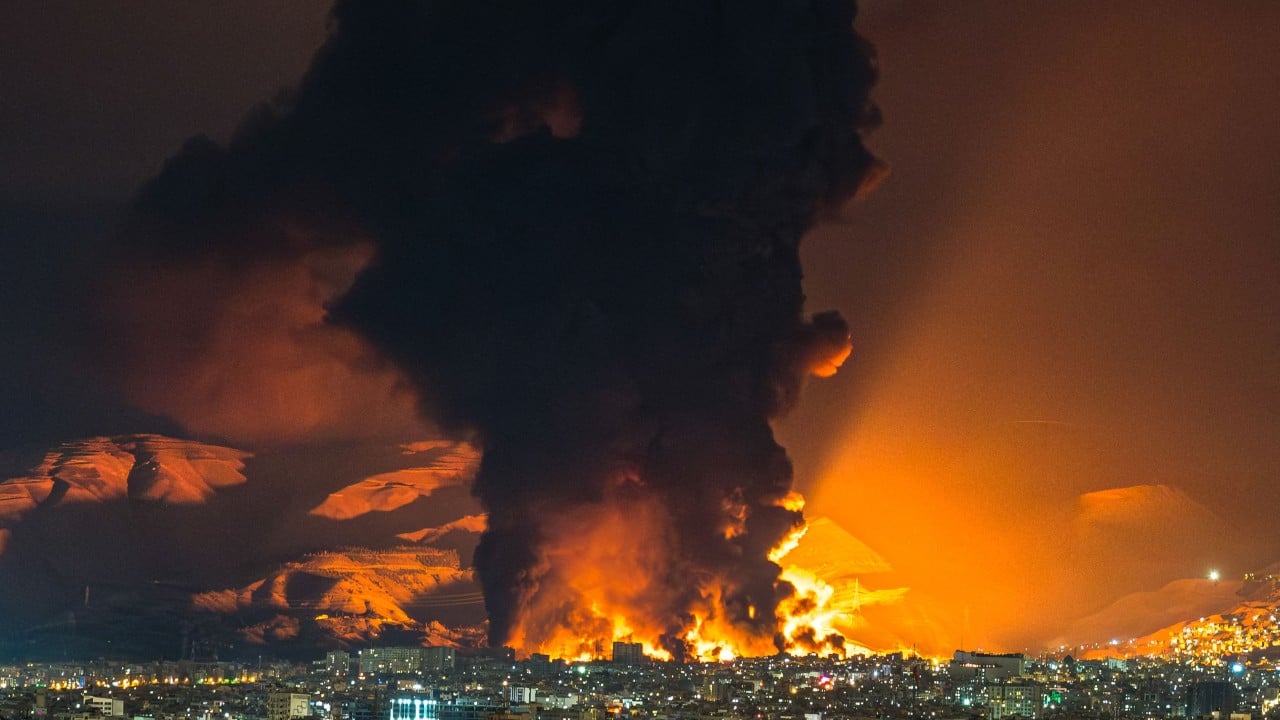
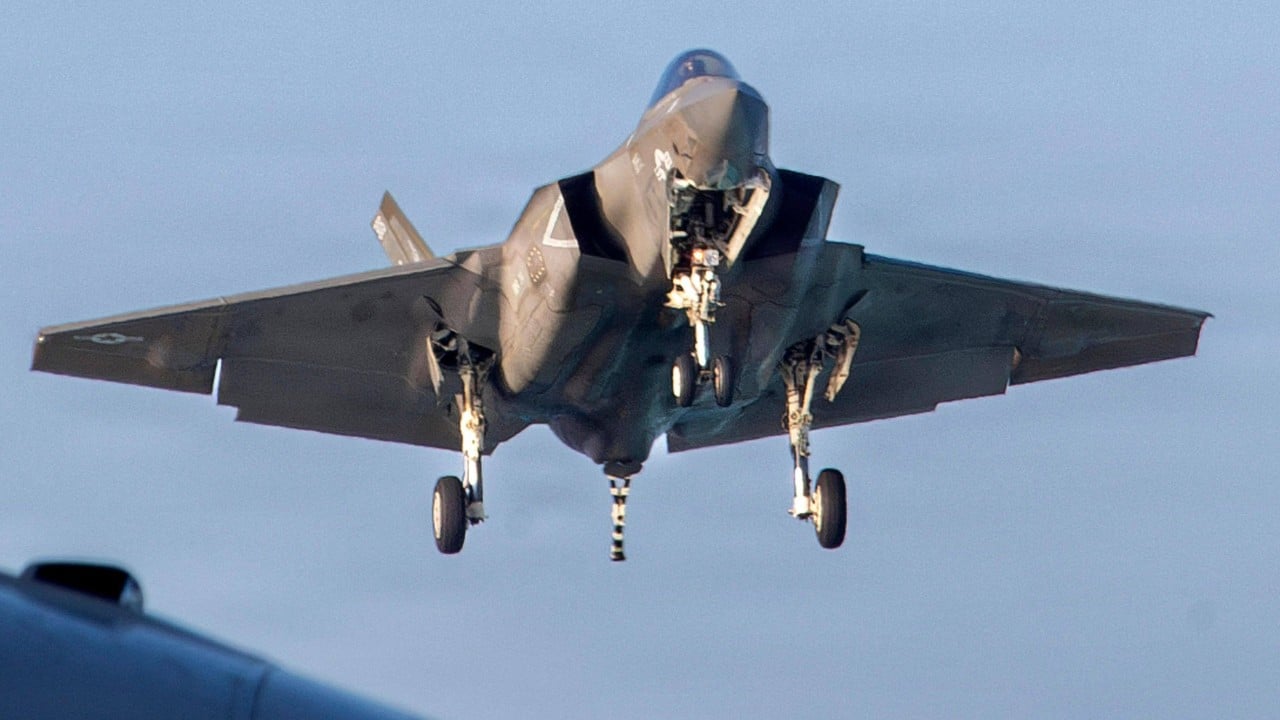
In late February, just days before the outbreak of hostilities between the United States, Israel, and Iran, Washington formally requested Sri Lanka to permit two armed U.S. warplanes to operate from an airport on Sri Lanka’s southern coast. Sri Lankan President Anura Kumara Dissanayake publicly disclosed the refusal, underscoring the island nation's reluctance to become involved in external military confrontations that offer no direct benefits.

The request involved relocating two aircraft from a U.S. base closer to the Middle East to Sri Lanka's strategic southern airfield. Technically, this would have enhanced U.S. operational reach in the Indian Ocean and potentially facilitated rapid response in the region. However, Sri Lanka's decision prioritizes sovereignty and regional stability over aligning with external powers amid escalating tensions.

This move carries significant strategic implications. Sri Lanka’s denial signals its desire to maintain a neutral posture amidst intensifying US-Iran tensions, which could otherwise drag the country into broader geopolitical rivalries. Situated along critical maritime routes in the Indian Ocean, Sri Lanka’s stance influences strategic calculations for major powers seeking regional access.

The announcement reflects Colombo's cautious foreign policy approach and serves as a reminder of the delicate balance smaller states must navigate when situated near conflict zones. U.S. military planners will likely reassess their regional basing strategies in response, given the potential diplomatic backlash inherent in expanding military footprint in sensitive geopolitics.

Commercially, Sri Lanka’s decision could prompt trade repercussions from the U.S. or its allies, but it also assures regional partners of Colombo’s commitment to peaceful engagement and non-alignment. The refusal underscores the complex interplay between defense logistics and diplomacy in contemporary conflict environments.

ИСТОЧНИКИ РАЗВЕДКИ
South China Morning Postwww.scmp.com
BBC Newswww.bbc.com
ПОДТВЕРЖДЕНО 2 ИСТОЧНИКАМИ
СВЯЗАННЫЕ РАЗВЕДДАННЫЕ
Iran Conflict May Strengthen China’s Petroyuan, Challenge US Dollar
СЕВЕРНАЯ АМЕРИКА
ИССЛЕДОВАНИЕ

Iran Conflict May Strengthen China’s Petroyuan, Challenge US Dollar

Ongoing conflict involving Iran could undermine the US dollar’s dominance in Middle Eastern oil markets, potentially accelerating adoption of China’s petroyuan. Deutsche Bank analysts highlight risks to Gulf economies, which might shift assets from US dollars to yuan-backed instruments.

17Д НАЗАДЧИТАТЬ
Iran Conflict: Implications for Asia’s Economic Resilience
СЕВЕРНАЯ АМЕРИКА
ОБОРОННАЯ ВЫСТАВКА

Iran Conflict: Implications for Asia’s Economic Resilience

Following renewed tensions in Iran, Asia’s economic sensitivity to global geopolitical shocks remains pronounced. The retreat from aggressive US trade policies under former President Trump has not substantially enhanced Asia’s external economic stability.

17Д НАЗАДЧИТАТЬ
China's Factories Cut Output Amid Iran Tensions and Rising Costs
СЕВЕРНАЯ АМЕРИКА
ОБОРОННАЯ ВЫСТАВКА

China's Factories Cut Output Amid Iran Tensions and Rising Costs

Disruptions in the Strait of Hormuz linked to Iran have led to increased energy, raw material, and freight costs, compelling Chinese consumer goods manufacturers to reduce production. Key sectors, such as bicycle manufacturing, are suspending exports to affected regions due to soaring aluminum prices.

18Д НАЗАДЧИТАТЬ
DJI Launches First 360-Degree Drone Amid Patent Conflict
ВОСТОЧНАЯ АЗИЯ
НОВЫЕ ТЕХНОЛОГИИ

DJI Launches First 360-Degree Drone Amid Patent Conflict

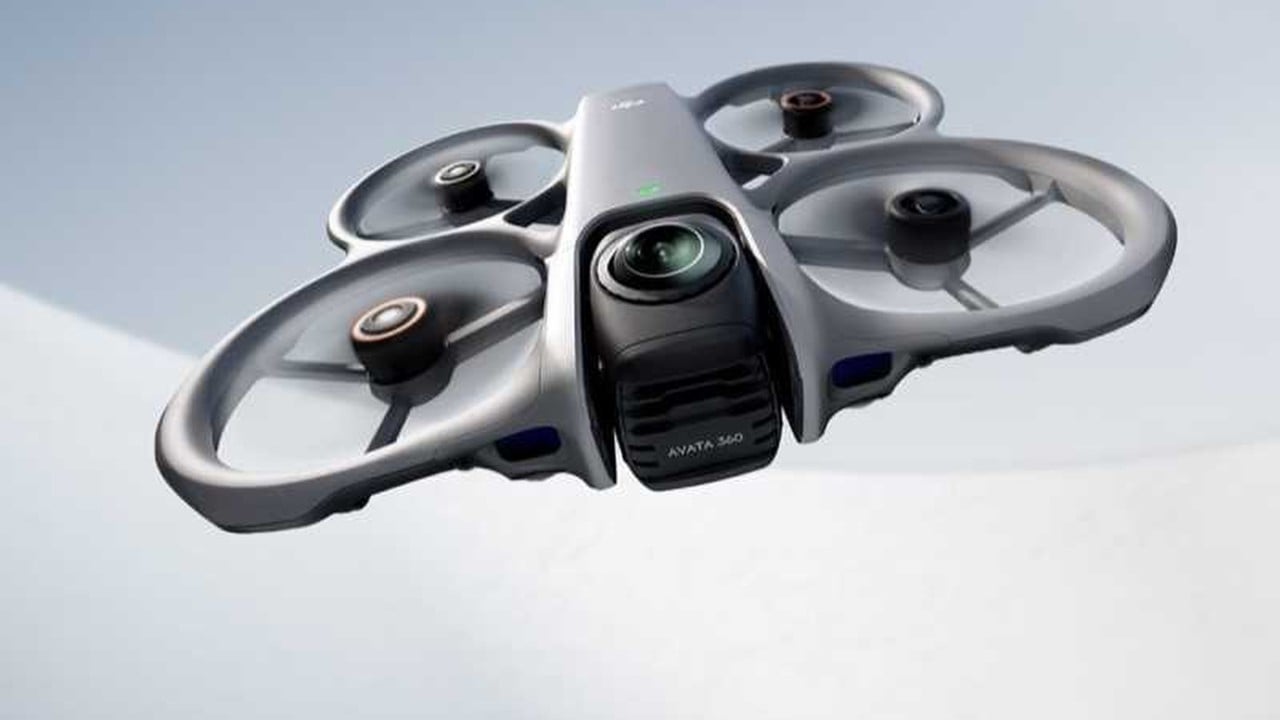
Chinese manufacturer DJI has introduced the Avata 360, its first drone equipped with an omnidirectional 360-degree camera. Featuring 8K HDR video capture at 60 fps, this model positions DJI competitively against Insta360 amidst ongoing patent disputes.

17Д НАЗАДЧИТАТЬ