Iran Conflict: Implications for Asia’s Economic Resilience
ОБОРОННАЯ ВЫСТАВКА

Iran Conflict: Implications for Asia’s Economic Resilience

Северная Америка
КРАТКОЕ РЕЗЮМЕ

Following renewed tensions in Iran, Asia’s economic sensitivity to global geopolitical shocks remains pronounced. The retreat from aggressive US trade policies under former President Trump has not substantially enhanced Asia’s external economic stability.

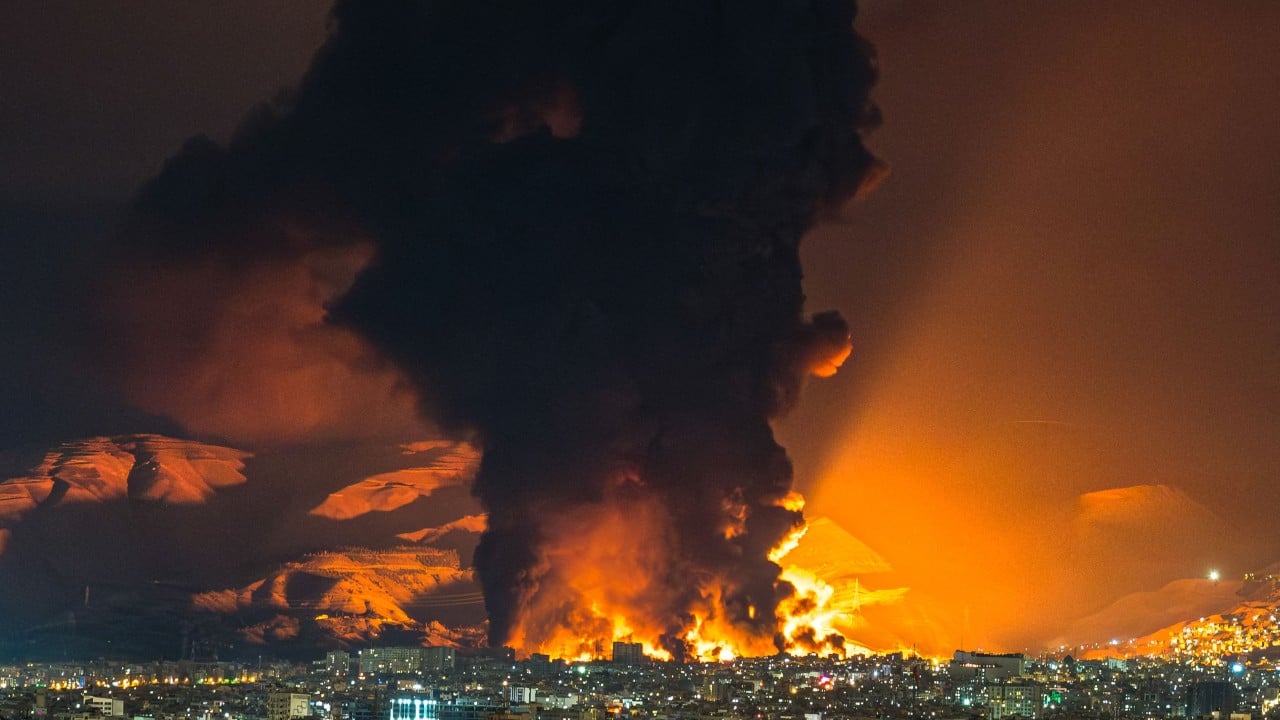
The ongoing conflict involving Iran has once again highlighted the fragile nature of Asia’s economic landscape amid global geopolitical disruptions. Despite a partial rollback of the confrontational trade measures initiated by former US President Donald Trump, leading Asian economies continue to face significant vulnerabilities stemming from their external dependencies. Key economies in the region heavily rely on exports, especially towards the United States and global supply chains, which remain sensitive to international instability.

Analyzing trade data reveals that many Asian countries record substantial trade surpluses with the US, but this dependence also exposes them to risks if geopolitical tensions escalate. Morgan Stanley and other financial analysts have noted that even with the easing of US trade aggression, uncertainties persist due to the structural nature of these dependencies and the complex interplay of supply chain linkages.

The strategic significance of these vulnerabilities cannot be understated, as Asia drives much of global manufacturing and exports. Disruptions linked to conflicts such as those involving Iran potentially threaten the stability of vital supply routes and energy supplies affecting production and trade flows.

Manufacturers and policymakers in Asia are thus motivated to diversify trade partnerships and reinforce resilience against external shocks. This evolving scenario encourages greater regional cooperation and investment in supply chain robustness to mitigate risks associated with geopolitical conflicts.

In conclusion, while the US’s de-escalation of trade conflict strategies may marginally ease immediate pressures, Asia’s economies remain exposed to the broader ramifications of geopolitical turmoil, particularly related to Middle Eastern conflicts. Addressing these challenges requires comprehensive strategic planning and international collaboration.

ИСТОЧНИКИ РАЗВЕДКИ
South China Morning Postwww.scmp.com
Al Jazeerawww.aljazeera.com
ПОДТВЕРЖДЕНО 2 ИСТОЧНИКАМИ
СВЯЗАННЫЕ РАЗВЕДДАННЫЕ
Iran Conflict May Strengthen China’s Petroyuan, Challenge US Dollar
СЕВЕРНАЯ АМЕРИКА
ИССЛЕДОВАНИЕ

Iran Conflict May Strengthen China’s Petroyuan, Challenge US Dollar

Ongoing conflict involving Iran could undermine the US dollar’s dominance in Middle Eastern oil markets, potentially accelerating adoption of China’s petroyuan. Deutsche Bank analysts highlight risks to Gulf economies, which might shift assets from US dollars to yuan-backed instruments.

17Д НАЗАДЧИТАТЬ
Sri Lanka Denies US Warplane Base Ahead of Iran Conflict
СЕВЕРНАЯ АМЕРИКА
ЗАПУСК ПРОДУКТА

Sri Lanka Denies US Warplane Base Ahead of Iran Conflict

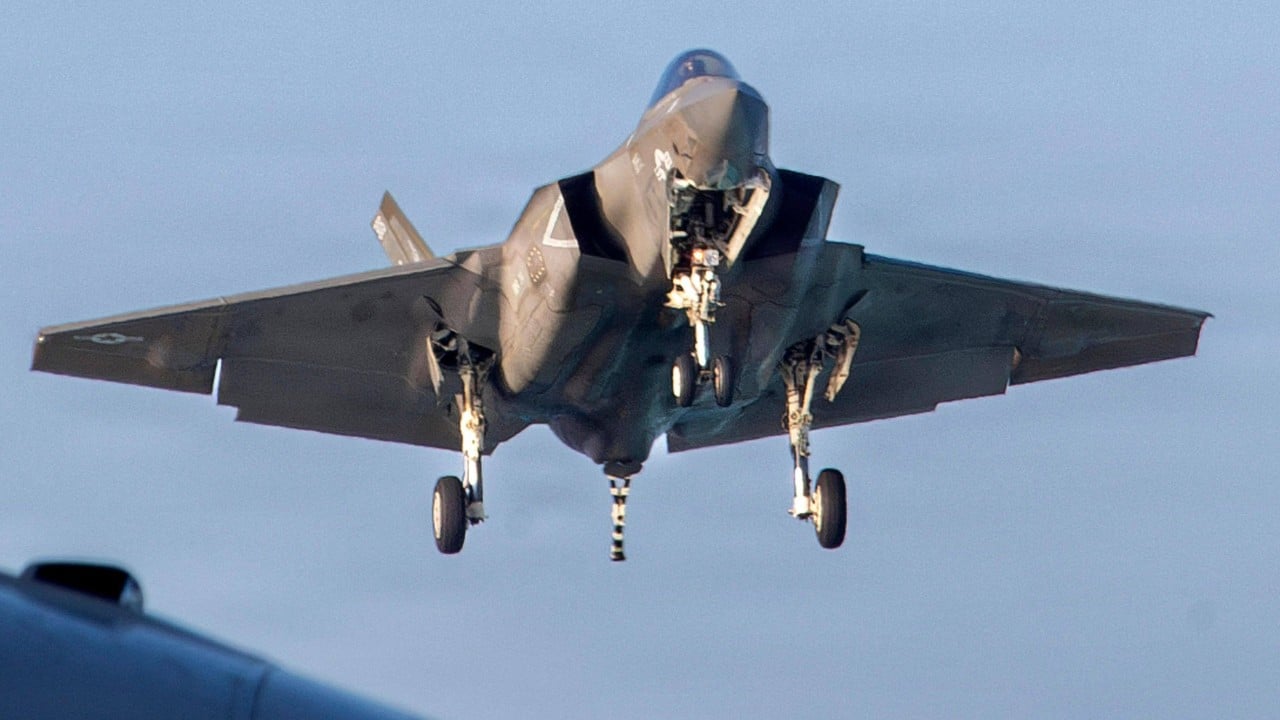
Sri Lanka declined U.S. requests to host armed warplanes prior to the Iran conflict, aiming to maintain neutrality and avoid regional entanglement. This decision highlights Colombo's strategic intent to steer clear of geopolitical conflicts in the Indian Ocean.

18Д НАЗАДЧИТАТЬ
China's Factories Cut Output Amid Iran Tensions and Rising Costs
СЕВЕРНАЯ АМЕРИКА
ОБОРОННАЯ ВЫСТАВКА

China's Factories Cut Output Amid Iran Tensions and Rising Costs

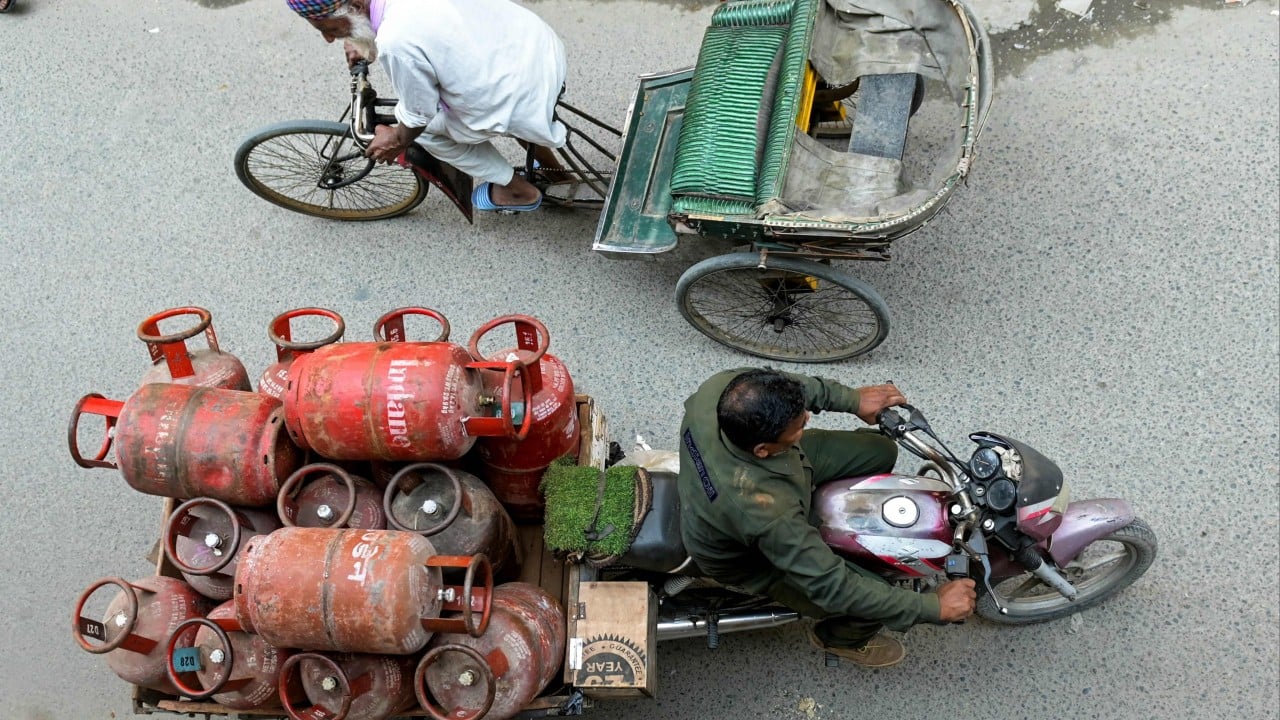
Disruptions in the Strait of Hormuz linked to Iran have led to increased energy, raw material, and freight costs, compelling Chinese consumer goods manufacturers to reduce production. Key sectors, such as bicycle manufacturing, are suspending exports to affected regions due to soaring aluminum prices.

18Д НАЗАДЧИТАТЬ
DJI Launches First 360-Degree Drone Amid Patent Conflict
ВОСТОЧНАЯ АЗИЯ
НОВЫЕ ТЕХНОЛОГИИ

DJI Launches First 360-Degree Drone Amid Patent Conflict

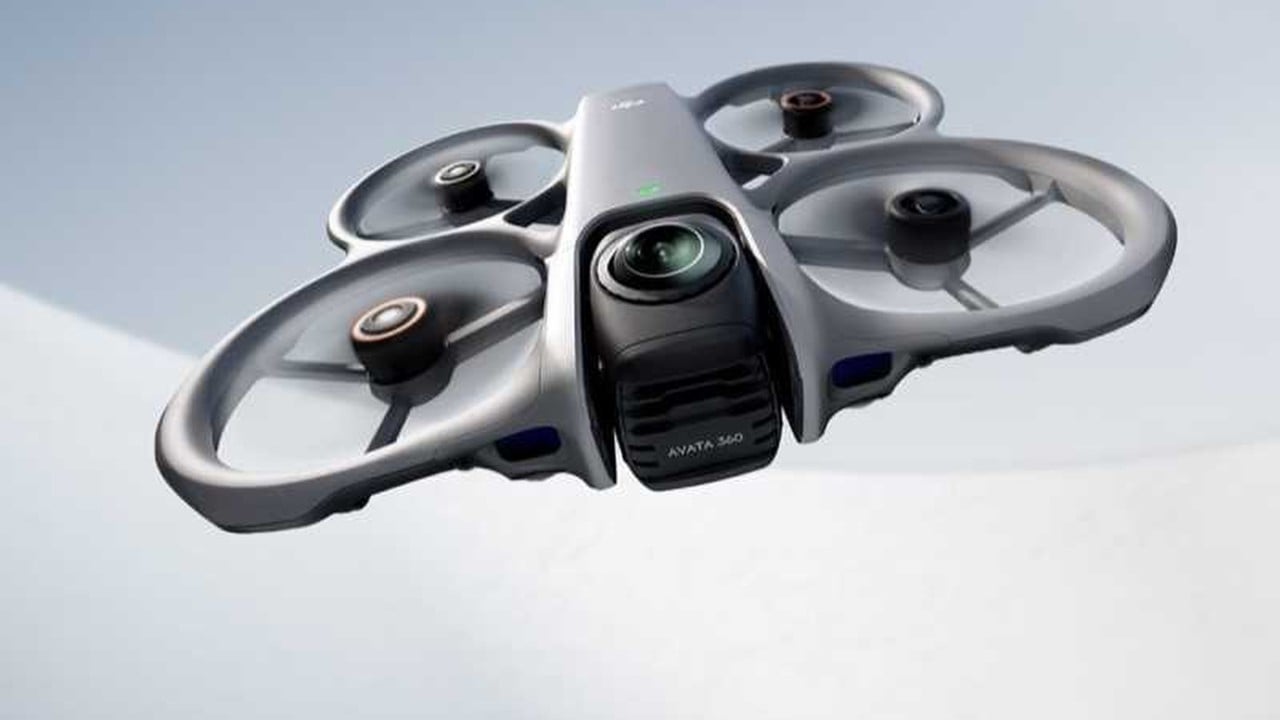
Chinese manufacturer DJI has introduced the Avata 360, its first drone equipped with an omnidirectional 360-degree camera. Featuring 8K HDR video capture at 60 fps, this model positions DJI competitively against Insta360 amidst ongoing patent disputes.

17Д НАЗАДЧИТАТЬ