Iran Conflict May Strengthen China’s Petroyuan, Challenge US Dollar
ИССЛЕДОВАНИЕ

Iran Conflict May Strengthen China’s Petroyuan, Challenge US Dollar

Северная Америка
КРАТКОЕ РЕЗЮМЕ

Ongoing conflict involving Iran could undermine the US dollar’s dominance in Middle Eastern oil markets, potentially accelerating adoption of China’s petroyuan. Deutsche Bank analysts highlight risks to Gulf economies, which might shift assets from US dollars to yuan-backed instruments.

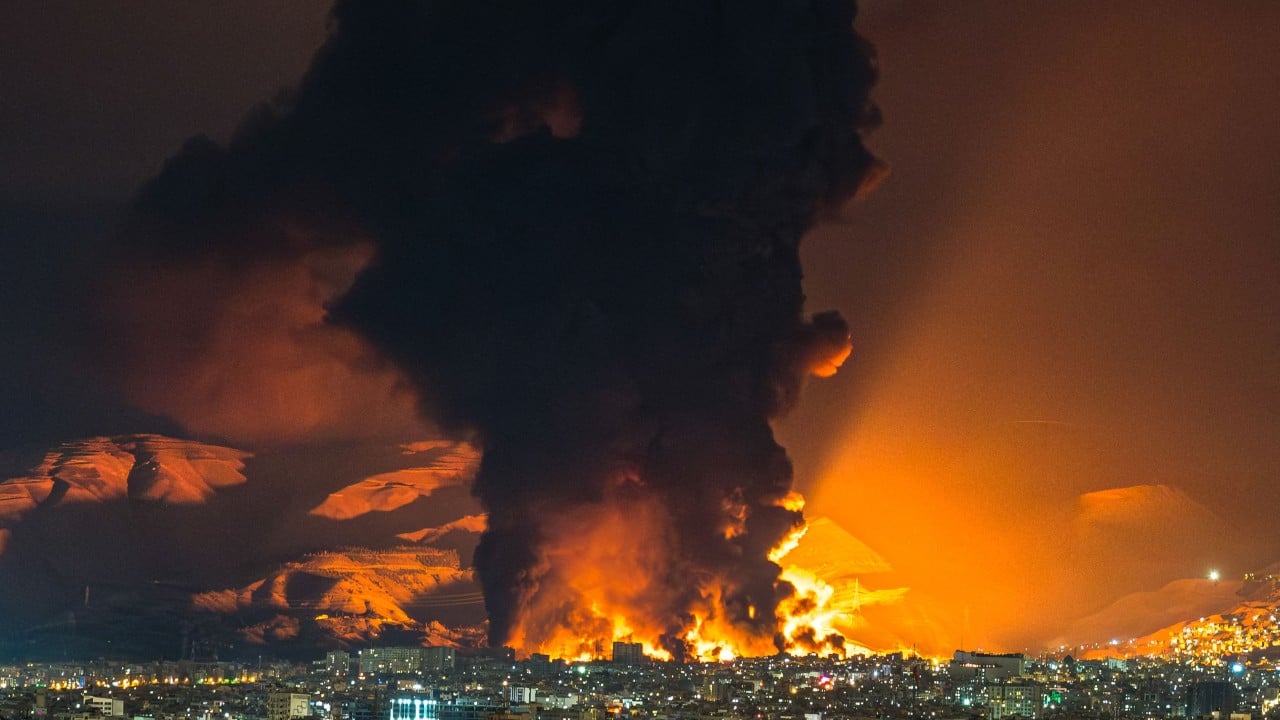
Analysts at Deutsche Bank recently published a research note assessing the geopolitical impact of the nearly month-long confrontation involving Iran and its ripple effects on global currency dynamics. They argue that the United States and Israel’s hostilities against Iran could critically erode the longstanding primacy of the US dollar in Middle Eastern oil trade.

Historically, the US dollar has maintained dominant status in global oil markets, especially in the Gulf region due to longstanding petrodollar agreements that secure energy and financial stability. However, the conflict has strained Gulf economies, heightening risks to the current petrodollar regime’s foundations. Deutsche Bank experts predict that these strains could prompt Gulf states to reduce their dollar-denominated foreign asset holdings, potentially increasing exposure to China’s yuan-backed trade alternatives, collectively termed as the “petroyuan”.

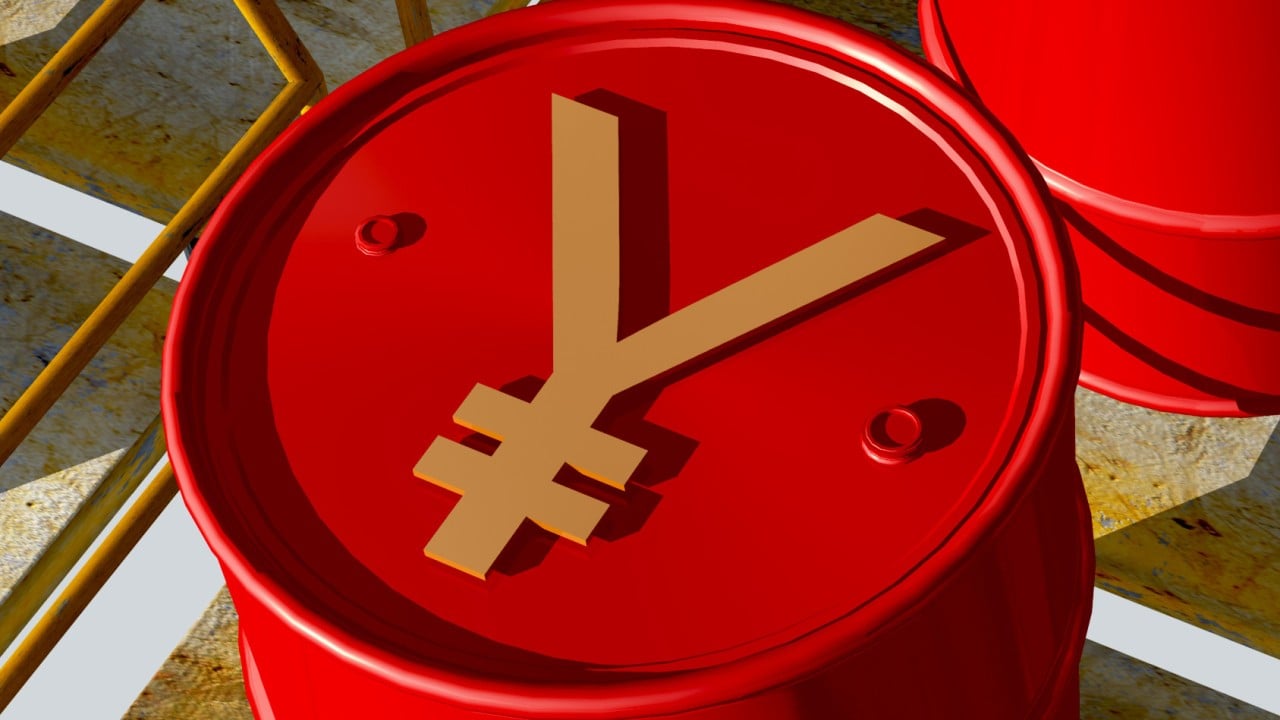
China’s petroyuan initiative is designed to internationalize its currency by facilitating oil sales and other energy transactions denominated in yuan, challenging dollar hegemony. The combination of geopolitical instability and economic pressures on Gulf states creates strategic openings for Beijing to advance its currency influence in energy markets.

This dynamic shift has significant implications for global financial markets and the strategic balance in energy finance. It also underlines the increasing intertwining of military conflicts and currency strategies by major powers on the global stage.

The analysts’ evaluation suggests that the protracted Iran crisis is not only a regional security challenge but also a potential catalyst for structural changes in international currency usage, thereby directly affecting US economic and strategic interests in the Middle East.
ИСТОЧНИКИ РАЗВЕДКИ
South China Morning Postwww.scmp.com
Breaking Defensebreakingdefense.com
ПОДТВЕРЖДЕНО 2 ИСТОЧНИКАМИ
СВЯЗАННЫЕ РАЗВЕДДАННЫЕ
Sri Lanka Denies US Warplane Base Ahead of Iran Conflict
СЕВЕРНАЯ АМЕРИКА
ЗАПУСК ПРОДУКТА

Sri Lanka Denies US Warplane Base Ahead of Iran Conflict

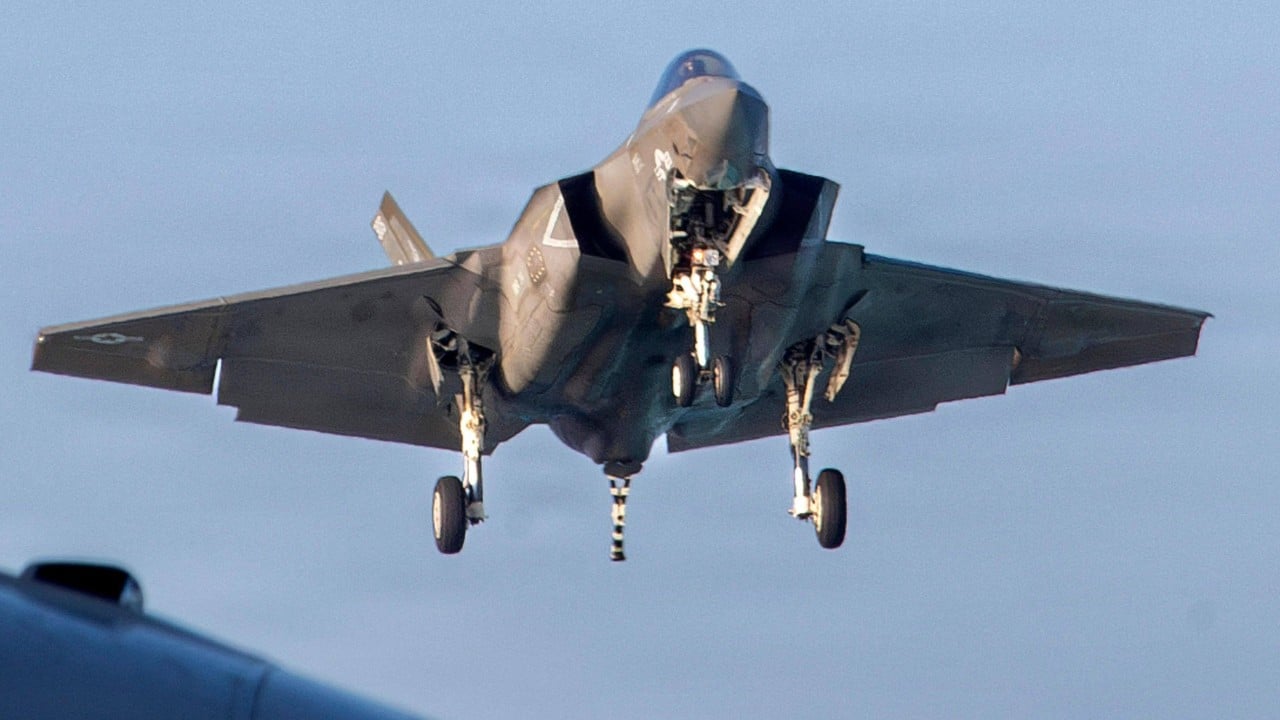
Sri Lanka declined U.S. requests to host armed warplanes prior to the Iran conflict, aiming to maintain neutrality and avoid regional entanglement. This decision highlights Colombo's strategic intent to steer clear of geopolitical conflicts in the Indian Ocean.

18Д НАЗАДЧИТАТЬ
Iran Conflict: Implications for Asia’s Economic Resilience
СЕВЕРНАЯ АМЕРИКА
ОБОРОННАЯ ВЫСТАВКА

Iran Conflict: Implications for Asia’s Economic Resilience

Following renewed tensions in Iran, Asia’s economic sensitivity to global geopolitical shocks remains pronounced. The retreat from aggressive US trade policies under former President Trump has not substantially enhanced Asia’s external economic stability.

17Д НАЗАДЧИТАТЬ
China's Factories Cut Output Amid Iran Tensions and Rising Costs
СЕВЕРНАЯ АМЕРИКА
ОБОРОННАЯ ВЫСТАВКА

China's Factories Cut Output Amid Iran Tensions and Rising Costs

Disruptions in the Strait of Hormuz linked to Iran have led to increased energy, raw material, and freight costs, compelling Chinese consumer goods manufacturers to reduce production. Key sectors, such as bicycle manufacturing, are suspending exports to affected regions due to soaring aluminum prices.

18Д НАЗАДЧИТАТЬ
UK Blocks China’s Wind Turbine Plant Citing National Security
ВОСТОЧНАЯ АЗИЯ
ОБОРОННАЯ ВЫСТАВКА

UK Blocks China’s Wind Turbine Plant Citing National Security

The UK government has halted a £1.5 billion investment by Chinese firm Mingyang to build its largest wind turbine factory in Scotland, citing national security concerns. This decision underscores increasing geopolitical tensions impacting clean energy collaborations between the UK and China.

17Д НАЗАДЧИТАТЬ