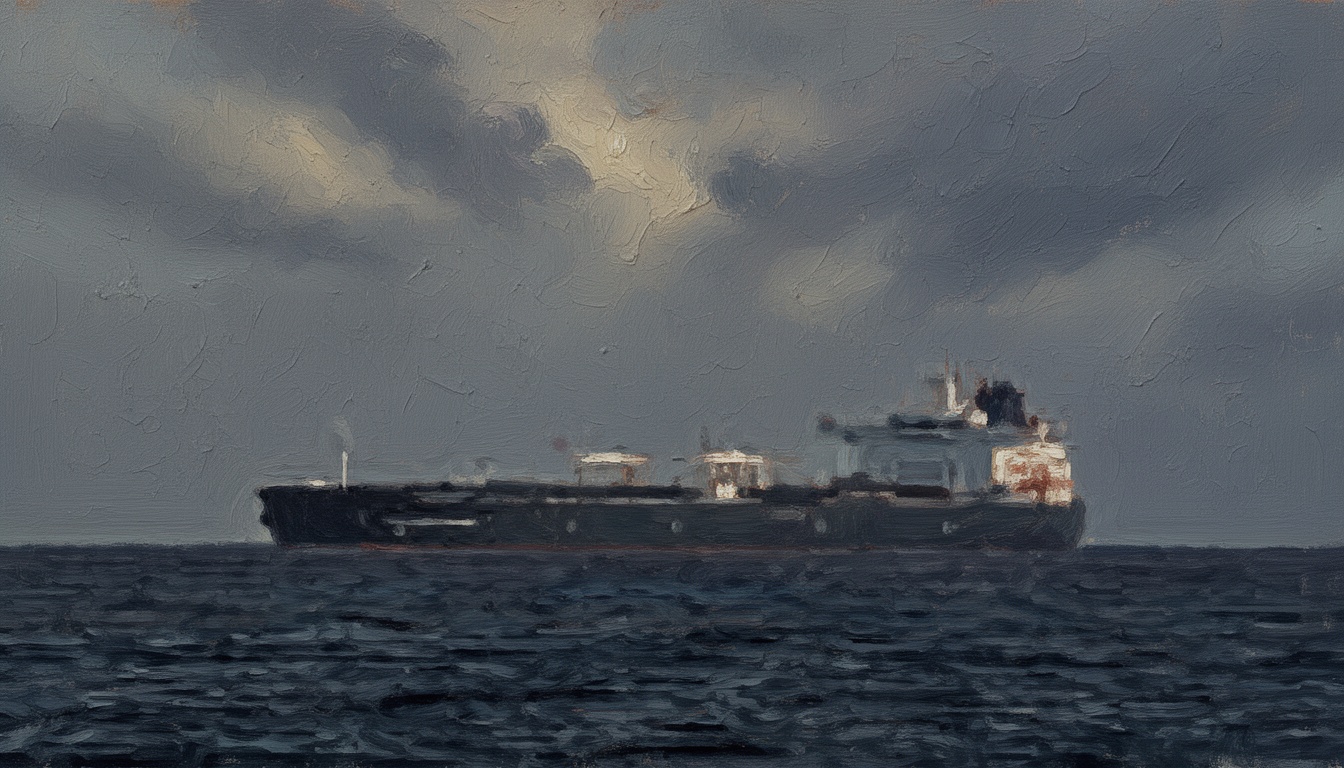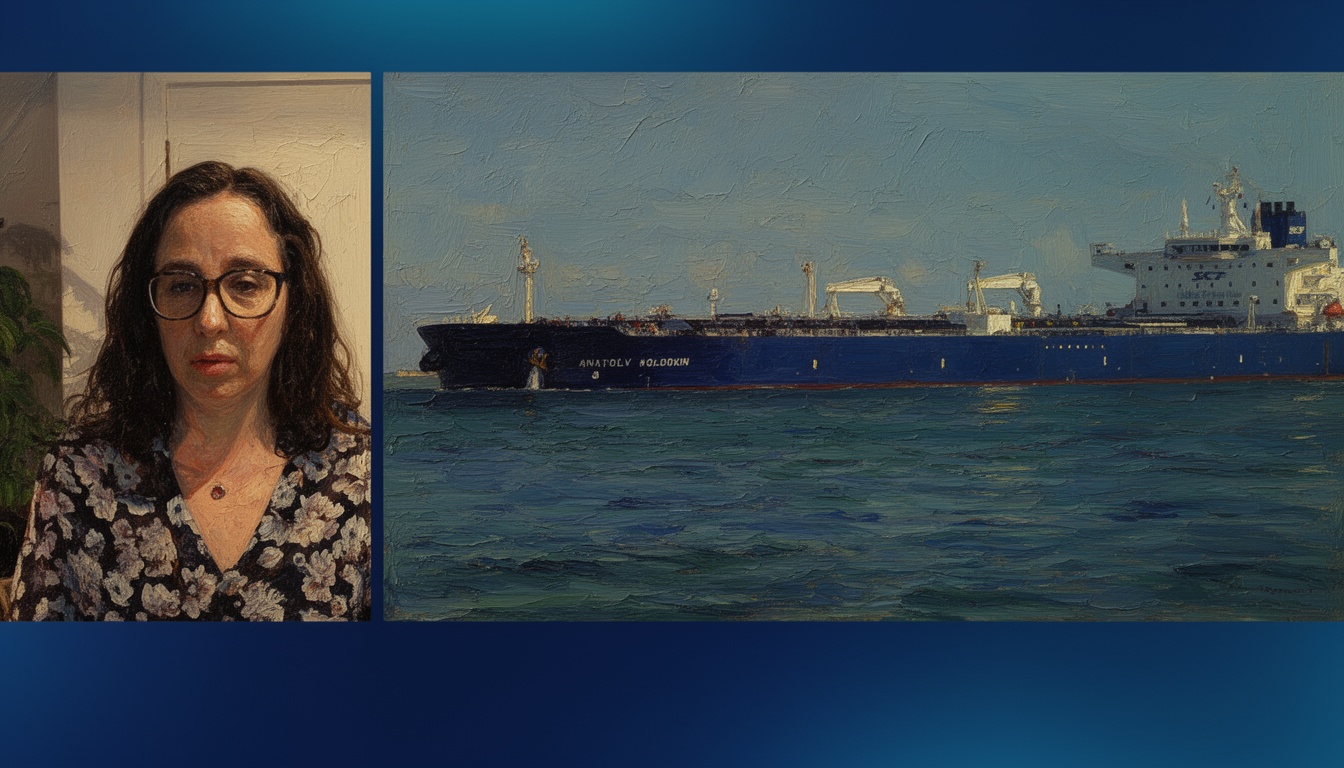
A Russian fuel tanker has docked in Cuba, delivering a shipment intended to sustain the island nation’s energy grid for approximately 10 days. This crucial delivery follows a self-imposed blockade and severe fuel shortages that threatened Cuba’s critical infrastructure.
Cuba has faced a crippling energy crisis worsened by U.S. sanctions and logistical challenges, leaving its power plants functioning below capacity. The three months leading up to this delivery saw widespread blackouts and rolling outages across the country.
Strategically, this shipment signals Moscow’s ongoing commitment to maintaining influence in the Western Hemisphere and supporting allies amid escalating U.S. pressure. It also highlights the vulnerability of Cuba’s energy sector to geopolitical disruptions.
The tanker reportedly carried tens of thousands of tons of fuel oil, vital for Cuba’s thermal power plants which constitute a major portion of the country’s electricity supply. The delivery is a stopgap measure, as Cuba’s domestic production remains insufficient and alternative energy sources are limited.
Looking ahead, Cuba’s energy crisis remains fragile, with dependence on external fuel sources creating a persistent geopolitical lever. This Russian intervention temporarily eases Havana’s shortages but underscores broader regional vulnerabilities and escalating great power competition.