Russian Oil Tanker Breaks Cuban Blockade, Ends Fuel Shortages
A Russian oil tanker has docked at Cuba, ending near-total fuel blockade. This development temporarily alleviates critical shortages impacting the island's energy sector and challenges US-imposed sanctions.
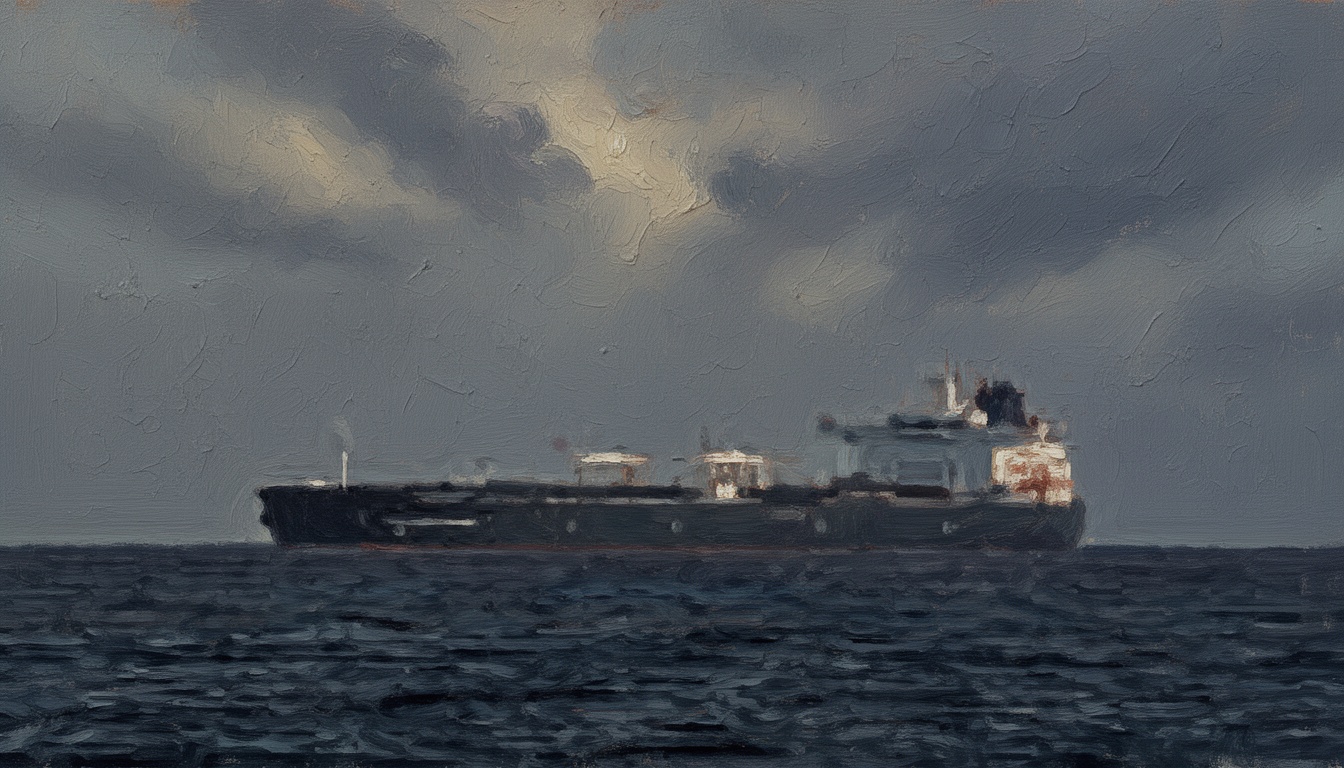
A Russian oil tanker successfully docked in Cuba this week, delivering critical fuel supplies after months of near-total blockade and shortages. The arrival marks a rare breach in efforts to isolate Cuba's economy through maritime restrictions, supplying vital petroleum products that the island desperately needs.
Cuba has faced severe fuel shortages since US sanctions restricted maritime and financial transactions involving the island. The near-total blockade strangled imports, leading to power outages, transport disruptions, and escalating economic hardship. Russia’s delivery breaks this pattern, signaling deeper geopolitical ties between Havana and Moscow against US pressure.
Strategically, the docking represents Russia's growing willingness to challenge Washington’s sanctions regimes and assert influence in the Western Hemisphere. The move could embolden other sanctioned states to seek alternative supply chains and sanctions evasion tactics. It also underscores Cuba’s continued reliance on external support amid persistent economic isolation.
The tanker reportedly carries tens of thousands of barrels of refined petroleum, critical for Cuba’s power generation, transportation, and industrial sectors. Technical management involved navigating heightened US maritime patrols aimed at preventing such deliveries. The operation reflects sophisticated logistical planning by Russian and Cuban authorities to circumvent maritime obstacles.
This breach of the blockade may provoke a response from the United States, risking escalation in diplomatic tensions or enforcement measures against shipping. For Cuba, the arrival provides temporary but vital relief, potentially stabilizing energy supplies in the short term but leaving long-term vulnerabilities intact if sanctions persist.