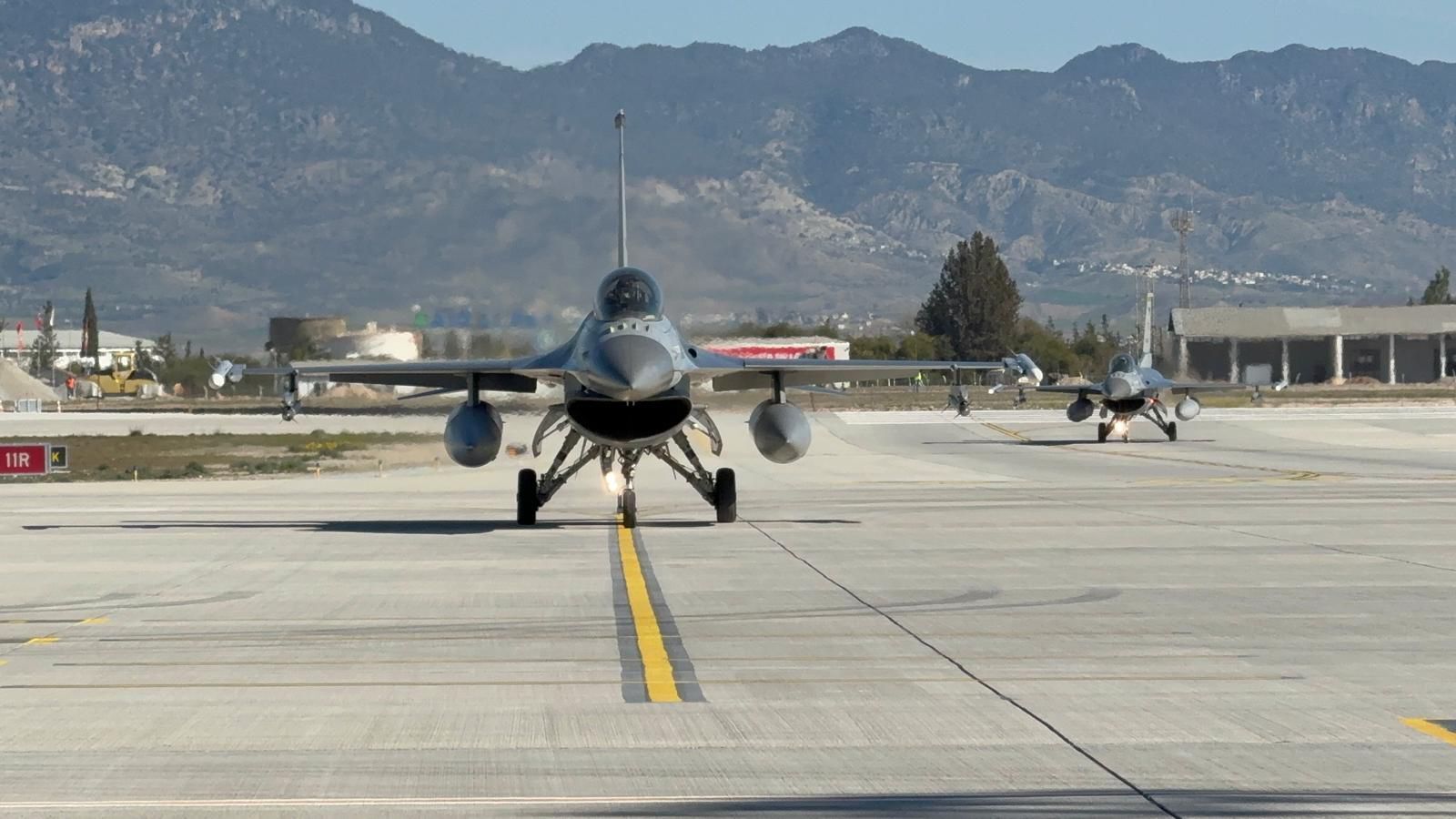
Turkey has escalated its military presence in Northern Cyprus by deploying six F-16 fighter jets, responding to ongoing threats from Iran, which has conducted drone and missile attacks in the region. This significant military transfer represents a direct challenge to Iranian aggression while also solidifying Turkey's strategic posturing in an increasingly volatile area between NATO interests and Iranian influence.
The backdrop to this deployment is a complex history of tension that has characterized Turkey-Iran relations and their respective roles in the Eastern Mediterranean and the Middle East. Following a series of Iranian missile tests and drone overflights, Turkey's decision reflects an urgent need to address perceived threats to its sovereignty and security, which have intensified after Iran's recent military engagements.
This escalation is significant as it underscores the fragility of the security landscape in the Eastern Mediterranean, where both NATO and Iran are vying for influence. The presence of Turkish F-16s not only serves as a deterrent against further Iranian aggression but also risks drawing in international powers and escalating existing conflicts in neighboring regions, particularly in Syria and Iraq.
Turkey's motivations center around maintaining its strategic foothold and asserting dominance in the face of expanding Iranian military capabilities. With Ankara increasingly concerned about Tehran's missile technology and regional operations, the deployment aims to reinforce Turkish sovereignty and display military readiness in confronting Iranian provocations.
The F-16 fighter jets, known for their versatility and combat capabilities, signify a rapid response to potential aerial threats. Each F-16 is capable of carrying a mix of air-to-air and air-to-ground munitions, enhancing Turkey's capacity to conduct surveillance and engage in combat operations. The cost of an F-16 per unit exceeds $50 million, marking a significant investment in regional deterrence that showcases Turkey's commitment to defending its interests.
The likely consequences of this military buildup include increased Iranian retaliatory actions, potentially leading to a broader conflict that destabilizes not only Northern Cyprus but the entire Eastern Mediterranean. Additionally, the probability of aerial confrontations increases as both forces operate in close proximity, elevating military stakes for regional powers and NATO allies alike.
Historical parallels can be drawn to the Cold War era, where military escalations and proxy conflicts often led to direct confrontations. This situation resembles previous instances of military posturing in South East Asia and the Baltic region, where powers sought to establish dominance, culminating in unexpected escalations.
In the coming weeks, intelligence indicators to monitor include Iranian missile tests, Turkish military exercises in the region, or any signs of deployment of additional military assets. Furthermore, the reactions from NATO and the broader international community concerning Turkey’s military posture will be critical as this ongoing crisis unfolds.