The U.S. Marine Corps is grappling with the realization that it cannot solely rely on the Army for ballistic missile defense. Current defense strategies depend heavily on strained Army units, a situation that poses significant risks, particularly in the Pacific theater where potential threats are increasing.
Historically, the Marine Corps has looked to the Army to provide comprehensive ballistic missile defense capabilities, but ongoing operational strains on Army resources have raised alarm bells. These concerns highlight vulnerabilities in the current integrated defense posture, especially regarding the anticipated challenges that could arise during regional conflicts.
Strategically, this dependency on the Army compromises the effectiveness of Marine operations in high-threat environments. With an increasing focus on Great Power Competition, particularly with nations like China, the Marine Corps recognizes that an autonomous missile defense capability is essential for maintaining operational independence and enhancing deterrence in the Pacific region.
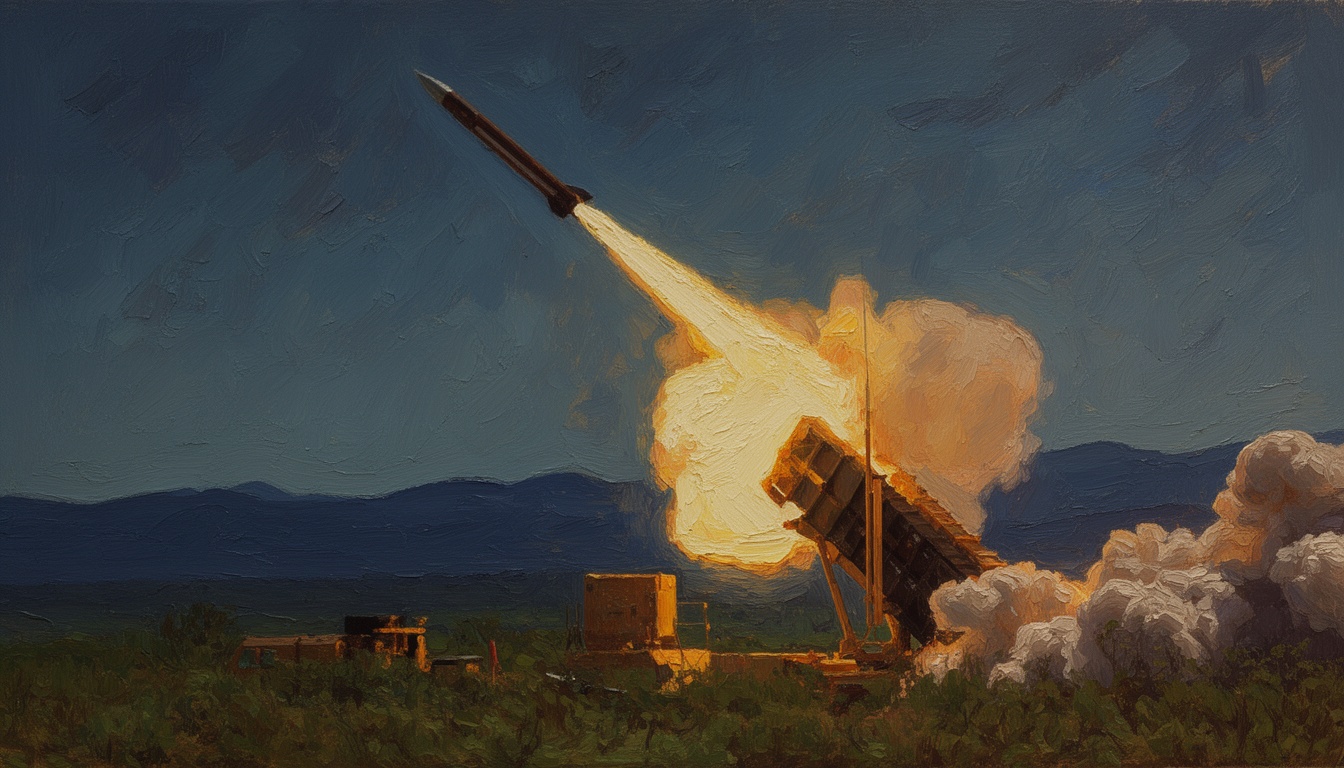
Current operational considerations include the development of mobile, resilient defense systems capable of intercepting ballistic threats. The Marine Corps is exploring options such as the integration of advanced radar systems and missile interceptors that could be platform-independent, therefore lessening the burden on Army assets and allowing for better response times and operational flexibility.
Moving forward, the Marine Corps aims to invest in developing its missile defense capabilities, ensuring that it can operate effectively without over-reliance on the Army. This shift could lead to a more robust overall defense strategy, allowing for a multi-layered approach to missile engagement, which is increasingly crucial in the context of evolving global threats.