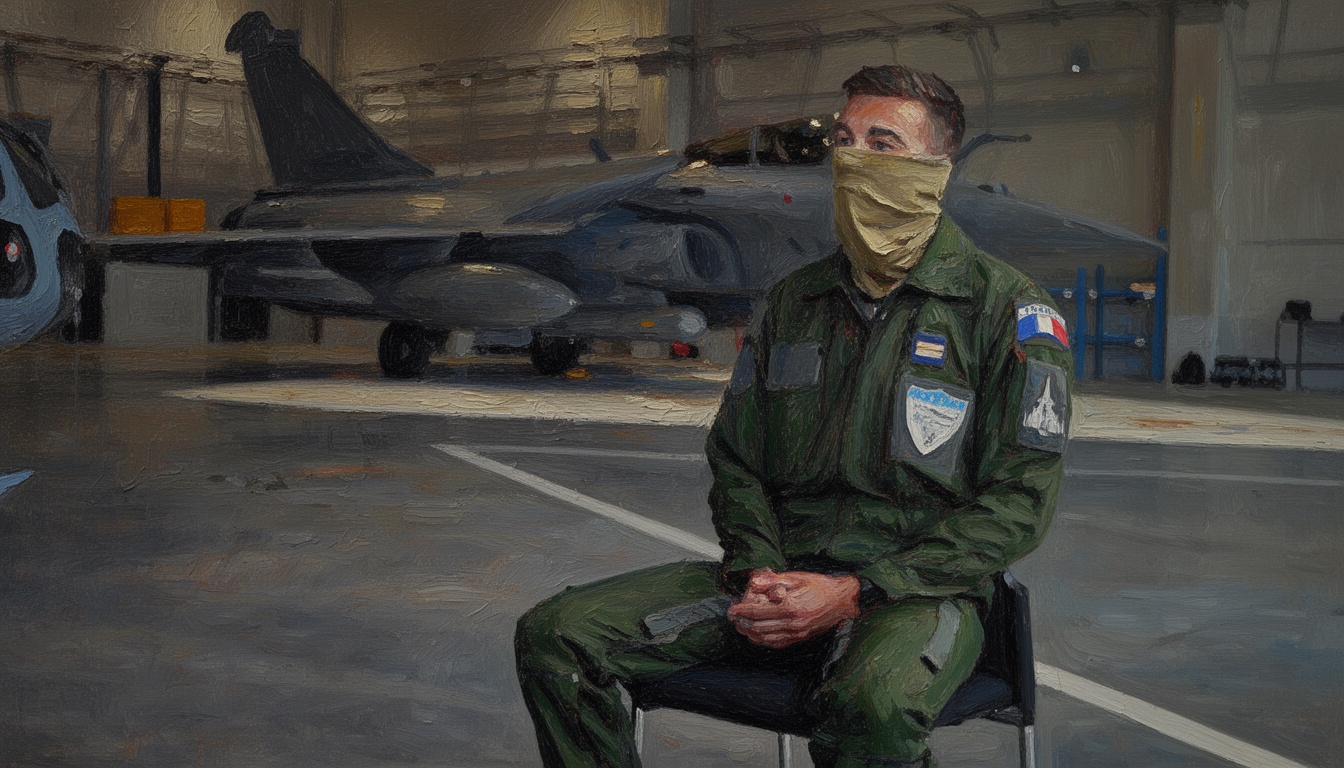
French fighter pilots have played a pivotal role in countering Iranian drone and missile threats in the Middle East. Known for their initial deployment focused on counterterrorism operations, the situation escalated on February 28, prompting a shift in their mission to address emerging aerial threats. Commander Quentin, Captain Louis, and Lieutenant Enzo, upon returning from their deployment, have publicly detailed their experiences and the environment in which they operated.
The backdrop of this deployment is a complex security landscape in the region, where Iranian drones have increasingly threatened both military and civilian targets. French forces, in collaboration with allied partners, have been tasked with intercepting these UAVs (Unmanned Aerial Vehicles) to enhance regional stability. This development not only highlights the growing capabilities of Iranian military hardware but also France’s responsive strategy to evolving threats.
Strategically, France's engagement signals its commitment to countering Iranian influence and ensuring the protection of allied assets. By intercepting Iranian drones, French pilots contribute to a broader coalition effort aimed at deterring aggressive actions that could destabilize the region further. The increased presence of French military assets in the area reflects a shift towards a more proactive defense posture amidst rising tensions.
From a technical standpoint, French fighter jets have been vital in conducting air operations against fast-moving drone threats. The skills and equipment deployed by these pilots demonstrate advanced aerial combat tactics designed to neutralize drone incursions effectively. This operational capability is crucial in an environment where drone technology is becoming commonplace in asymmetric warfare.
The implications of these developments are profound. As the capabilities of Iranian military technology continue to advance, France’s active role in interception could foster an increase in defense spending and military readiness among regional allies. Additionally, it raises the stakes for future engagements concerning aerial threats, as successful interception efforts reinforce deterrence against potential Iranian aggression and safeguard allied interests in the Middle East.