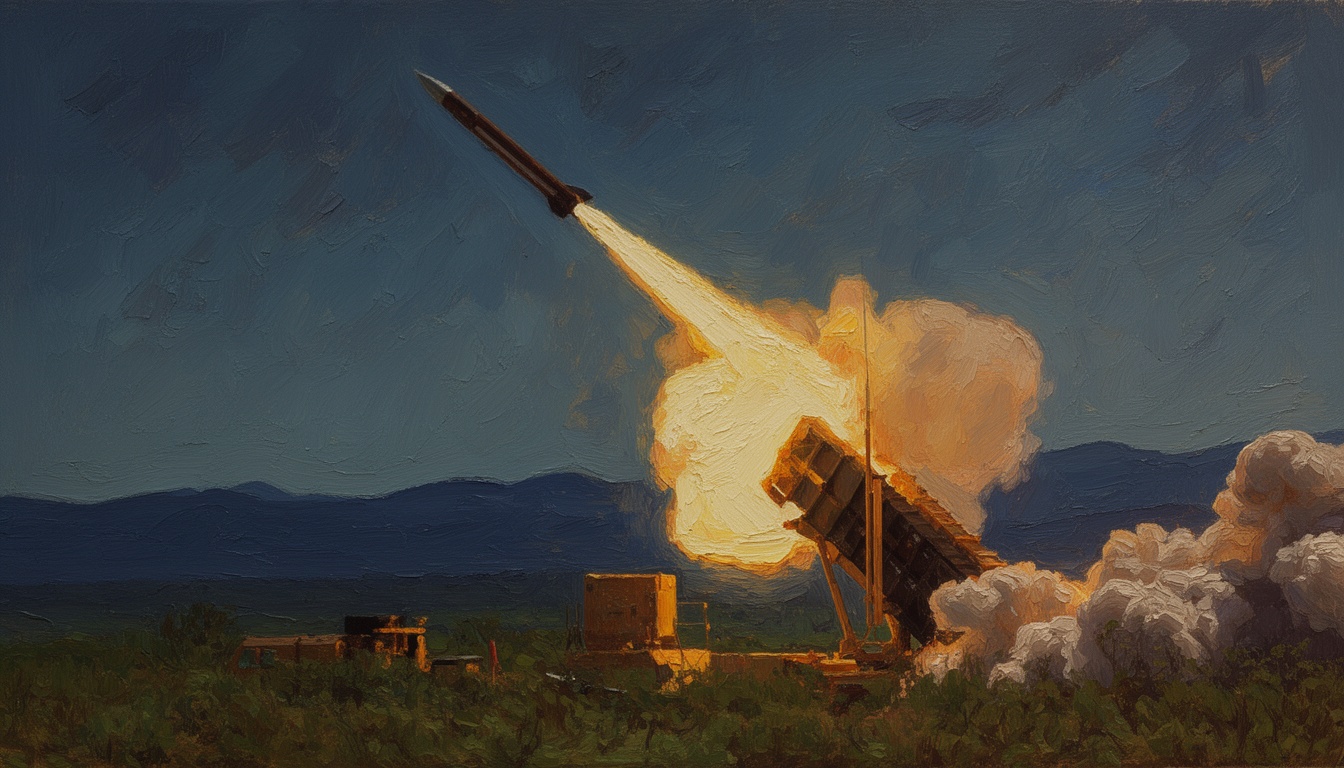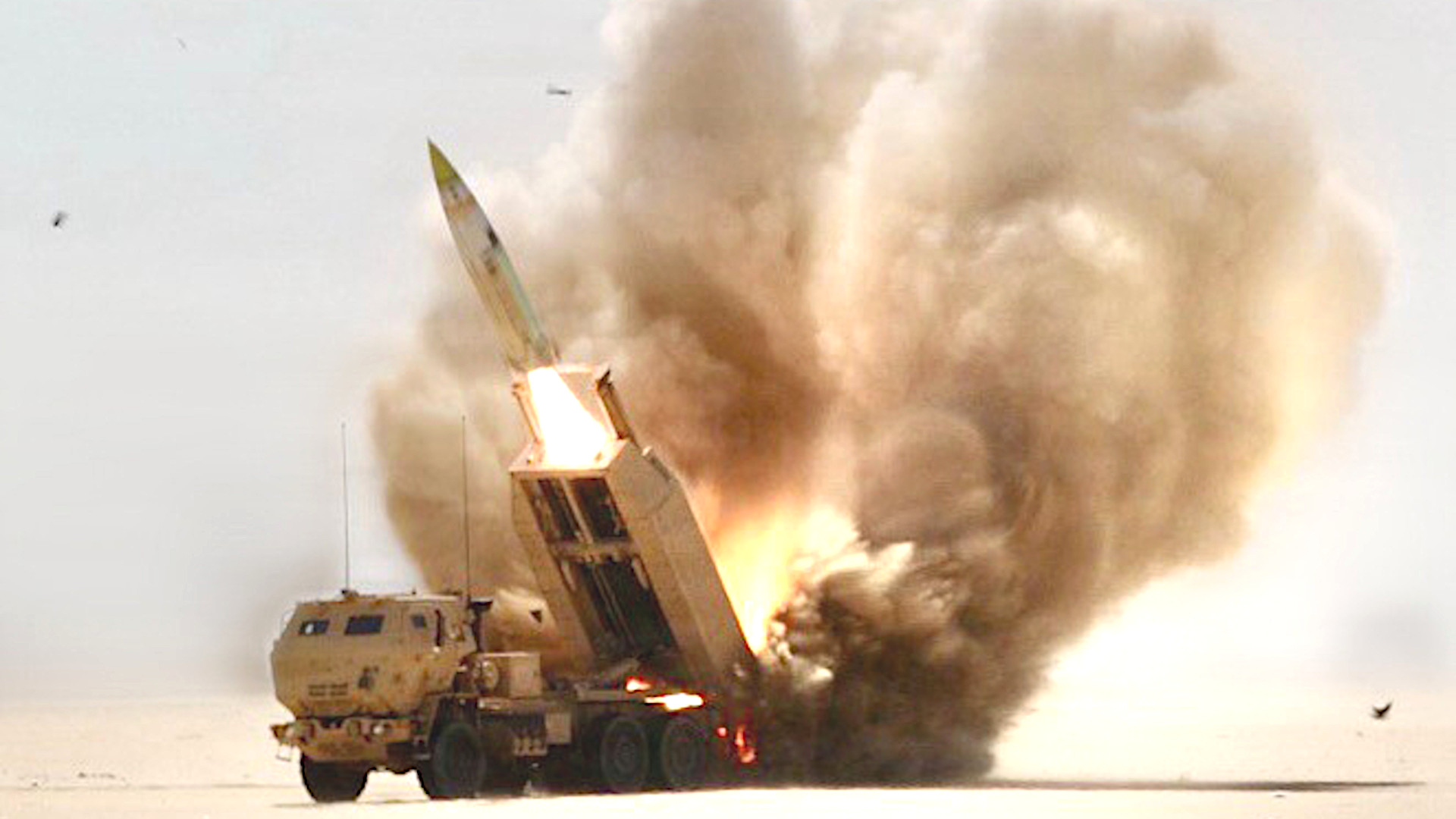
A U.S. ATACMS (Army Tactical Missile System) has successfully struck and sunk an Iranian submarine, marking a critical juncture in the escalating confrontation between the two nations. This strike exemplifies the lethal effectiveness of American long-range precision-guided munitions against Iranian naval platforms, with implications that extend beyond the immediate tactical victory.
This incident is rooted in the ongoing naval confrontations and provocations between the U.S. and Iran, particularly since the 2019 attacks on oil tankers in the Strait of Hormuz. Iran has strategically invested in its naval capabilities, including submarines, as a deterrent against perceived threats from U.S. Navy forces operating in the region. The recent sinking of the submarine showcases the vulnerabilities present in Iran's maritime strategy.
The destruction of the submarine underscores a significant shift in naval power dynamics in the Gulf, where U.S. military assets are now more capable of executing long-range strikes against Iranian assets. This incident raises the stakes, as Iran may feel pressured to retaliate or further escalate its military posturing in the region, laying bare its inability to protect critical maritime infrastructure.
Key actors include the U.S. military, which seeks to maintain its dominance in the region, and the Iranian Revolutionary Guard Corps (IRGC), which is tasked with safeguarding Iranian territorial waters. Iran is likely to frame this incident as an act of aggression, potentially using it to rally domestic support or justify countermeasures against U.S. interests.
The ATACMS, with a range of approximately 300 kilometers and the ability to carry a combat payload of up to 500 kg, allows U.S. forces to strike far beyond the horizon without direct engagement. The precision of this missile system gives the U.S. a substantial upper hand in asymmetrical warfare scenarios, particularly against less technologically advanced foes like Iran.
The implications of this event could lead to a spiral of military responses. Iran's leadership might order retaliatory attacks on U.S. naval forces or regional allies, with the Strait of Hormuz remaining a flashpoint for potential conflict escalation. This incident has the potential to alter the rules of engagement and provoke further U.S. military involvement in the region.
Historical precedents, such as the U.S. naval operations during the 1980s Tanker War, offer a chilling reminder of how quickly maritime confrontations can escalate into broader conflicts. Iranian responses during that period were marked by dramatic retaliatory strikes, mirroring potential future actions stemming from this submarine sinking.
In the coming weeks, analysts should monitor Iranian naval maneuvers and rhetoric closely, as any signs of preparation for retaliatory action could indicate a shift towards open conflict. Additionally, watch for increased U.S. naval deployments in the Gulf that could lead to further escalations.