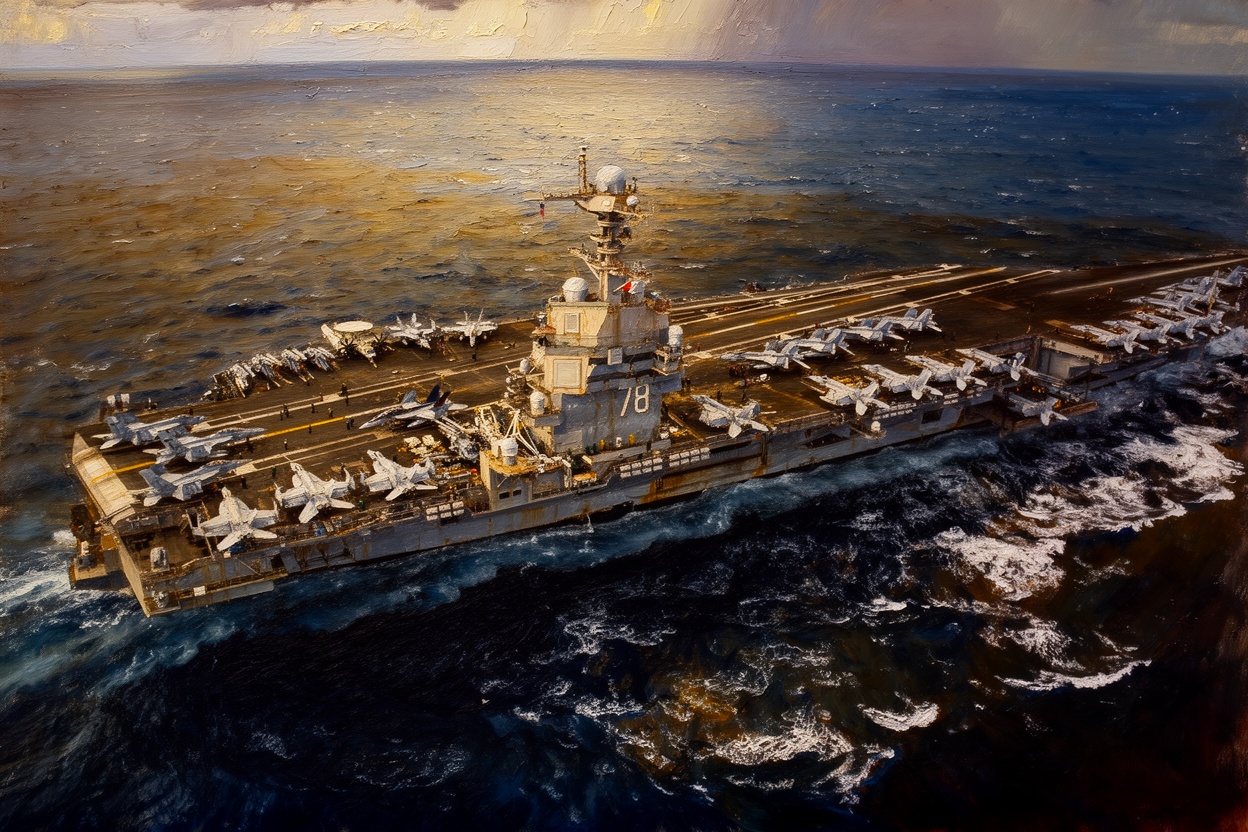

The United States has positioned three carrier strike groups (CSGs) within the U.S. Central Command area of responsibility for the first time in more than twenty years. This concentrated carrier presence represents a deliberate amplification of naval power projection in a high-threat, strategically vital region. The move underscores a commitment to deterrence and rapid crisis responsiveness, capable of delivering air superiority, precision strike, and maritime surveillance at scale.
Background context centers on CENTCOM’s long-standing focus on ensuring the free flow of maritime commerce and deterring state and non-state threats across the Gulf, the Levant, and the broader regional theater. Periods of elevated carrier activity in this zone have historically tracked heightened tensions with regional adversaries and pivotal security junctures, including attempted escalations, sanctions enforcement, or security guarantees for regional allies. The current disposition reflects a response to credible and persistent risk signals observed by intelligence and operational planners over months and quarters.
Strategically, the triple-CSG posture multiplies U.S. naval deterrence leverage against potential adversaries capable of regional power projection. It expands the U.S. command-and-control footprint, accelerates the alliance signaling envelope with partners and access arrangements, and complicates adversary risk calculations by presenting a higher concentration of air, sea, and missile-defense coverage. Analysts will watch for reactions from near-peer competitors who closely study carrier movement, sortie rates, and the tempo of allied naval exercises accompanying these deployments.
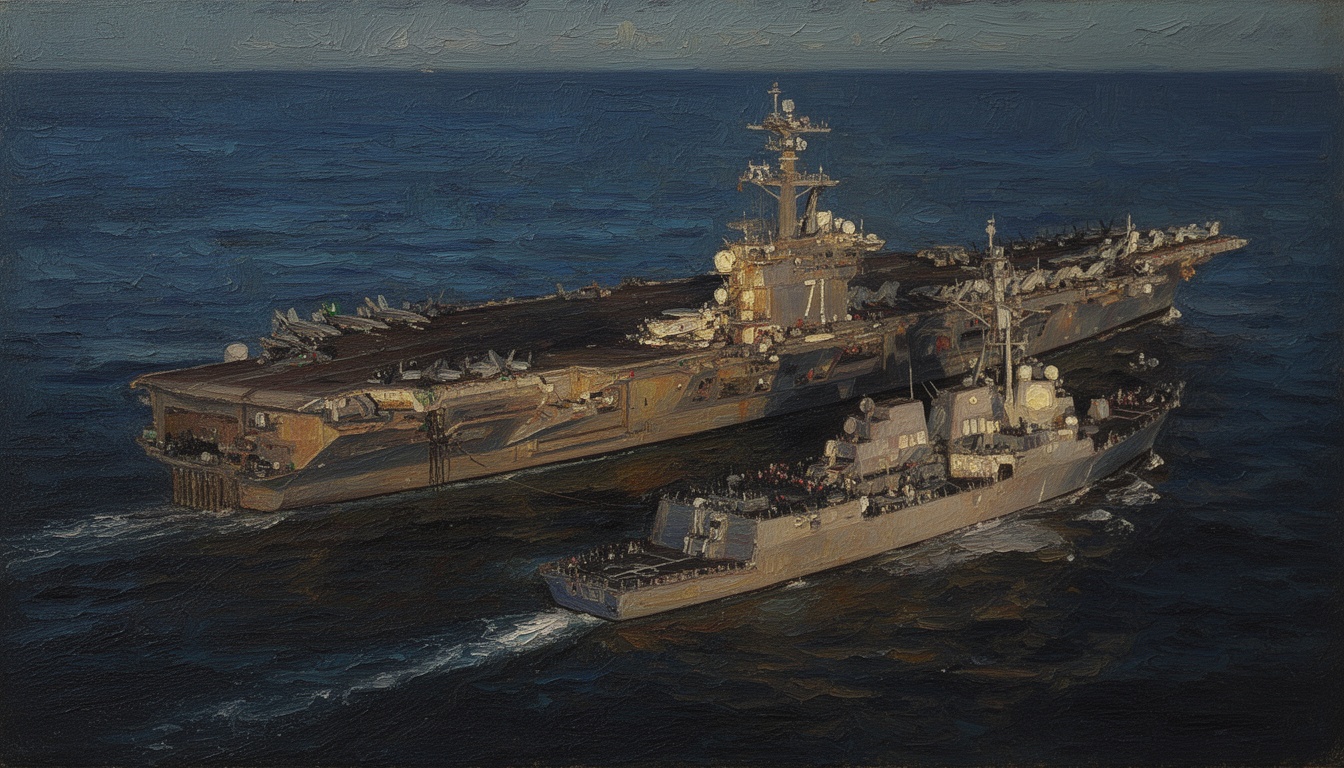
Operationally, a carrier strike group typically combines a supercarrier, attached air wing, guided-mreaters, cruisers, and destroyers to form a powerful, multi-domain force package. In a CENTCOM context, the carrier air wing would provide air superiority, strike capabilities against fixed and mobile targets, and ISR coverage across vast maritime and littoral regions. Escort columns and logistics tail management are crucial to maintaining prolonged presence, with replenishment at sea and underway replenishment shaping the tempo of operations and endurance of the force.
Likely consequences revolve around deterrence credibility, regional crisis management, and broader strategic signaling. The concentrated carrier posture could deter adversaries from taking aggressive steps or accelerate a potential de-escalation dynamic if tensions peak. Conversely, it may raise the risk of miscalculation in a rapidly evolving crisis, especially if adversaries interpret the move as an imminent invasion cue or as a willingness to escalate confrontation. In the near term, we should expect intensified training, heightened readiness across allied maritime forces, and greater scrutiny of global shipping lanes transiting the region.