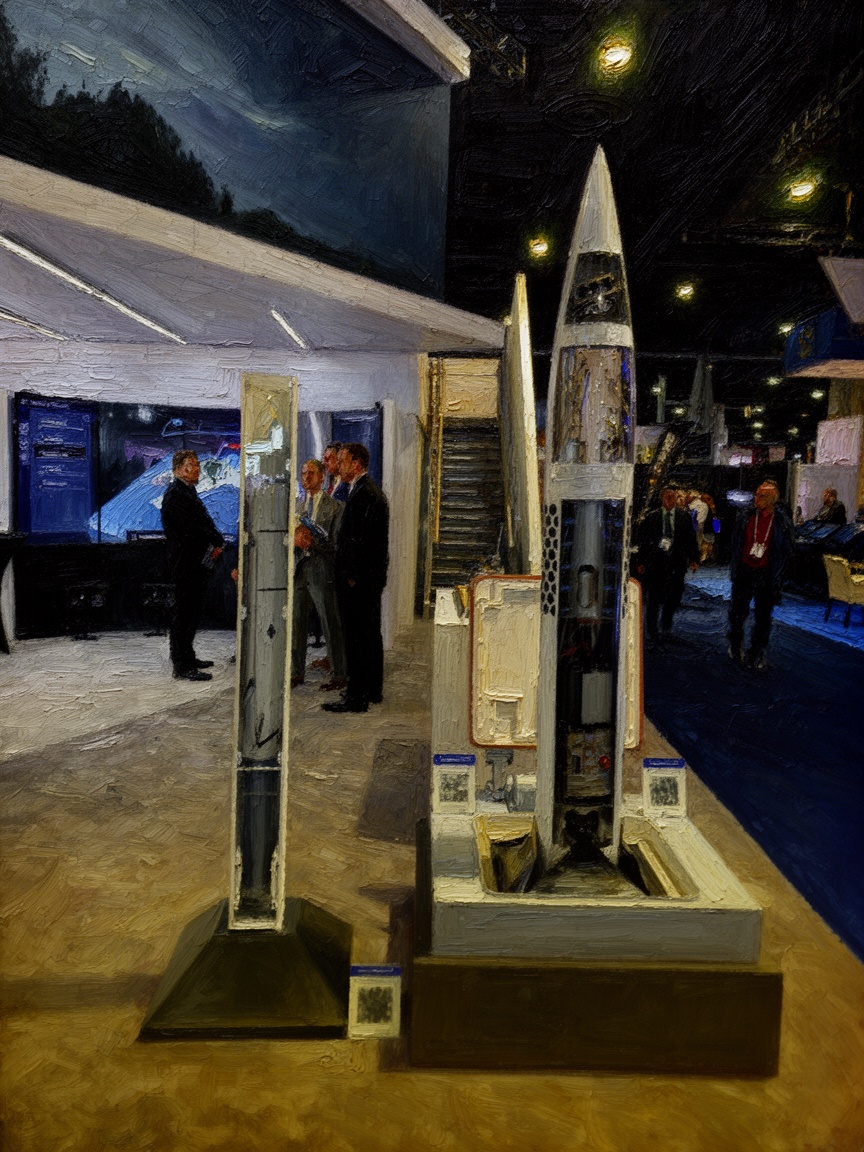
During Prime Minister Narendra Modi's recent state visit to Israel, discussions advanced regarding the procurement of the 'Sky Sting,' a next-generation, AI-enhanced beyond-visual-range air-to-air missile (BVRAAM) under development by Israeli defense manufacturers. This move is strategic for India as it seeks to enhance the combat capabilities of its indigenous Light Combat Aircraft (LCA) Tejas while addressing the growing threats from advanced Chinese air-to-air missiles such as the PL-15 and PL-17.
The Sky Sting missile is expected to incorporate cutting-edge features associated with sixth-generation aerial combat technology, including improved radar and infrared homing seekers for target acquisition, AI-driven guidance systems for enhanced precision, and extended operational ranges. Such capabilities could potentially enable the Tejas to engage enemy aircraft at distances previously unattainable, thereby improving survivability and lethality in contested environments.
Strategically, this acquisition aims to elevate India's aerial warfare capabilities, particularly in the context of ongoing regional tensions with China and Pakistan. The advancement in missile technology not only seeks to diminish the qualitative edge of adversaries, who have invested heavily in developing advanced air-to-air missile systems but also positions India as a formidable player in the South Asian theater. The integration of the Sky Sting could significantly enhance operational readiness and deterrence capabilities for the Indian Air Force.
The Sky Sting's manufacturer remains at the forefront of global defense technology, with Israel historically being a leader in developing sophisticated missile systems. The collaboration will likely involve technology transfer agreements and co-development initiatives to bolster India's indigenous defense manufacturing ecosystem, thereby furthering the 'Make in India' initiative.
Potential applications of the Sky Sting missile extend beyond enhancing the Tejas. Should it prove successful, similar integrations could be undertaken with other platforms within the Indian Air Force's inventory. The ongoing advancements in air-to-air missile technology highlight a pivotal shift in aerial combat strategies and underline the necessity of continued investment in next-gen defense technologies to ensure air superiority in increasingly complex geopolitical scenarios.