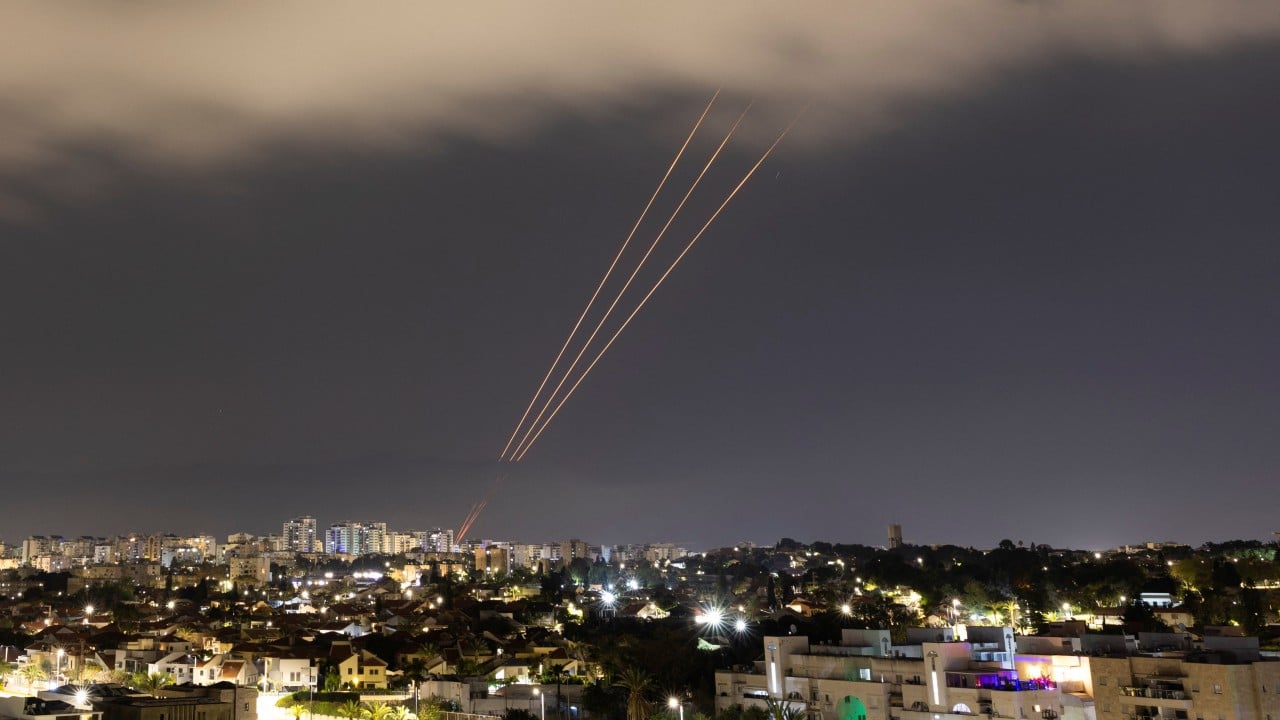
Lessons for China from Iran War on Missile Interception
معرض دفاعي

Lessons for China from Iran War on Missile Interception

صورة: South China Morning Post
شرق آسيا
الملخص التنفيذي

A Chinese military publication highlights the escalating missile threats from the US, its allies, Taiwan, and India, urging Beijing to enhance its air-based missile interception capabilities. The ongoing Iran conflict demonstrates the challenges posed by ballistic missile barrages to existing midcourse and terminal phase defense systems.

Recent developments in the Iran war have underscored profound challenges posed by ballistic missile attacks against established defense architectures, particularly impacting Israel. According to a March analysis featured in a mainland Chinese military magazine, the missile volleys launched by Iranian forces reveal significant vulnerabilities in current missile defense systems tasked with midcourse and terminal interception phases. The existing systems struggle with saturation attacks and evasive maneuvers, which degrade interception success rates and compromise strategic defense reliability.

The report argues for the urgent development of a robust air-based interceptor system tailored to counter sophisticated missile threats. Such a platform would provide China with a flexible and responsive shield capable of neutralizing not only ballistic missiles from traditional adversaries like the United States and its regional partners but also emerging threats stemming from Taiwan and India. The proposed system would likely integrate advanced radar tracking, rapid launch capabilities, and multi-layer interception strategies to overcome saturation and maneuvering tactics.

Strategically, enhancing missile interception will fortify China’s deterrence and defense posture in a region marked by escalating arms competition. A more resilient defense infrastructure enables China to project strength, protect key assets, and maintain regional stability amid evolving geopolitical tensions. Furthermore, indigenous manufacturers specializing in aerospace and defense technologies stand to benefit from such development initiatives, fostering technological advancement and defense autonomy.

In summary, the Iranian missile threat exemplifies the evolving missile warfare landscape, compelling China to innovate its air defense systems. Upgrading interception capabilities aligns with Beijing's broader strategic objectives of safeguarding national security and asserting technological superiority in high-threat environments.

استخبارات ذات صلة
China Advocates Peace through Economic Growth Amid Iran Conflict
شرق آسيا
بحث

China Advocates Peace through Economic Growth Amid Iran Conflict

China's top legislator Zhao Leji called for resolving conflicts via negotiation and prioritizing economic development at the Boao Forum amid ongoing US-Israeli tensions with Iran. Emphasizing Asia's historical suffering from war, he advocated rejecting power politics for regional stability.

منذ 14 يقراءة
Drone Footage Exposes Damage from Iranian Missile in Arad
REGION.ISRAEL
التقنيات الجديدة

Drone Footage Exposes Damage from Iranian Missile in Arad

Recent drone reconnaissance has provided detailed imagery of the structural damage in Arad following an Iranian missile strike. The surveillance highlights the missile's impact on civilian infrastructure, emphasizing the need for enhanced missile defense systems.

منذ 12 يقراءة
Underwater Missile Launch Pads: Chinese Study Indicates Feasibility
شرق آسيا
إطلاق منتج

Underwater Missile Launch Pads: Chinese Study Indicates Feasibility

Chinese researchers have successfully tested the ignition of solid rocket engines at depths of 200 meters underwater, surpassing current submarine-launched missile capabilities. This breakthrough opens the door for next-generation deep-sea weapon platforms with enhanced strategic flexibility.

منذ 15 يقراءة
India Pursues Israeli Sky Sting Missile to Enhance LCA Tejas
شرق آسيا
بحث

India Pursues Israeli Sky Sting Missile to Enhance LCA Tejas

India's interest in the Sky Sting BVRAAM aims to fortify its air capabilities against Chinese advancements. The missile's sixth-generation, AI-enabled technology promises enhanced operational effectiveness for the LCA Tejas fighter aircraft.

منذ 43 يقراءة