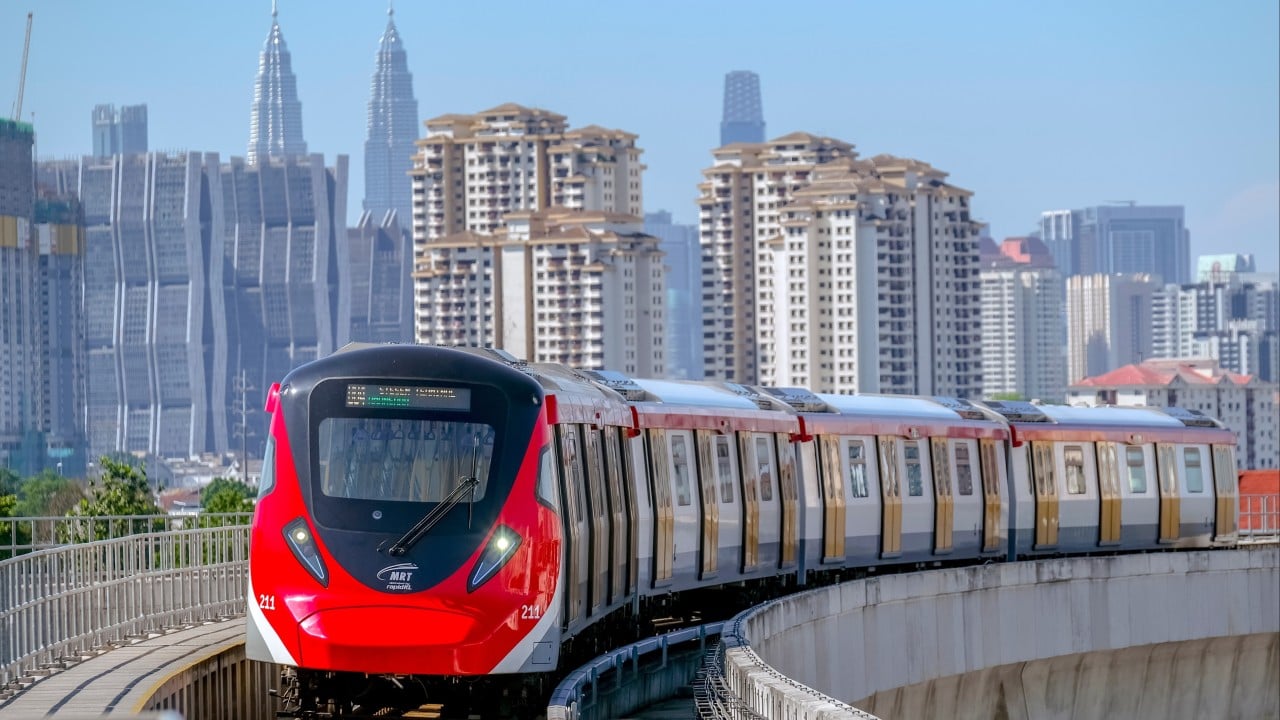
In a troubling trend, Malaysia's urban rail services have faced severe disruptions due to an alarming increase in cable thefts, primarily driven by soaring copper prices. Major commuter lines, including the MRT Putrajaya and Kajang services, have been repeatedly targeted, significantly inconveniencing thousands of passengers. Authorities are struggling to address the crisis, which has escalated in recent weeks as thieves capitalize on the high market demand for copper.
Historically, copper thefts have plagued rail systems globally, but the current situation in Malaysia has intensified due to a surge in copper demand that has pushed prices to unprecedented levels. As essential infrastructure is increasingly at risk, the Malaysian authorities are on high alert, trying to prevent further thefts and mitigate service disruptions. Rail operators report frequent outages, highlighting a systemic vulnerability amid rising economic pressures related to global commodity markets.
The significance of these thefts extends beyond mere inconvenience; they expose vulnerabilities in Malaysia's transit infrastructure, critical for economic stability and mobility in the region. As the thefts continue, the potential for escalating violence involving thieves and authorities also increases, creating a complex security challenge. Additionally, the rise in metal theft could serve as a bellwether for organized crime operations expanding into critical sectors.
Key players in this crisis include the Malaysian government, local security forces, and criminal enterprises. While officials declare a commitment to stemming copper theft, their strategies appear reactive rather than proactive, revealing a lack of genuine political will to tackle the root causes of rising crime. Thieves are likely emboldened by the perception that authorities are unable to resolve the situation, further eroding public confidence in security measures.
In terms of operational specifics, reports from rail operators indicate continual interruptions in service, particularly affecting lines that connect central Kuala Lumpur to vital administrative centers like Putrajaya. The financial burden is significant; disruptions are causing substantial losses both in terms of lost revenue and increased operational costs as security measures are ramped up to safeguard infrastructure. The need for immediate protective measures is urgent, considering that railways are a backbone of urban mobility.
The consequences of these thefts could escalate further, with a ripple effect through the supply chain for various industries reliant on efficient logistics. If unaddressed, the ongoing crisis might lead to long-term damage to Malaysia’s infrastructure reputation, affecting tourism and foreign direct investments. The potential for violent confrontations between thieves and authorities presents an imminent threat to public safety and order.
There are historical parallels to this situation with similar spikes in metal theft leading to systemic failures in urban transportation systems in other countries during economic downturns. Past incidents in nations like South Africa and Brazil demonstrate how crime can infiltrate vital infrastructure, leading to widespread public disruption and loss of life.
Going forward, closely monitoring law enforcement responses and the impact of increased thefts on commuter safety will be crucial. Key indicators to watch include the implementation of technology solutions, enhanced patrols, and community engagement initiatives aimed at preventing further disruptions. The stakes are high, and the failure to respond effectively to this crisis could result in a broader security breakdown affecting Malaysia's urban environments.