GLOBAL TACTICAL ANALYSIS CENTER
18 تقرير مُدرج -- "Myanmar"
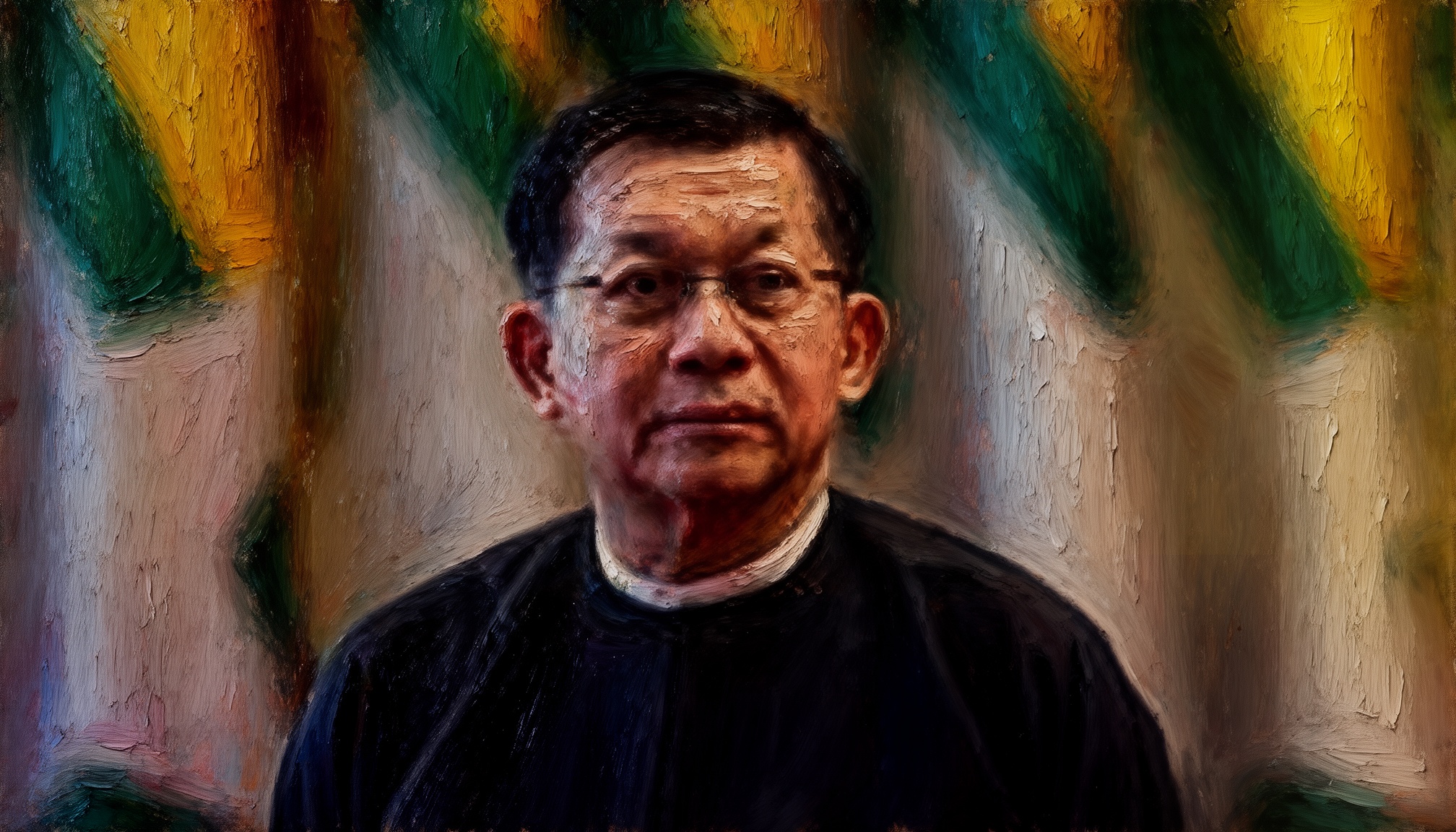
Indonesian rights activists have escalated efforts to hold Myanmar’s military rulers accountable by filing a genocide complaint against President Min Aung Hlaing. The case accuses the leader of mass atrocities against the Rohingya ethnic minority, signaling intensified international scrutiny of Myanmar’s military crimes.
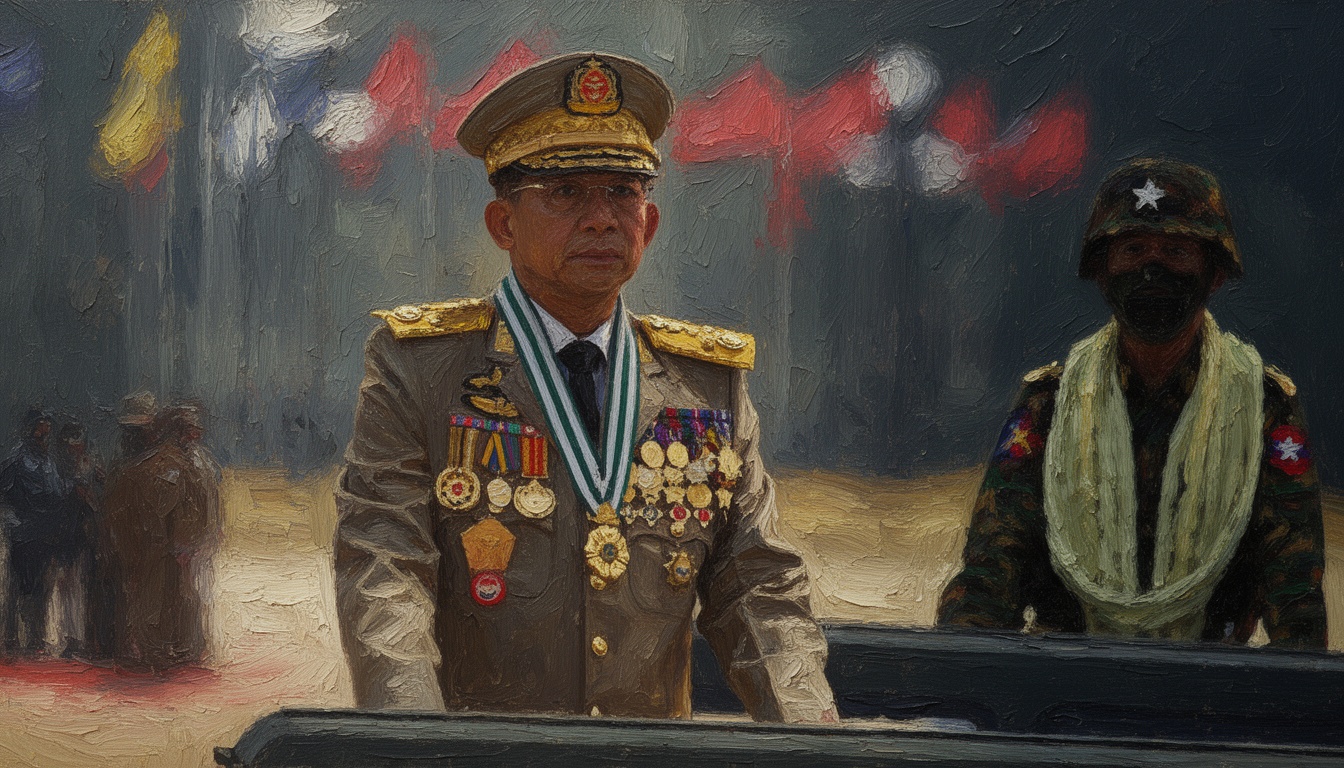
Myanmar's military-backed parliament appointed General Min Aung Hlaing president weeks after his coup, cementing military dominance. The election was widely dismissed as a façade without genuine civilian legitimacy, deepening political crisis. This move signals a troubling consolidation of military power under civilian cover.
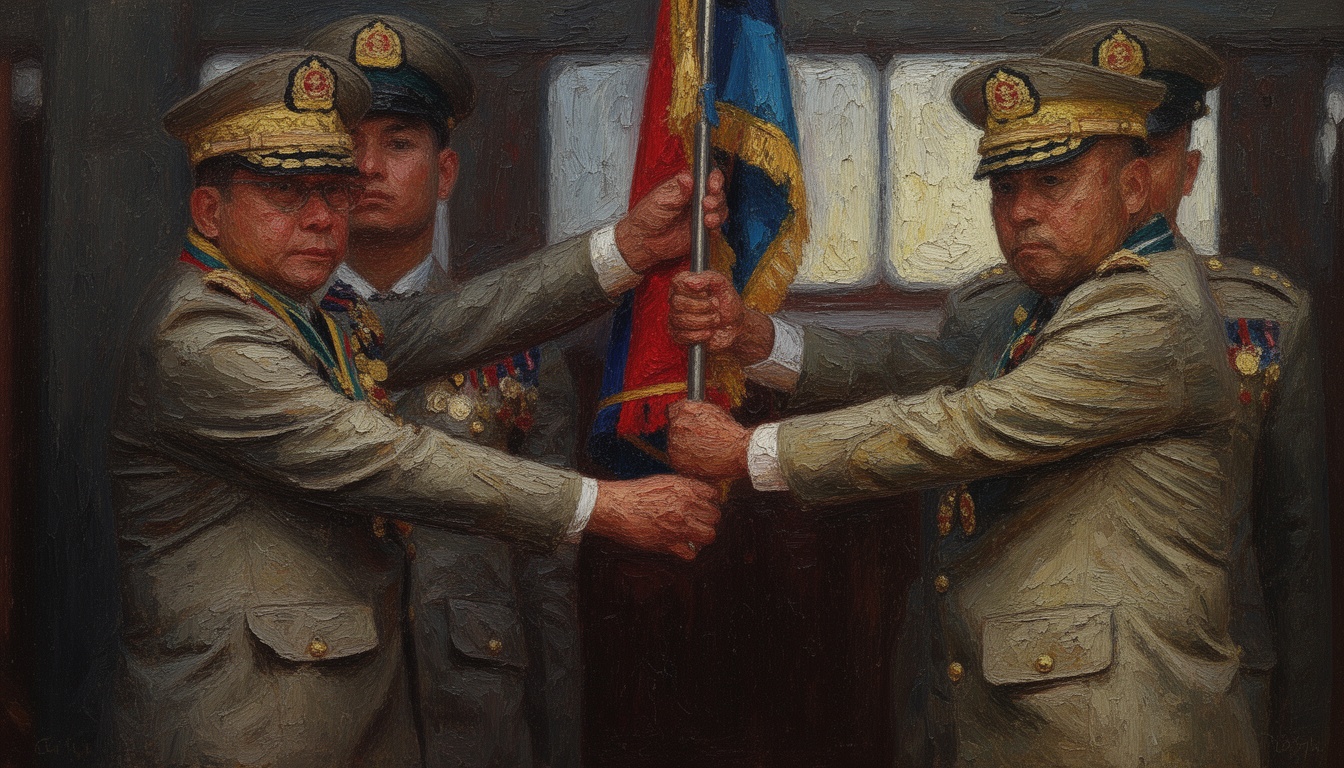
Myanmar’s top general resigns from military to secure presidency, analysts warn this move masks continued junta dominance. This maneuver represents constitutional repackaging rather than true civilian governance, risking deeper institutional militarization and regional instability.
Myanmar’s military leader Min Aung Hlaing, under international sanctions, secures presidency. This cements military dominance despite widespread condemnation and ongoing civil conflict.
Rising fuel prices linked to Middle East conflicts force Myanmar commuters to switch from planes and cars to trains, reviving its aged rail network. This shift has significant implications for regional transport logistics and energy resilience amid global commodity shocks.
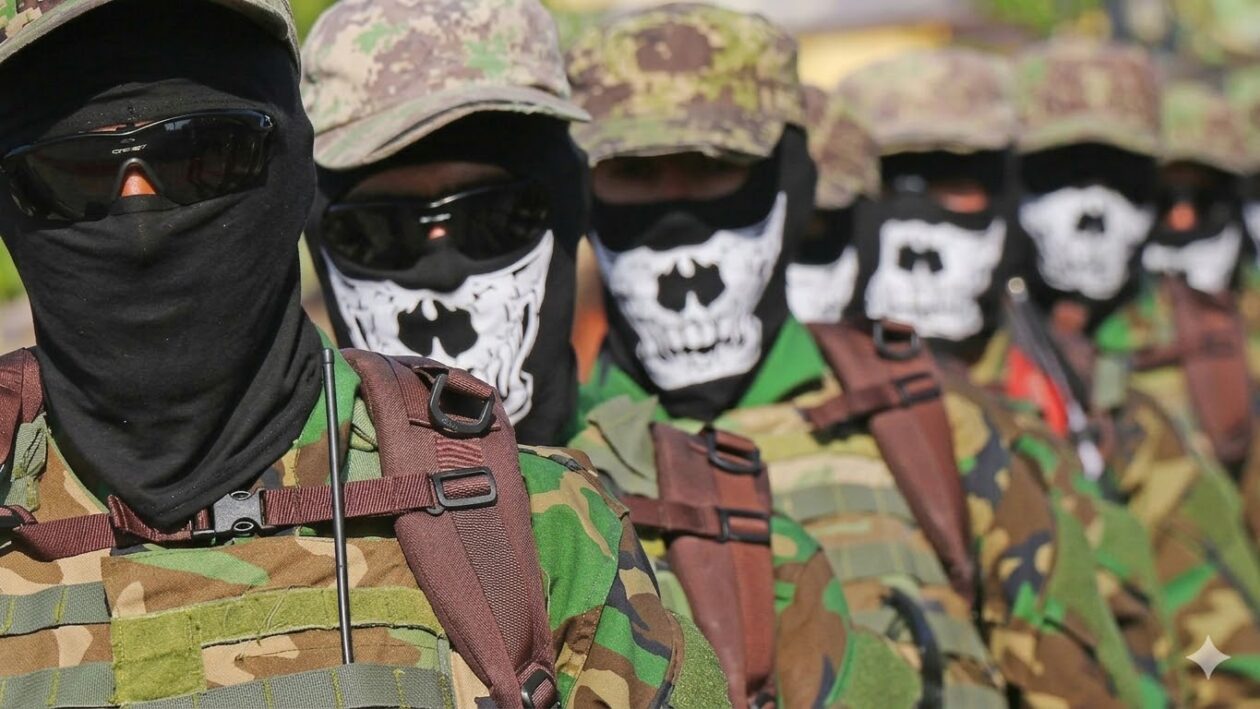
Russian military equipment and battlefield tactics, notably conscripted infantry assaults similar to those in Ukraine, are reshaping the civil war in Myanmar. These developments intensify the conflict, raising risks of prolonged instability in Southeast Asia.
The detainment of seven foreign mercenaries involved in arms supply and drone training to Myanmar rebels reignites suspicions of a century-old Western strategy to establish a Christian-majority state spanning parts of India, Bangladesh, and Myanmar. This development highlights enduring regional fissures with potential to destabilize South Asia’s fragile security balance.
Myanmar's parliament under military control convenes, excluding key opposition parties and raising concerns over democratic legitimacy. This marks a significant maneuver by the junta to consolidate power after the 2021 coup, further destabilizing regional security dynamics.
The commissioning of the UMS Thalun Min signifies Myanmar's ambition to enhance its naval power amidst regional tensions. The addition of advanced naval assets raises concerns for neighboring countries and indicates Myanmar’s increasing militarization.
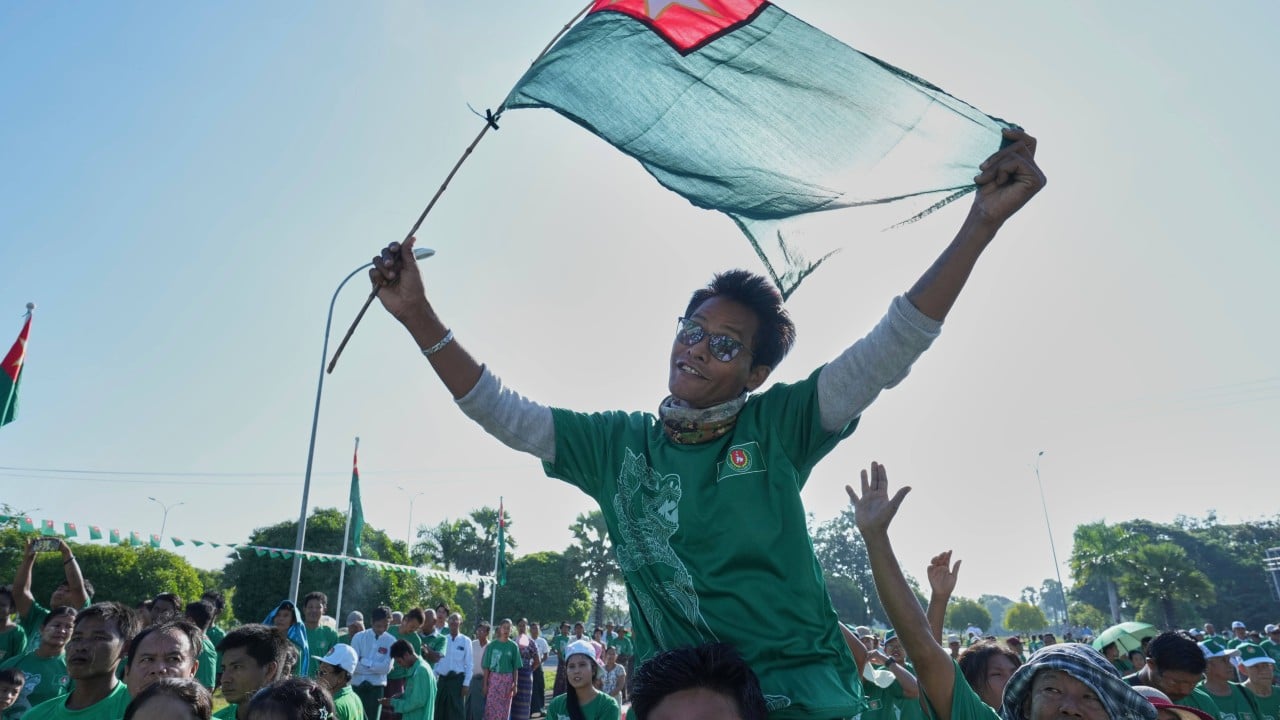
Myanmar's military-backed election reveals the junta's desperation for international legitimacy while tightening its authoritarian grip. The ruling party, USDP, will ensure military interests take precedence amidst ongoing civil unrest.
Myanmar's commissioning of the UMS Thalun Min marks a significant escalation in its naval capabilities amidst ongoing regional tensions. The unveiling of a 40,000 ton floating dry dock highlights military ambitions and potential power shifts in Southeast Asia.
Thailand’s state-backed energy giant PTT will freeze pump prices for 15 days as war in the Middle East throttles the flow of oil and gas through the crucial Strait of Hormuz, spurring panic buying and some fuel rationing across parts of the Mekong. Thailand, Laos, Cambodia and Myanmar are heavily reliant on Middle Eastern oil and gas, whose flows have been strangled since the weekend when the US and Israel attacked Iran, prompting Tehran to strike back, hitting tankers and energy facilities...
Comprehensive military weapons database with 1000+ systems. Enable JavaScript for the full experience.