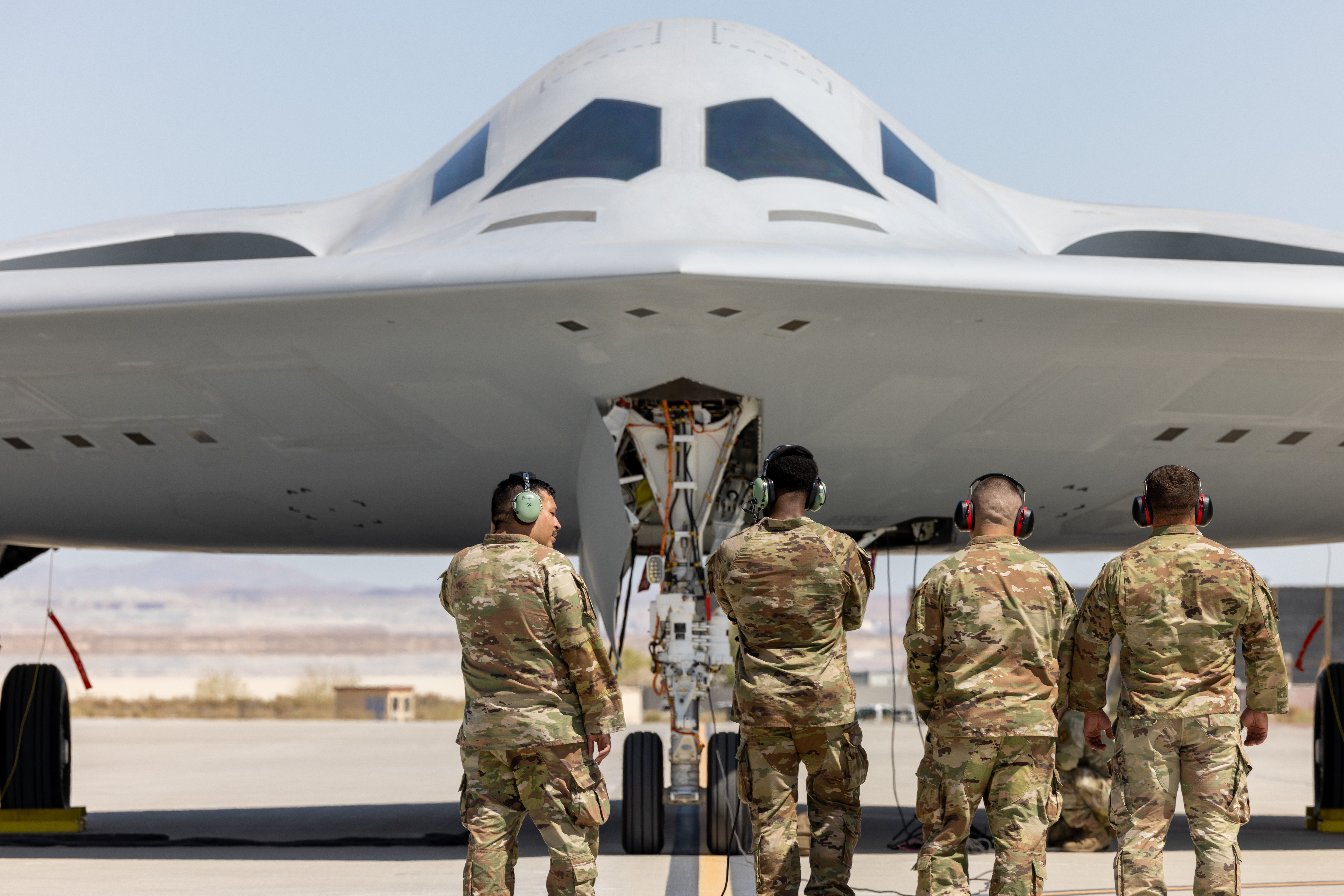
A leading US defense think tank has recommended that the US Air Force procure 500 next-generation aircraft, specifically the F-47 fighter and B-21 bomber, to address the escalating military capabilities of China. The call for this significant increase in military hardware comes from aviation expert Heather Penney, who insists that relying on the strategy of 'divest to invest' is inadequate for maintaining air superiority. The urgency of this recommendation underscores pressing concerns regarding competition in the Indo-Pacific theater, particularly with China's advancements in aerial combat and missile technology.
This development is critical as it highlights the broader geopolitical dynamics within the Indo-Pacific region, where China's military assertiveness has raised alarms among its neighbors and US allies. The perceived threat from China's growing air power necessitates a robust response from the US to sustain a credible deterrent posture in the region. This recommendation by the think tank indicates a potential shift in US defense policy, as military leaders begin to recognize the implications of underinvestment in next-generation air combat capabilities.
Key players in this scenario include the US Air Force, which must now prioritize its budget and contracts to align with the urgent need for modernization, and China, whose military strategy is increasingly focused on regional dominance and expanding its air capabilities. Additionally, US allies in the region, including Japan and Australia, are likely to watch these developments closely, considering their own defense postures and strategies in relation to China's military capabilities.
The recommendation for an increase in procurement has significant regional and global implications. If the US follows through on acquiring these aircraft, it could lead to an arms race in the Indo-Pacific, prompting China to accelerate its defense spending and advancements. Furthermore, this could affect security commitments and defense alliances, as other nations may feel compelled to enhance their military capabilities in response to perceived threats.
Historically, similar calls for military buildup have often stemmed from evolving threats; however, this particular phase reflects the complexities of 21st-century geopolitical competition. The Cold War serves as a precedent, illustrating how military procurement decisions can significantly alter the balance of power in global politics.
In conclusion, the analyst assessment indicates that the US Air Force's acquisition strategy will be pivotal in shaping the future of air power in the Indo-Pacific. If executed effectively, it may enhance deterrence and ensure air superiority against potential adversaries. However, the future landscape will depend on both US actions and China's responsive strategies, making this a dynamic and evolving situation to monitor.