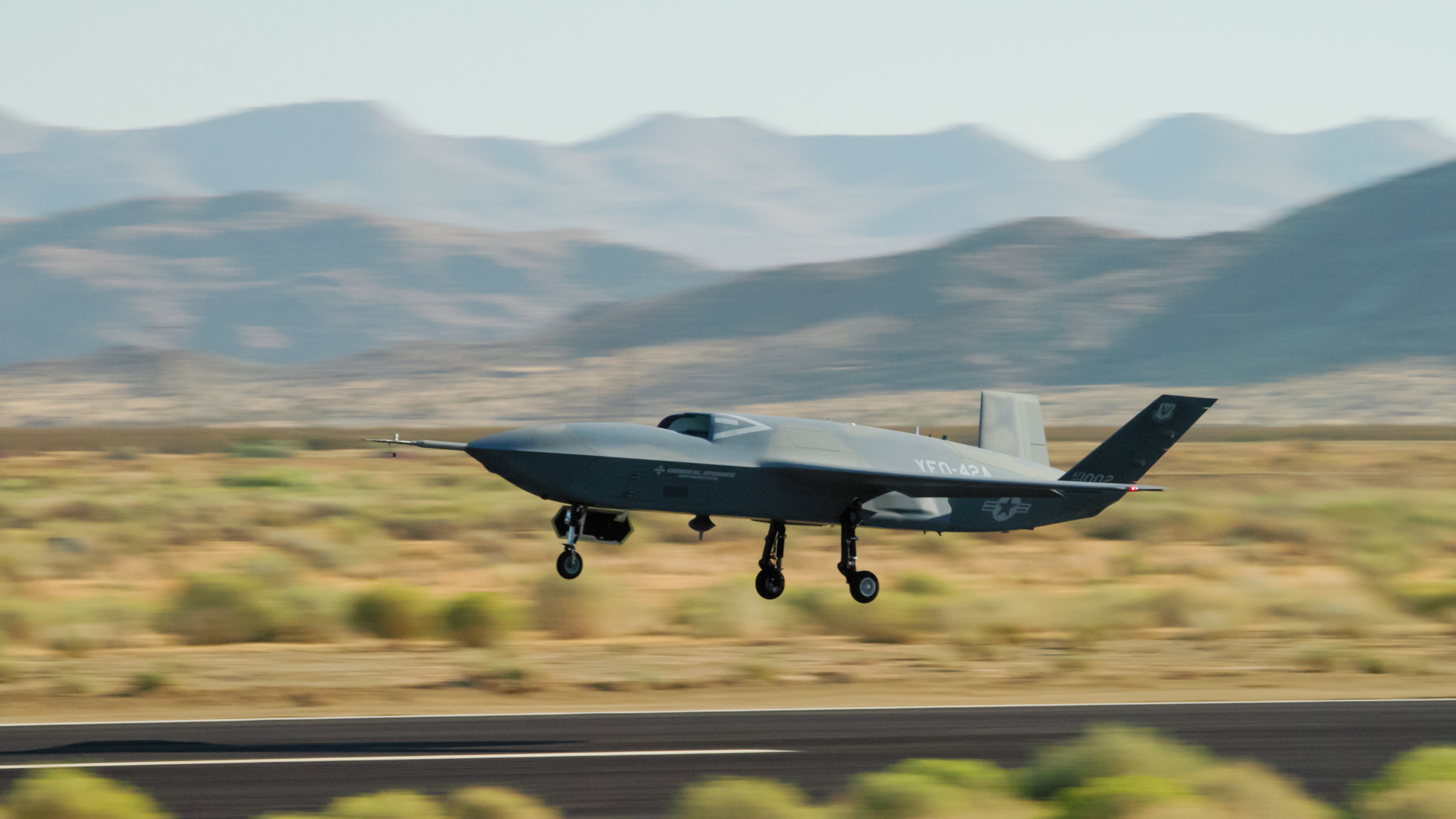
On October 10, 2023, the US Marine Corps unveiled its 2026 Aviation Plan, detailing a strategic vision that emphasizes the incorporation of unmanned aerial systems (UAS) within its operational framework. Central to this initiative is the development of a drone wingman concept, designed to enhance the capabilities of manned aircraft and improve the Marine Corps’ overall aerial combat potency. This plan outlines a phased approach to integrate drone technology, focusing on operational effectiveness, cost efficiency, and increased combat readiness in various environments.
The strategic context of this development is notable, as military forces worldwide are increasingly adopting unmanned systems to augment lethality and reduce personnel risk. The US Marine Corps' push to embrace drone wingmen aligns with trends observed among NATO allies and adversaries alike, as unmanned systems become crucial in modern warfare, adaptable for intelligence, surveillance, reconnaissance (ISR), and strike missions. This shift not only bolsters the Marine Corps’ capabilities but also signals a commitment to maintaining technological superiority against potential adversaries.
Key players in this evolving dynamic include the US Marine Corps as the principal proponent of this initiative, alongside defense contractors specializing in drone technology. Companies such as Northrop Grumman and General Atomics are expected to play pivotal roles in the development and production of these drone systems. The Marine Corps aims to leverage these partnerships to accelerate the deployment of drone wingman capabilities, fostering an operational environment where manned-unmanned teaming becomes the norm in military operations.
The implications of this advancement extend beyond US military operations, potentially influencing global defense strategies. Nations observing this development may be prompted to reevaluate their aerial combat strategies, particularly those with advanced air capabilities. The integration of drone technology can alter the tactical landscape, leading to potential shifts in regional power balances, especially in areas prone to high-intensity conflicts where air superiority is critical.
Historically, the integration of technology within military forces has often led to significant shifts in operational doctrine and strategy. The introduction of drone systems can be analogized to past advancements in air power, such as jet aircraft during the Cold War, which transformed engagement paradigms. This precedent suggests that the Marine Corps' deployment of drone wingmen may similarly redefine aerial warfare, emphasizing rapid adaptability and technological integration in future conflicts.
Analyst assessments indicate that if successful, the US Marine Corps’ drone wingman initiative could serve as a benchmark for other military forces, encouraging further investment in UAS technology globally. The forward outlook suggests a competitive race among nations to innovate and integrate unmanned systems, ultimately reshaping the future of aerial combat operations worldwide.