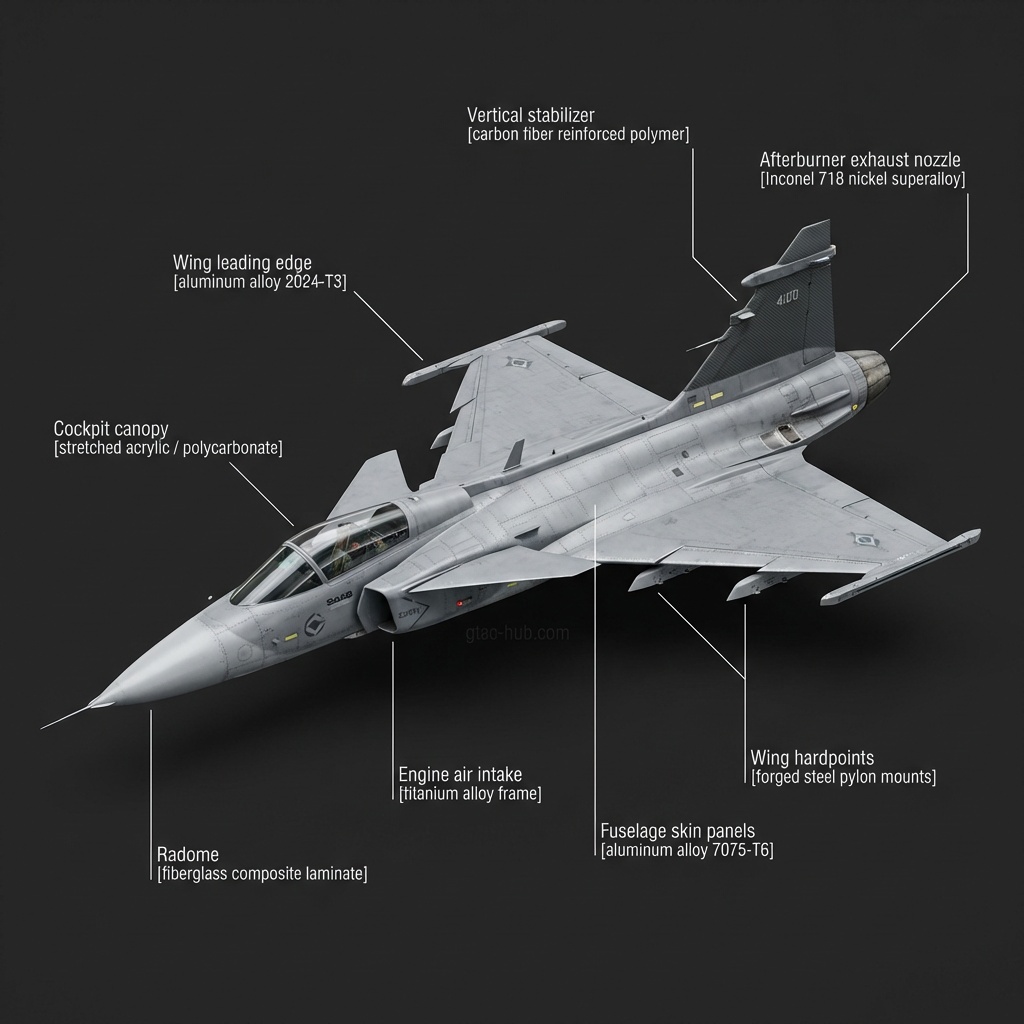
JAS 39E/F Gripen (F-39E/F Brazil)
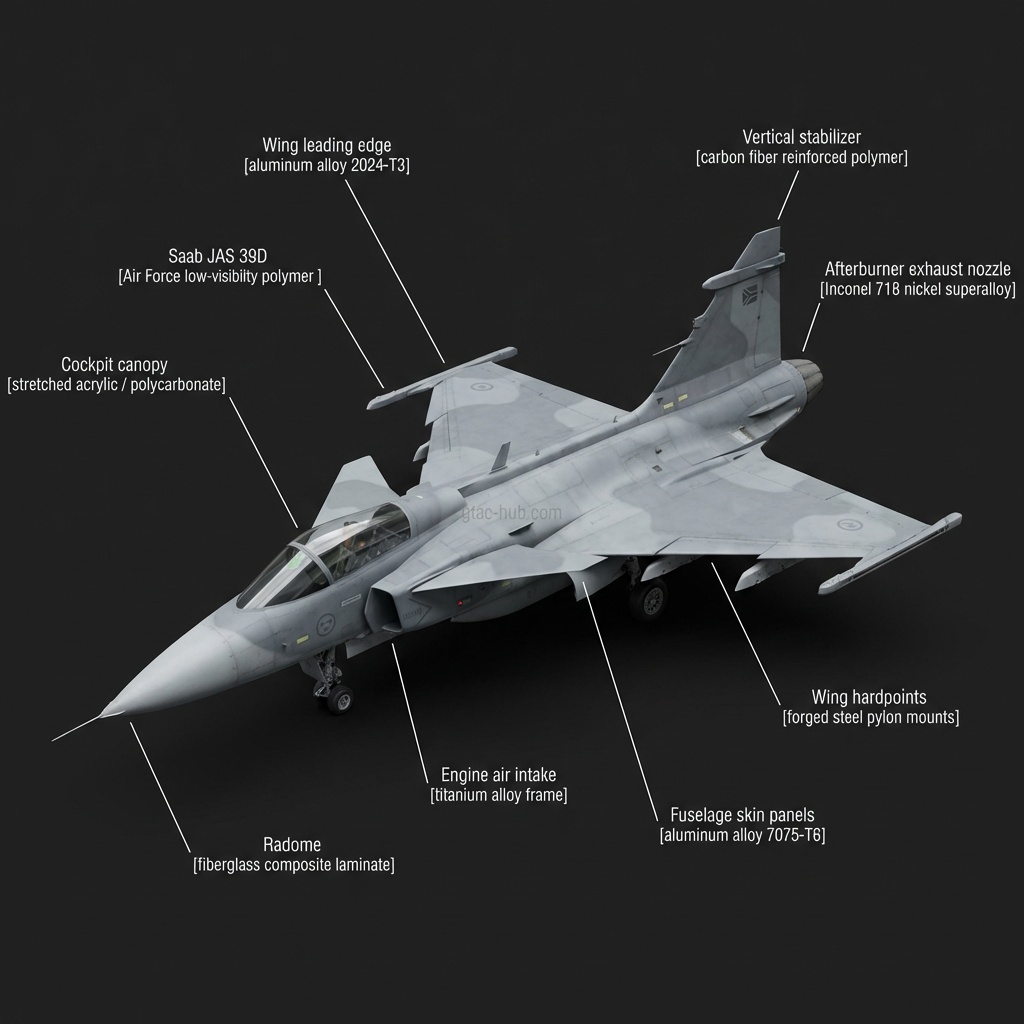
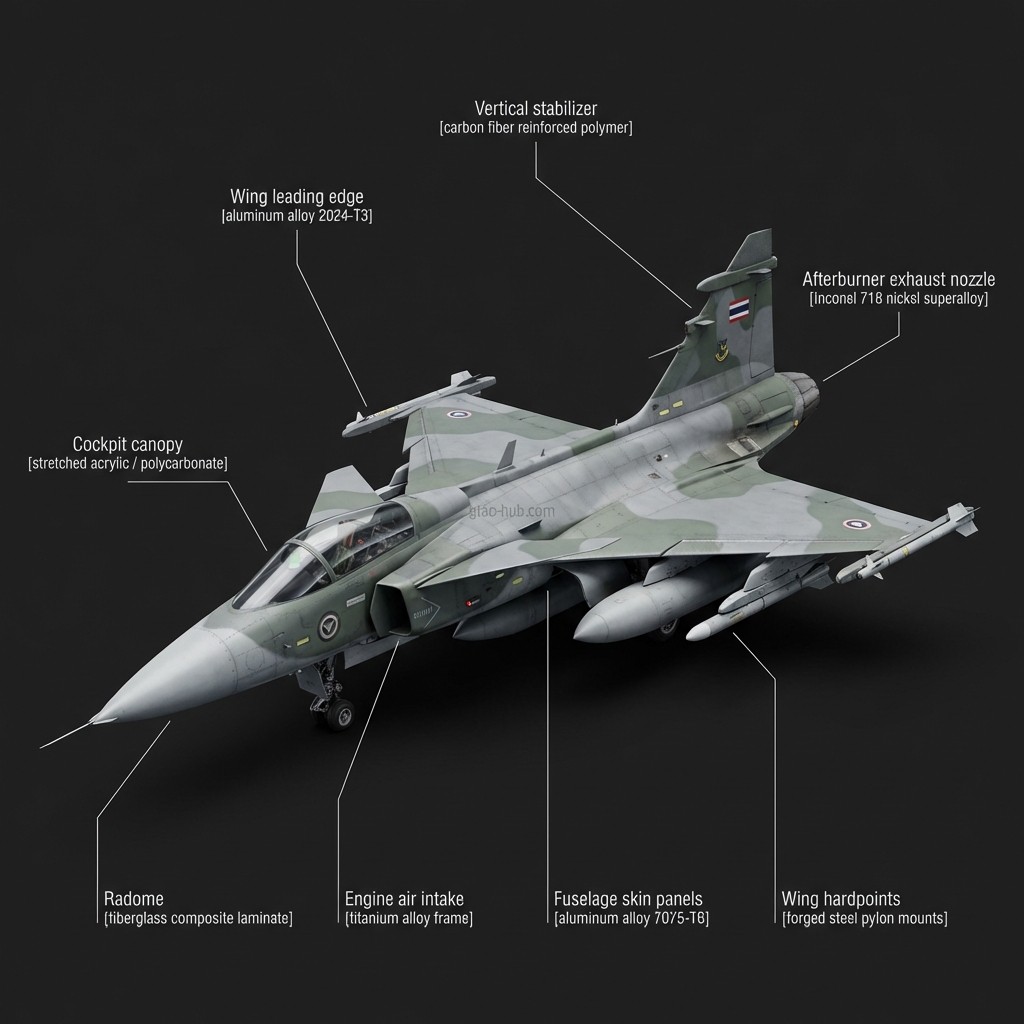
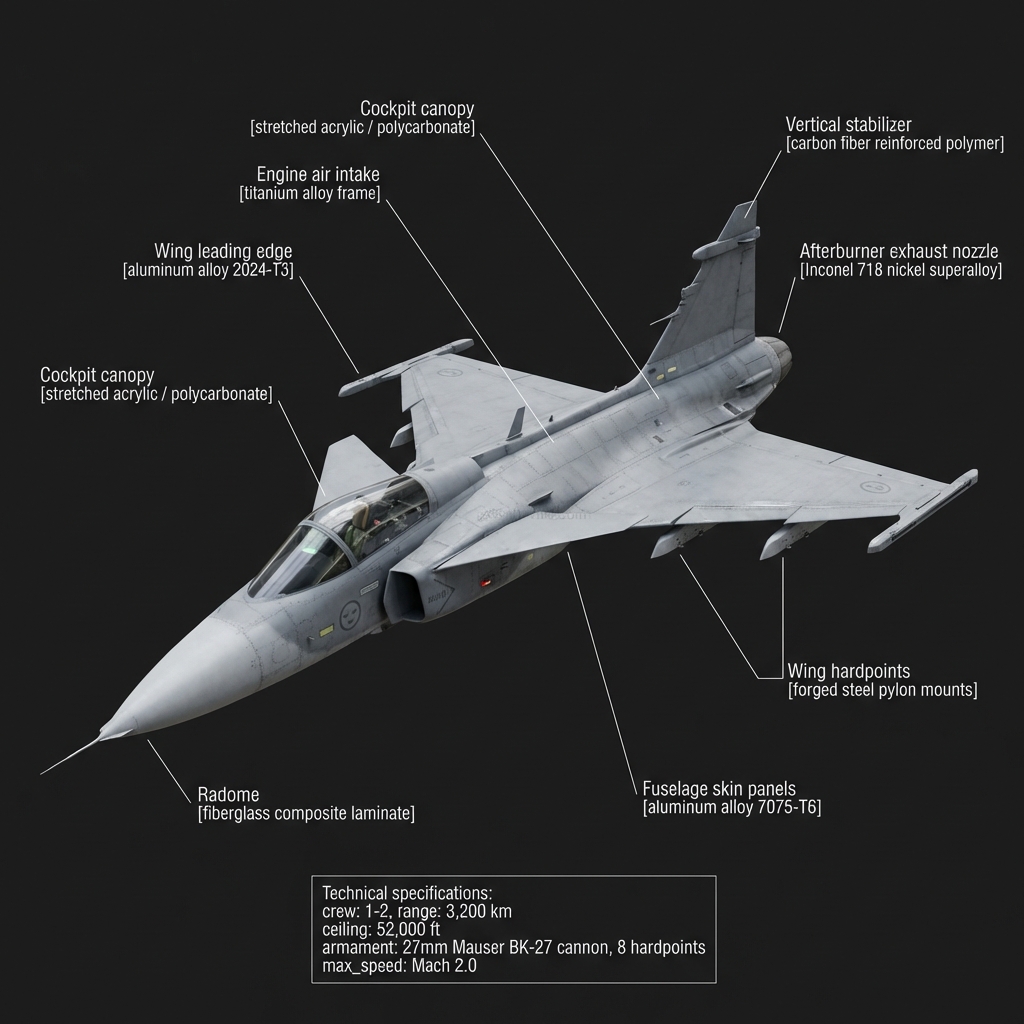
Brazilian variant of advanced Swedish Gripen E representing the most sophisticated fighter procurement in Latin American history with comprehensive technology transfer enabling domestic production and modernization capability. Brazil ordered 36 Gripen (28x single-seat F-39E, 8x two-seat F-39F) with contract signed 2014, first deliveries from 2021, achieving Initial Operating Capability 2022-2023. The programme includes unprecedented technology transfer with final assembly of all aircraft except first batch conducted at Embraer facility in Gavião Peixoto, Brazil — making Brazil the only nation outside Sweden producing Gripen. Features include advanced AESA radar with air-to-air and air-to-ground modes, comprehensive electronic warfare suite, supercruise capability (sustained supersonic flight without afterburner), network-centric warfare integration with Link 16, modern glass cockpit, and confederation of sensors providing exceptional situational awareness. Armed with Meteor beyond-visual-range air-to-air missiles (150+ km range), IRIS-T short-range AAMs, precision-guided bombs, and potentially Brazilian-developed weapons. Maximum speed Mach 2 with combat radius exceeding 1,300 km. Brazilian Gripen equipped with MAR-1 anti-radiation missiles (Brazilian-developed) for suppression of enemy air defenses. The technology transfer enables Brazilian aerospace industry to modernize Gripen throughout service life and potentially develop indigenous variants. Operates from Anápolis Air Base with First Fighter Squadron. Represents transformation of Brazilian air power from legacy fighters to fourth-generation-plus capability.


- Meteor BVRAAM provides 150+ km no-escape zone
- Full technology transfer gives Brazil source code and local assembly
- Lowest operating cost per flight hour of any Western 4.5+ gen fighter
- Supercruise capability at Mach 1.1 without afterburner
- Arexis GaN-based EW suite is among the most advanced available
- Short runway capability (800m with arrested landing)
- Single engine limits survivability over Brazil vast territory
- Smaller radar aperture than twin-engine competitors (Rafale, Typhoon)
- 36-aircraft order is small for a country of Brazil size
- Swedish origin means limited combat history
- Local production ramp-up dependent on Embraer capacity
Sign in to join the discussion and rate this weapon system
SIGN INNo comments yet. Be the first to share your analysis.