
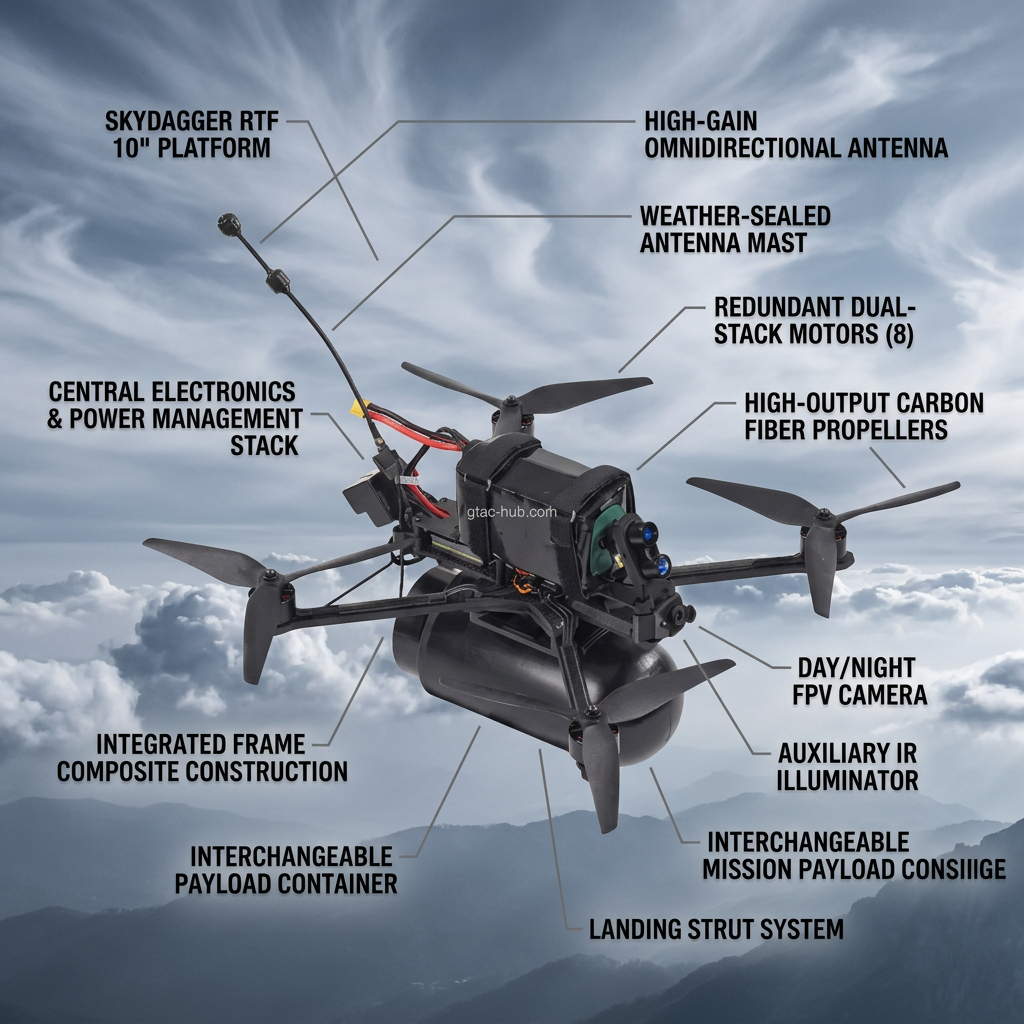
The US Marine Corps plans to deploy light loitering munitions (LLM) to operational units by June 2024. This move reflects the Marine Corps' commitment to modernizing its operational capabilities with cutting-edge technology designed for precision strikes. Currently, these advanced munitions are undergoing rigorous testing by military units at Dugway Proving Grounds in Utah.
The LLM systems being tested come from three different manufacturers, allowing for a comparative assessment of their effectiveness and reliability. This testing phase not only serves to evaluate their performance in realistic scenarios but also helps determine which model best suits the operational needs of the Marines. The tests are crucial as they aim to validate the systems' targeting precision, endurance, and compatibility with existing Marine Corps equipment.
The strategic significance of deploying light loitering munitions cannot be overstated. These systems provide enhanced situational awareness and standoff capabilities, enabling Marines to destroy targets with reduced risk to personnel. As conflicts increasingly demand high-tech solutions for rapid response and precision engagement, the integration of LLMs will play a vital role in the Marines' combat strategy, potentially altering the dynamics of ground engagements.
Operationally, the successful implementation of LLM technology could lead to a paradigm shift in how ground units conduct missions, transitioning from conventional artillery and air strikes to more precise, on-demand loitering capabilities. This advancement aligns with broader trends in defense where forces prioritize flexibility and adaptability in the face of evolving threats.
Looking ahead, the anticipated fielding of these light loitering munitions will likely enhance the Marine Corps' deterrence posture. By equipping units with advanced munitions, the Marines aim to improve their overall combat effectiveness and readiness. The completion of testing by mid-2024 will set the stage for future expansions of this technology within the US military, reinforcing the importance of innovative warfare solutions in modern conflicts.