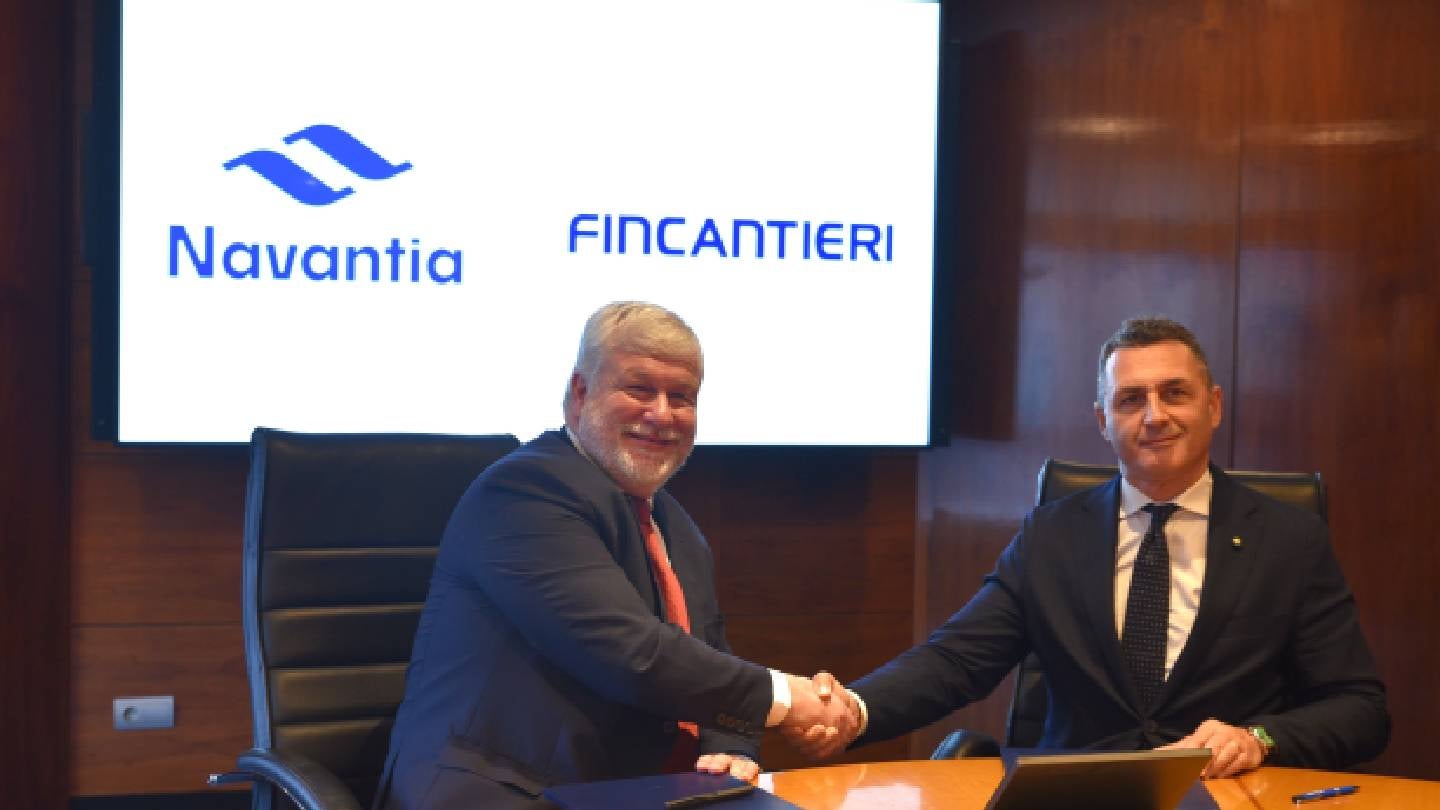
Navantia and Fincantieri have finalized a memorandum of understanding (MoU) aimed at jointly overseeing the European Patrol Corvette (EPC) project, potentially redefining competitive naval dynamics within Europe. This partnership emerges at a critical time as Europe faces evolving maritime security challenges and an aging fleet, raising alarms regarding combat readiness.
Historically, European naval projects have been marred by fragmentation and a lack of cohesive strategy, often resulting in disjointed capabilities unable to counter growing threats. Following an uptick in geopolitical tensions, notably with Russia's aggressive maneuvers in Eastern Europe and in the Mediterranean, European nations have recognized the dire need to unify their defense efforts. The EPC project is pivotal for enhancing interoperability and ensuring that member states can collectively respond to maritime crises.
This collaboration's significance cannot be overstated; it marks a crucial step toward European strategic autonomy in naval defense capabilities. As tensions in the South China Sea and the Mediterranean escalate, the ability of European nations to project power and secure their maritime interests is increasingly vulnerable. The MoU could lead to a more formidable European naval presence, safeguarding commercial lanes and enhancing deterrence against adversarial powers.
Key players in this alliance, Navantia and Fincantieri, appear to be motivated by the necessity to maintain relevance in an increasingly competitive global shipbuilding market while also addressing national security imperatives. Navantia, backed by Spain, is looking to solidify its position against rivals like BAE Systems and Thyssenkrupp, whereas Fincantieri aims to capture a larger share of the growing European defense budget. This partnership enables both companies to pool expertise, resources, and funding.
The technical specs associated with the European Patrol Corvette project are already stirring interest: the vessel is anticipated to feature advanced combat systems, stealth capabilities, and enhanced maneuverability. Initial budget estimates place the project's financial requirements at approximately €6 billion, with a projected completion timeline extending to 2028. This indicates a long-term investment in both technology and workforce capacity within Europe’s defense sector.
The consequences of this MoU may play out in multiple ways. If successful, it could catalyze similar partnerships across Europe, drawing in various shipbuilders and enhancing collective capabilities. However, failure to align national interests or achieve promised outcomes could expose member states to increased vulnerabilities, particularly if they face aggressive actions from state or non-state adversaries.
Historically, moments of military collaboration often precede shifts in power balances, as seen in the aftermath of NATO’s formation and the subsequent increase in European defense budgets post-9/11. The ambitions behind the EPC project echo similar initiatives from the 1970s and 1980s, where attempts at joint production aimed to counterbalance superpower capabilities ultimately fell short due to divergent national agendas.
Looking forward, stakeholders should monitor the project's progress closely, paying attention to the integration of technologies within NATO's broader maritime strategy. Key indicators will include budget approvals from member states, initial design drafts, and how effectively Navantia and Fincantieri navigate potential political discord during implementation. The outcome of this collaboration could reshape European naval power and influence in global maritime security dynamics.