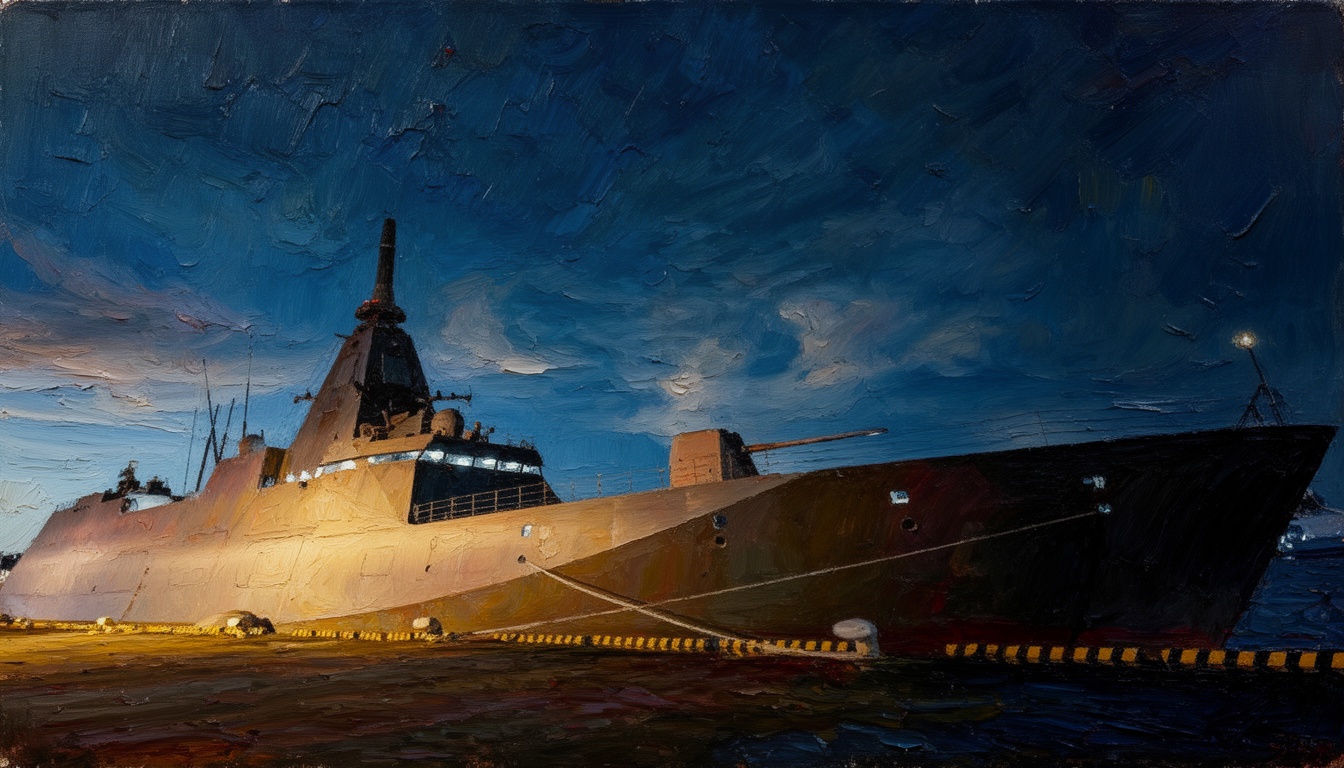

Japan has decided to share its Mogami-class warship design with India, marking a significant shift in defense collaboration between the two nations. This unprecedented move is driven by mutual security interests in the Indo-Pacific region, notably concerning maritime stability and the increasing presence of other regional powers. Analysts suggest that such cooperation not only strengthens bilateral ties but also enhances strategic alignment in response to evolving security threats.
Historically, Japan has maintained a defensive posture, restricting military exports and technical transfers. However, this shift appears motivated by growing threats in the region, especially in the face of China's expanding naval influence. India's ambition to localize its defense production and enhance its naval capabilities aligns well with Japan's readiness to deepen military partnerships, thus significantly changing the security landscape of the Indian Ocean.
The sharing of the Mogami-class design enables India to modernize its navy and expand its role as a maritime security provider in the region. Enhanced naval capabilities can help India safeguard vital sea lines of communication and contribute to collective security efforts with partners like Japan and the United States. The initiative signifies Japan's desire to play a more proactive role in regional security, reinforcing its status as a responsible stakeholder.
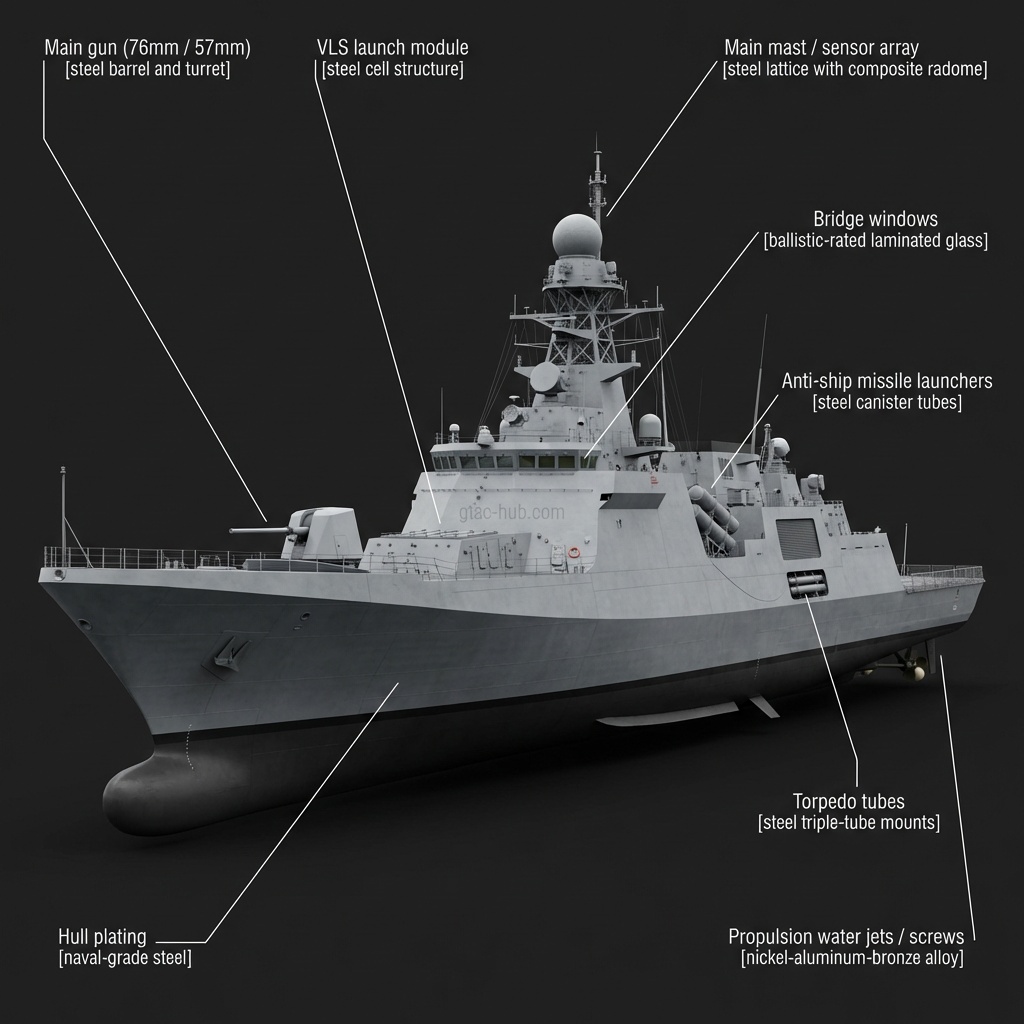
In terms of technical specifications, the Mogami-class frigate is designed for multi-role operations, featuring advanced stealth technology, lethal weaponry, and the capability for air and anti-submarine warfare. The design includes provisions for integration with advanced systems that can be configured in Indian shipyards using Japanese technology. This collaboration comes at a critical time as both nations face similar maritime challenges and seek to bolster their respective naval strengths.
As India embarks on this partnership with Japan, the implications for regional security are profound. The initiative is likely to enhance India's deterrence capabilities while simultaneously fostering stronger ties with Tokyo. As geopolitical dynamics continue to evolve in the Indo-Pacific, this collaboration could serve as a foundation for ongoing defense ties and improved maritime security cooperation across the region.