GLOBAL TACTICAL ANALYSIS CENTER
118 INFORMES CATALOGADOS -- "Japan"
Japan's unprecedented move reflects shared security interests in the region. This collaboration supports India's defense production goals and enhances its navy's capabilities.
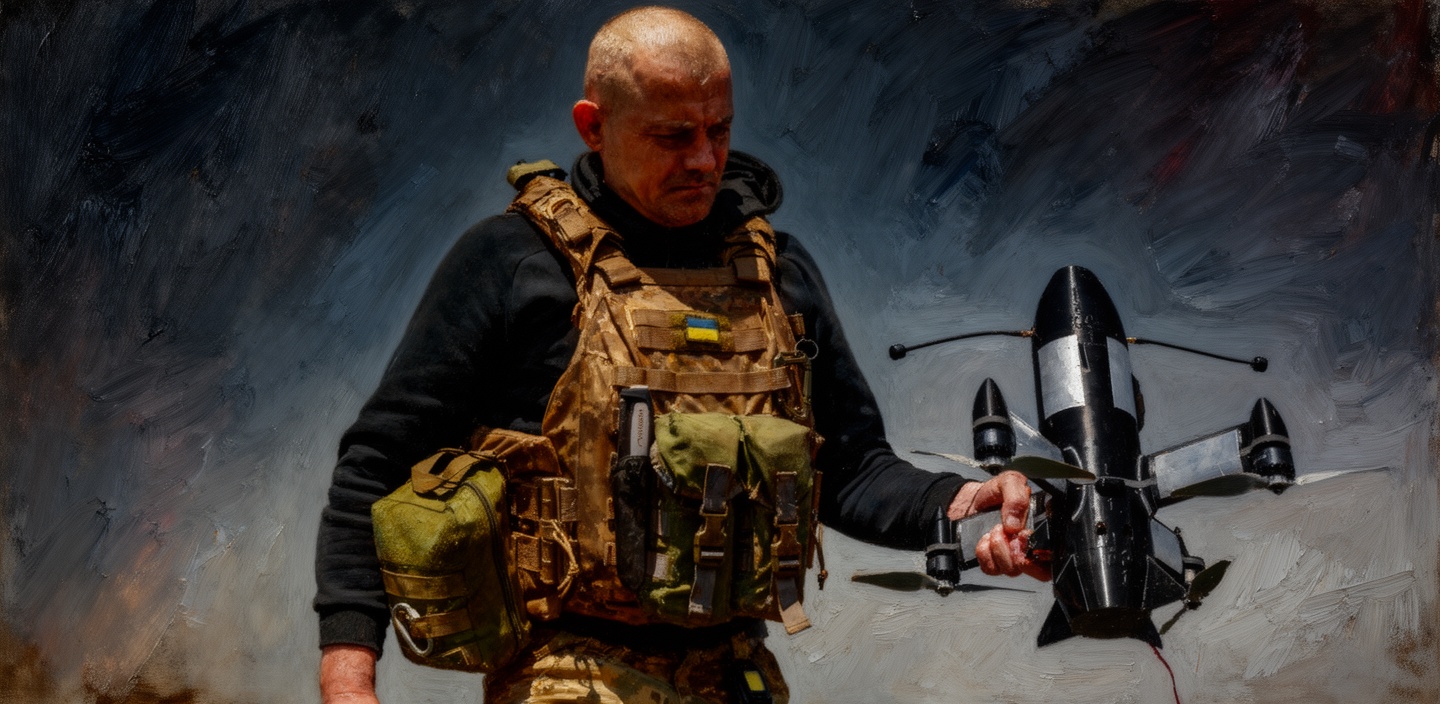
Terra Drone's investment in Ukraine signals growing collaboration in defense technology, enhancing capabilities amid ongoing regional tensions.
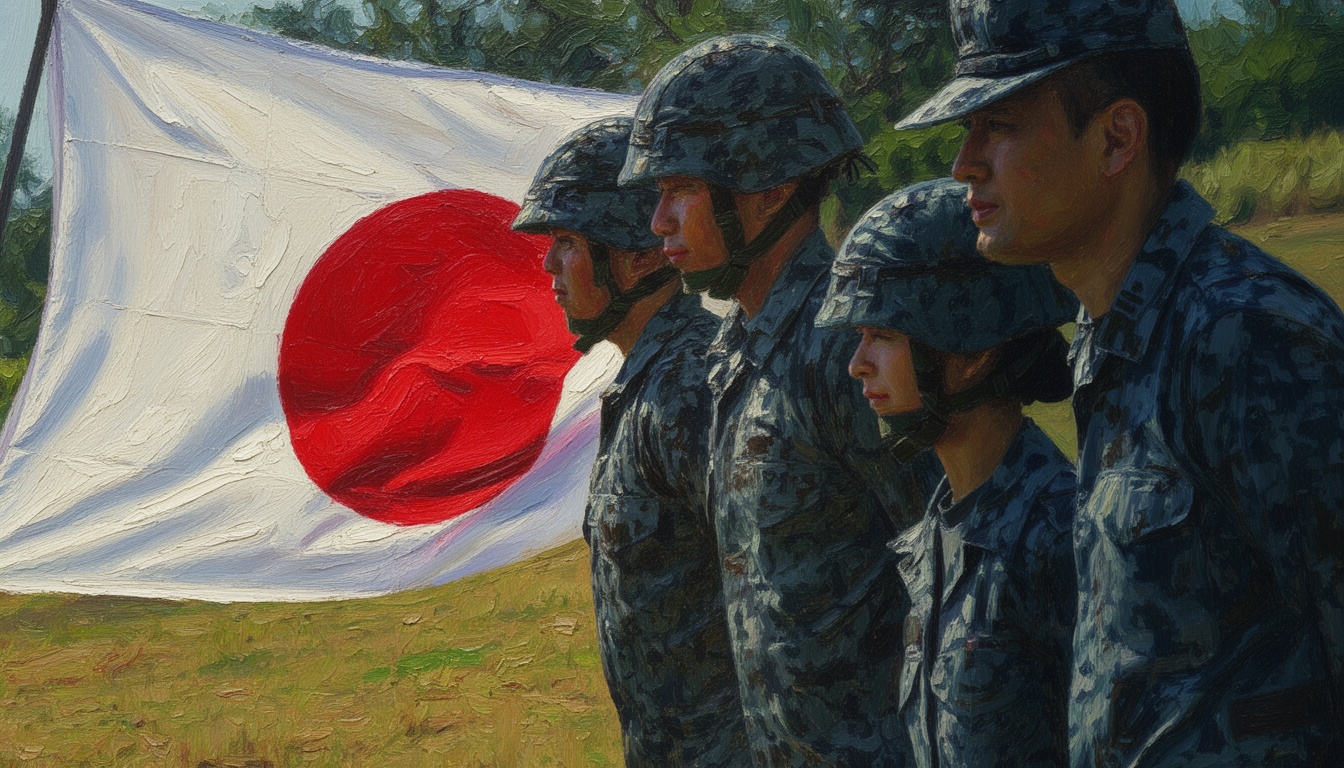
Japan is set to enhance its military capabilities to counter geopolitical threats, particularly from China.
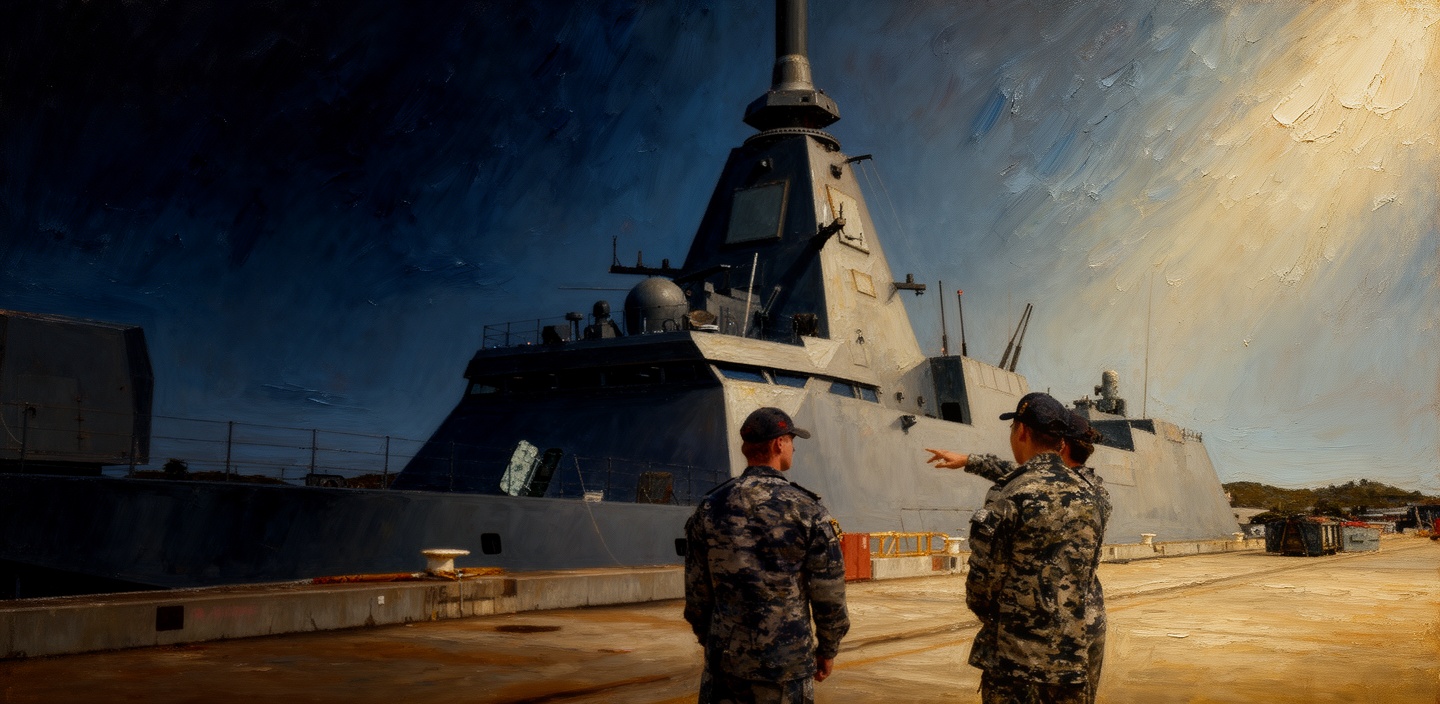
The Japan Maritime Self-Defense Force (JMSDF) implemented a major organizational reform at the end of March 2026. As part of this restructuring, it established the Patrol and Defense Group (哨戒防備群) and assigned some of its most modern surface combatants, including the Mogami-class frigates, to this formation. This newly established Patrol and Defense Group carries significant ... The post JMDSF sets up Patrol and Defense Group with Mogami-class vessels appeared first on Naval News.
A weekend briefing highlights China’s potential shift to a nuclear-powered carrier and ongoing tech competition with US scrutiny over dual-use hardware. It also notes a fatal incident involving Japan’s Type 10 tank and civilian distress surrounding Hong Kong media, underscoring a widening security matrix in Asia. The collection signals rising capability gaps, deterrence challenges, and the risk of rapid escalations in multiple theaters.
Japan signals intent to broaden defense exports by leveraging the Mogami-class frigate as a scalable platform. The move would test Tokyo’s post‑exports policy and could reshuffle regional naval balance, contingent on partner approvals, financing, and technology transfer limits.
A US Navy sailor en route to a Middle East deployment sustained injuries from a monkey attack in Thailand. The individual was evacuated to Japan for medical care. The incident raises questions about force readiness and travel risk management for ongoing deployments.
The IAEA warns that regional security dynamics and the shifting nuclear debate in South Korea and Japan could alter the balance of deterrence in East Asia. A renewed focus on indigenous weapons capabilities challenges decades of nonproliferation norms and alliance-based assurances. The potential trajectory carries broad implications for U.S. extended deterrence and regional stability.
Japón relaja controles de exportación de armas para mejorar interoperabilidad con socios en el Indo-Pacífico. La medida busca alinear la industria de defensa con operaciones conjuntas y cadenas de suministro regionales. Analistas advierten posibles riesgos de seguridad y controles de tecnología sensible.
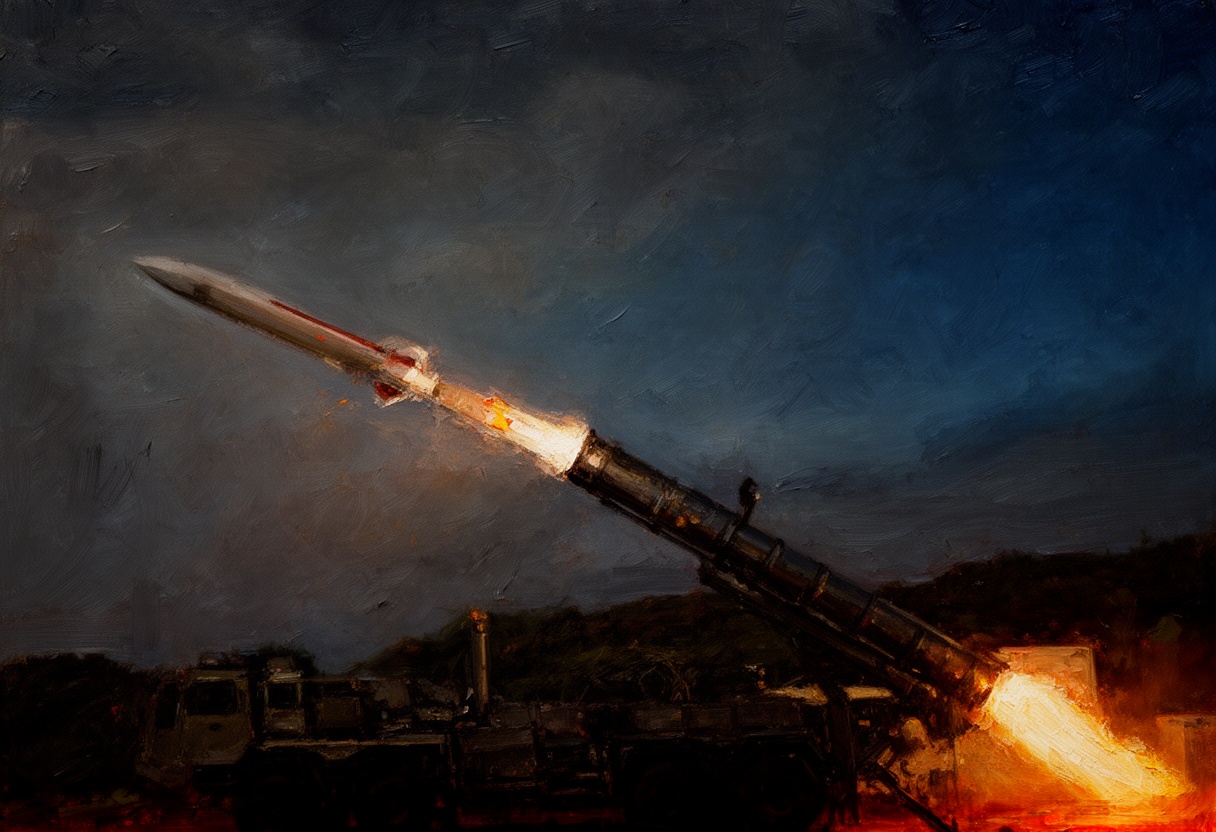
Japón planea desplegar varios misiles de defensa costera avanzados para 2032 y avanzar hacia un sistema guiado hipersónico. El impulso amplía las capacidades de defensa de islas ante tensiones en el Indo-Pacífico y un panorama de seguridad cambiante. Marca un cambio claro respecto a la postura tradicional de defensa exclusiva de Tokio.
Tokio está ampliando su postura defensiva para crear una muralla sur más capaz frente a amenazas regionales. El entorno de seguridad es descrito como el más severo y complejo desde 1945, lo que impulsa cambios constitucionales y de gasto. La reconfiguración fortalece la alianza con Estados Unidos y redefine el equilibrio regional en Asia Oriental.
Quince años tras el desastre, municipios costeros de Daiichi abrazan un turismo de esperanza. Visitantes recorren sitios previamente evacuados, mientras las autoridades equilibran memoria, riesgo e inversión. El renacer invita a replantear seguridad, confianza y el papel de la energía en Japón.
Comprehensive military weapons database with 1000+ systems. Enable JavaScript for the full experience.