
American multi-role fighter serving as Royal Thai Air Force workhorse with Mid-Life Update modernization extending service life. Thailand operates approximately 40+ F-16A/B acquired 1980s-1990s with MLU upgrades providing modern avionics, improved radar, structural life extension, modern weapons integration. Features beyond-visual-range capability with AIM-120 AMRAAM, precision weapons, Link 16 datalink, night vision capability. Backbone of Thai air defense operations including air policing, maritime patrol, counter-insurgency support in southern provinces. However, aging airframes require replacement with Gripen procurement addressing capability gap. Represents long-standing US-Thai security partnership though relationship complicated by Thai political instability and China engagement. Close US training cooperation including Red Flag exercises enhances effectiveness. Critical for Thai air operations until Gripen fully operational. Symbolizes Thai dependence on American military equipment despite procurement diversification efforts.



- Mid-Life Update brings AMRAAM BVR capability to early F-16 airframes
- Advanced avionics: new MFDs, JHMCS helmet cueing, Link 16 datalink
- Large existing fleet; NATO logistics and support infrastructure
- Cost-effective upgrade path versus buying new aircraft
- Retained full multirole capability: air-to-air and precision strike
- APG-66(V)2 is modernized but still mechanically scanned; inferior to AESA
- Block 15 airframes have accumulated significant flight hours
- Single engine design limits survivability over water and hostile territory
- Older structural design limits future upgrade potential vs. Block 50/70
- Being replaced by F-35 in most Western inventories
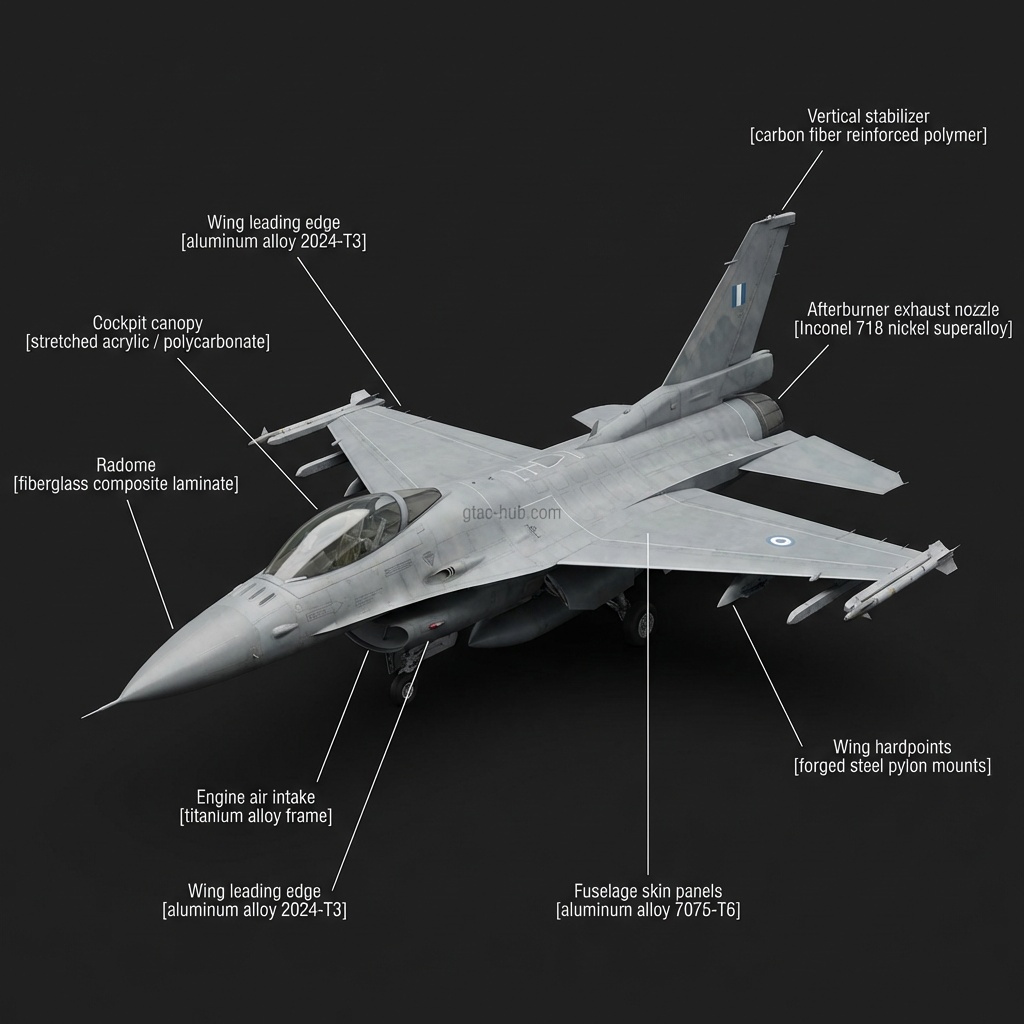
F-16 Viper Block 70/72
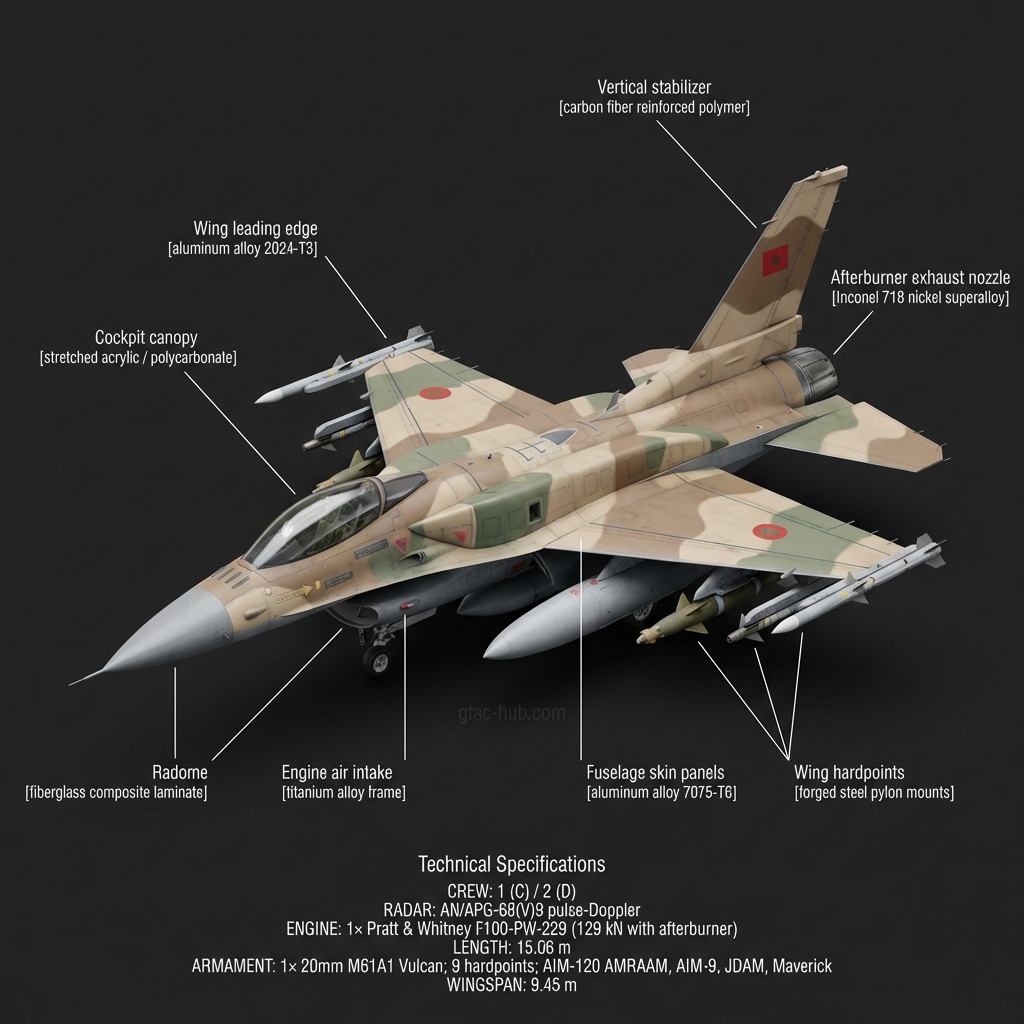
F-16C/D Block 52+
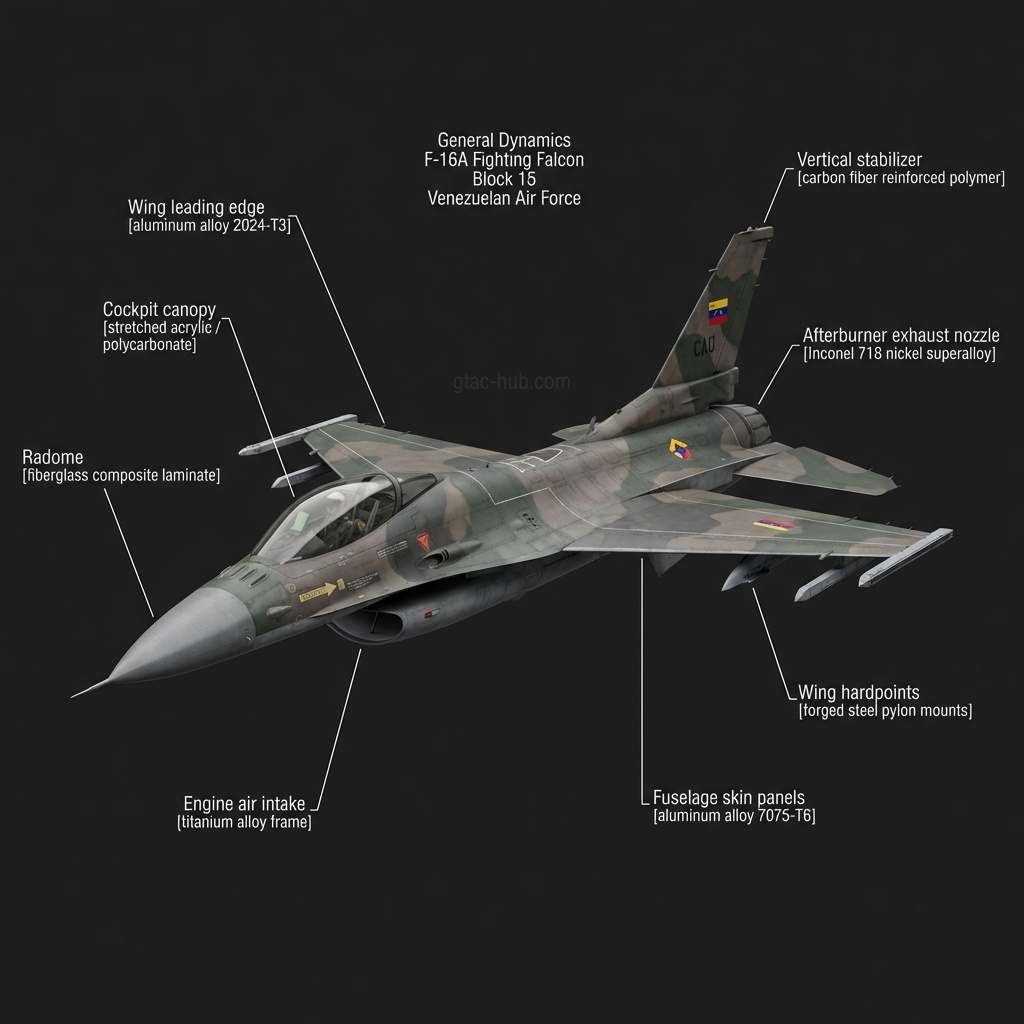
F-16A Fighting Falcon Block 15
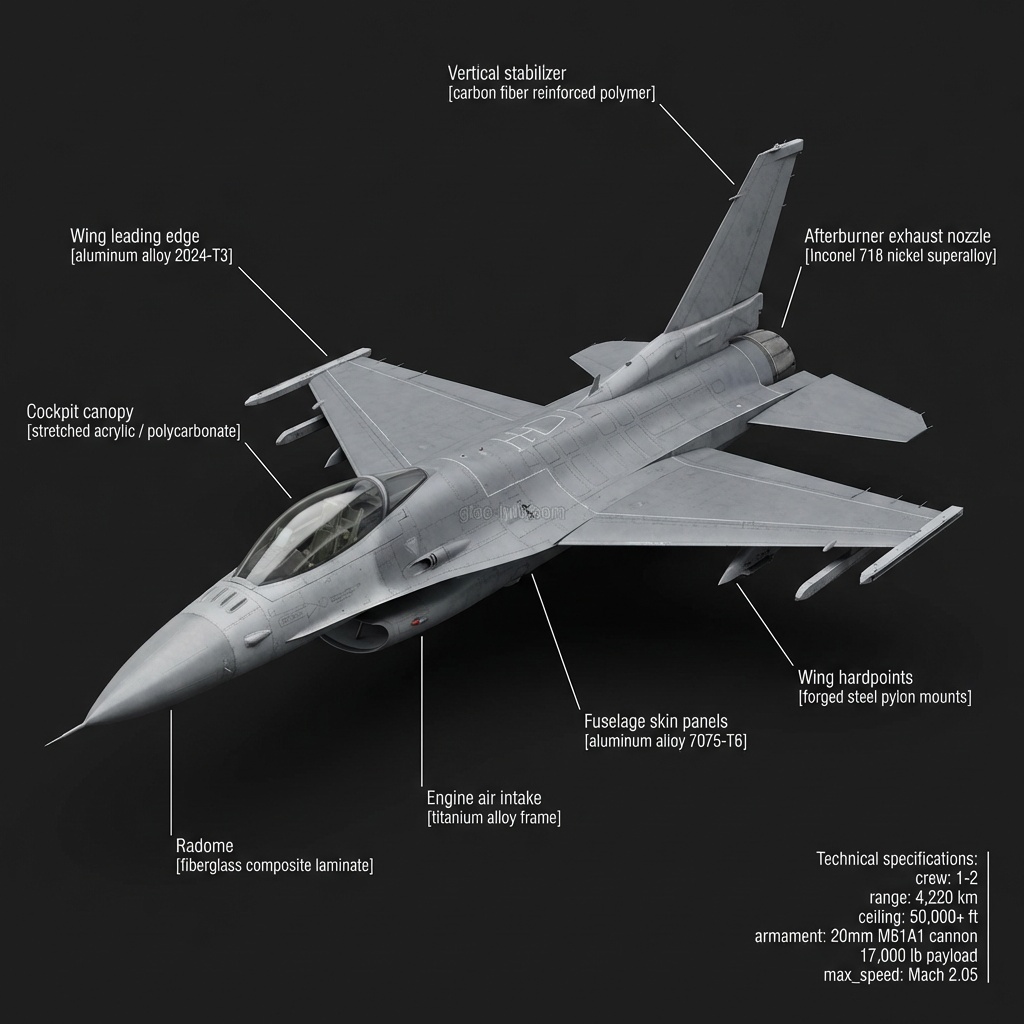
F-16E/F Block 60 Desert Falcon
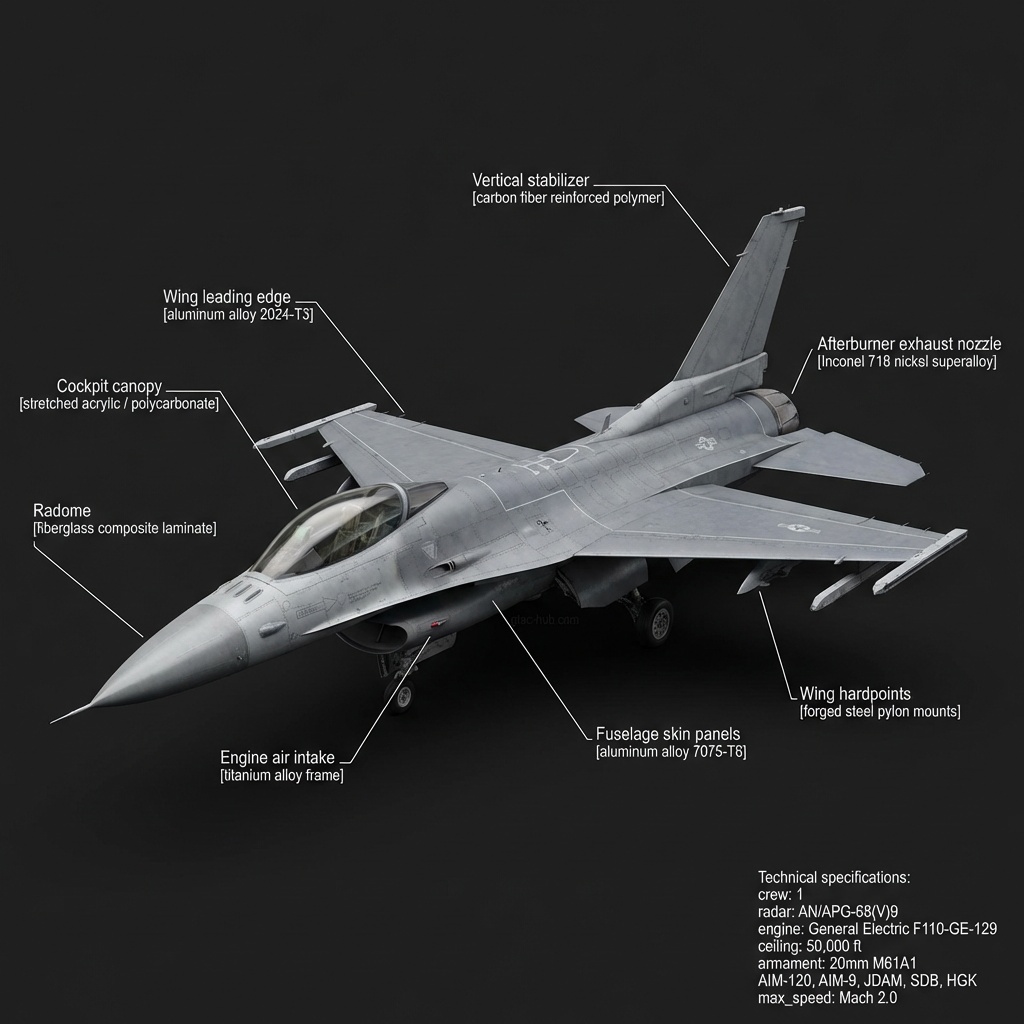
F-16C Block 50 TR
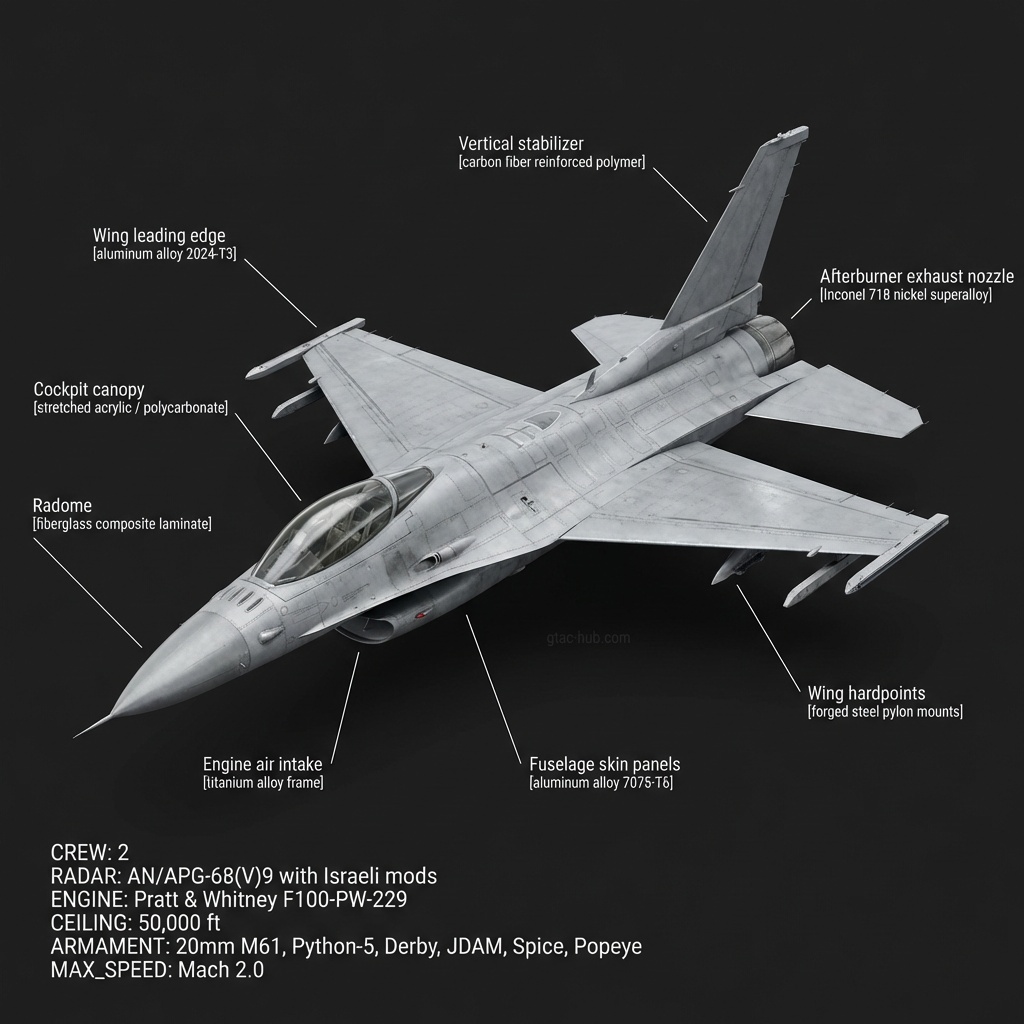
F-16I Sufa
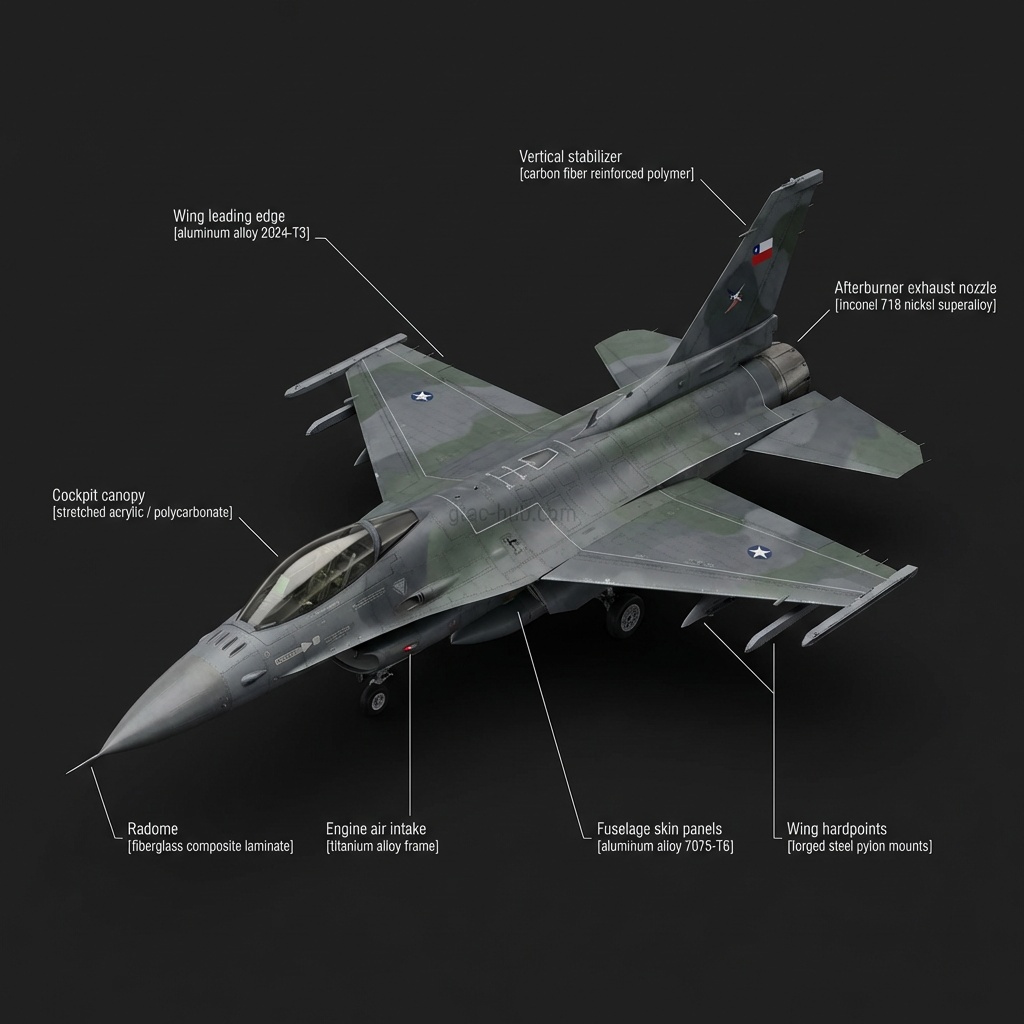
F-16 C/D Block 50+
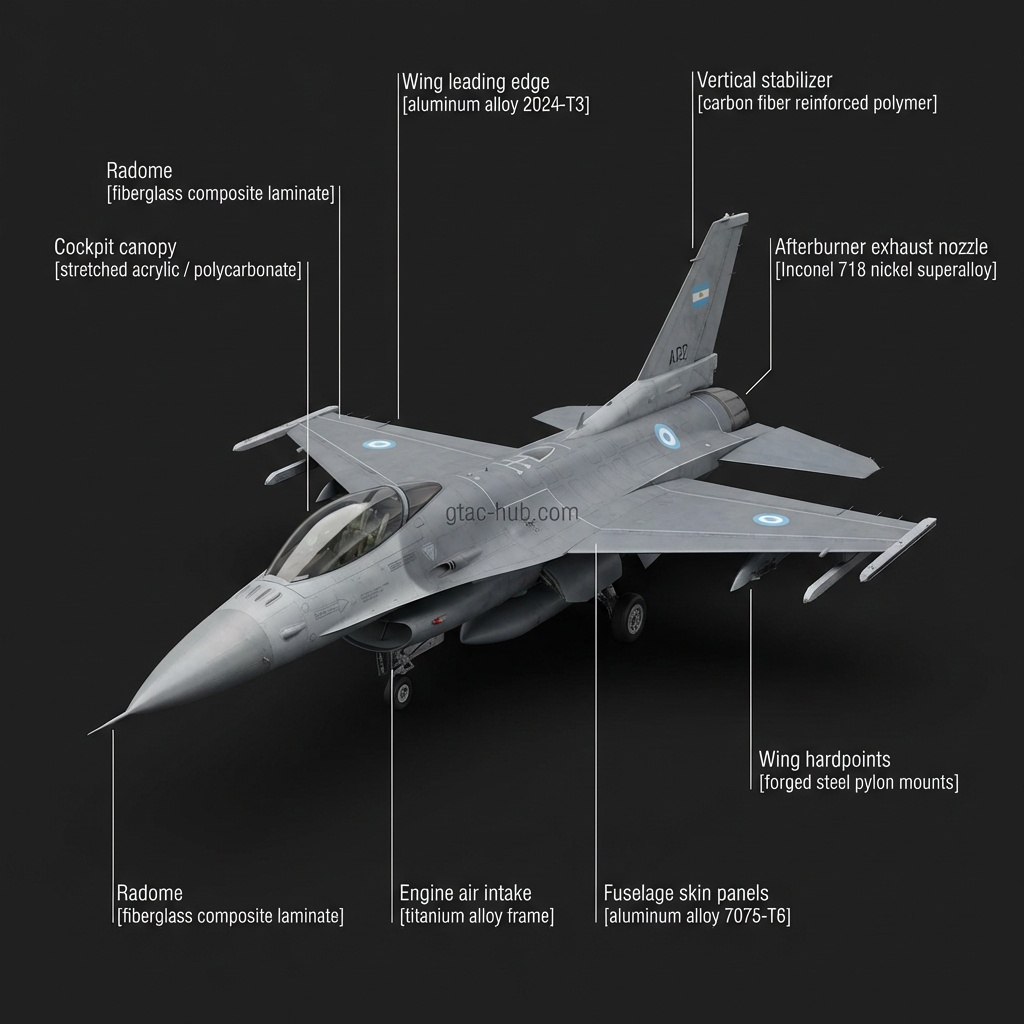
F-16 Fighting Falcon Block 15 MLU
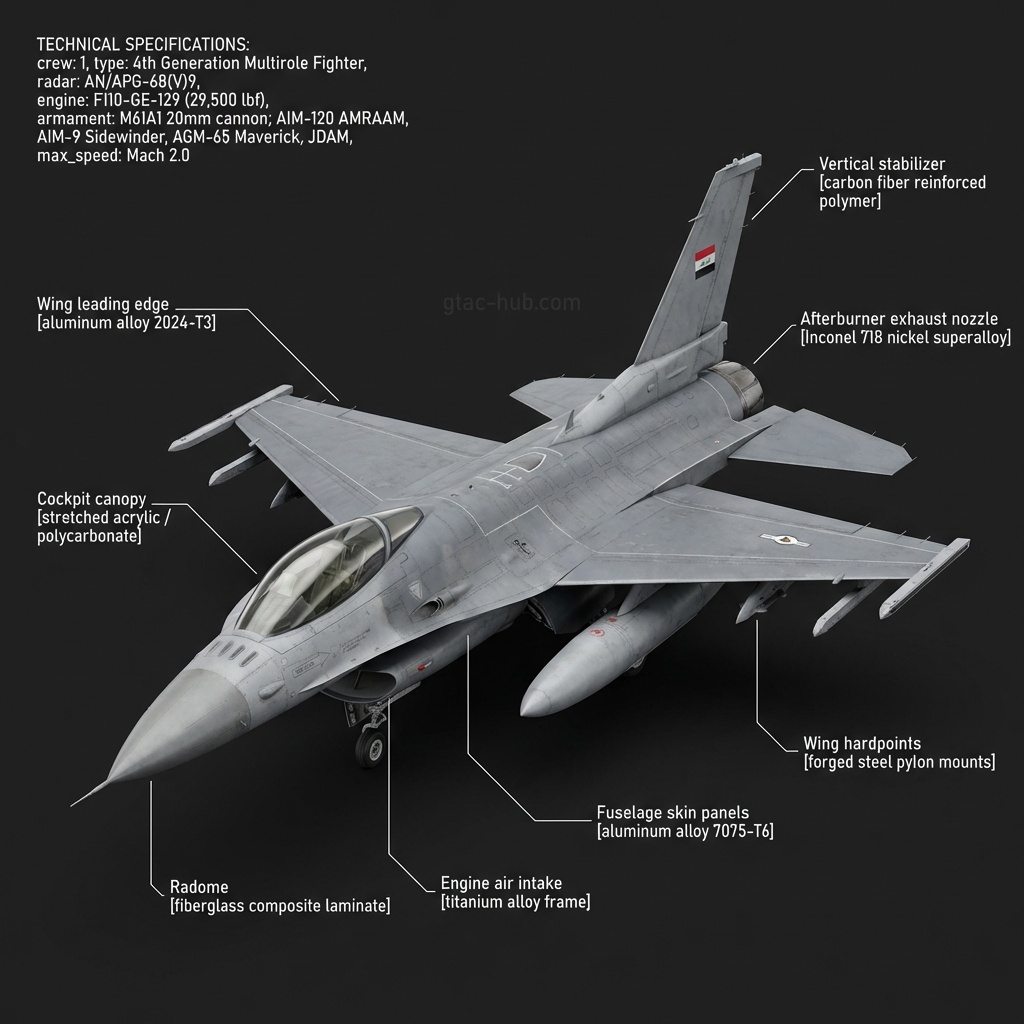
F-16IQ Block 52
F-16 Fighting Falcon
Parent System


Sign in to join the discussion and rate this weapon system
SIGN IN


Protection level against contemporary ATGM threats is the defining metric here, and these figures hold up well.