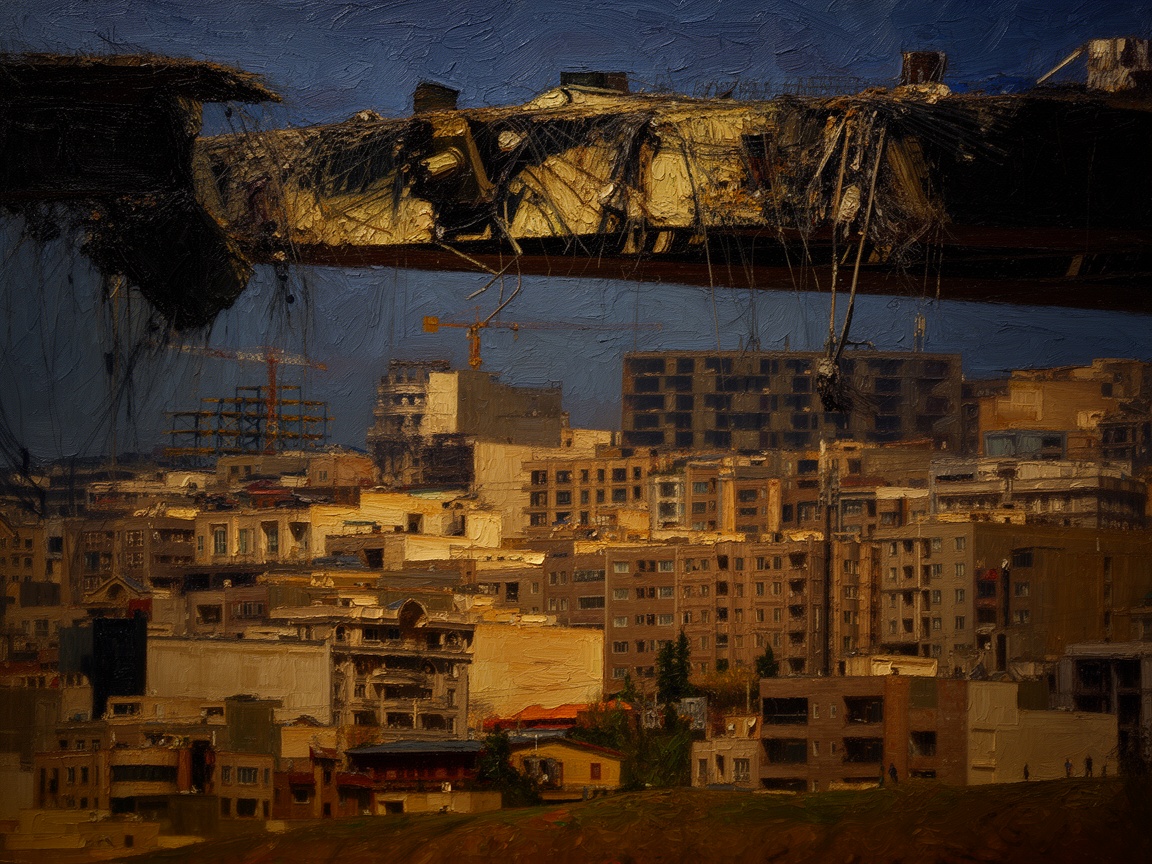
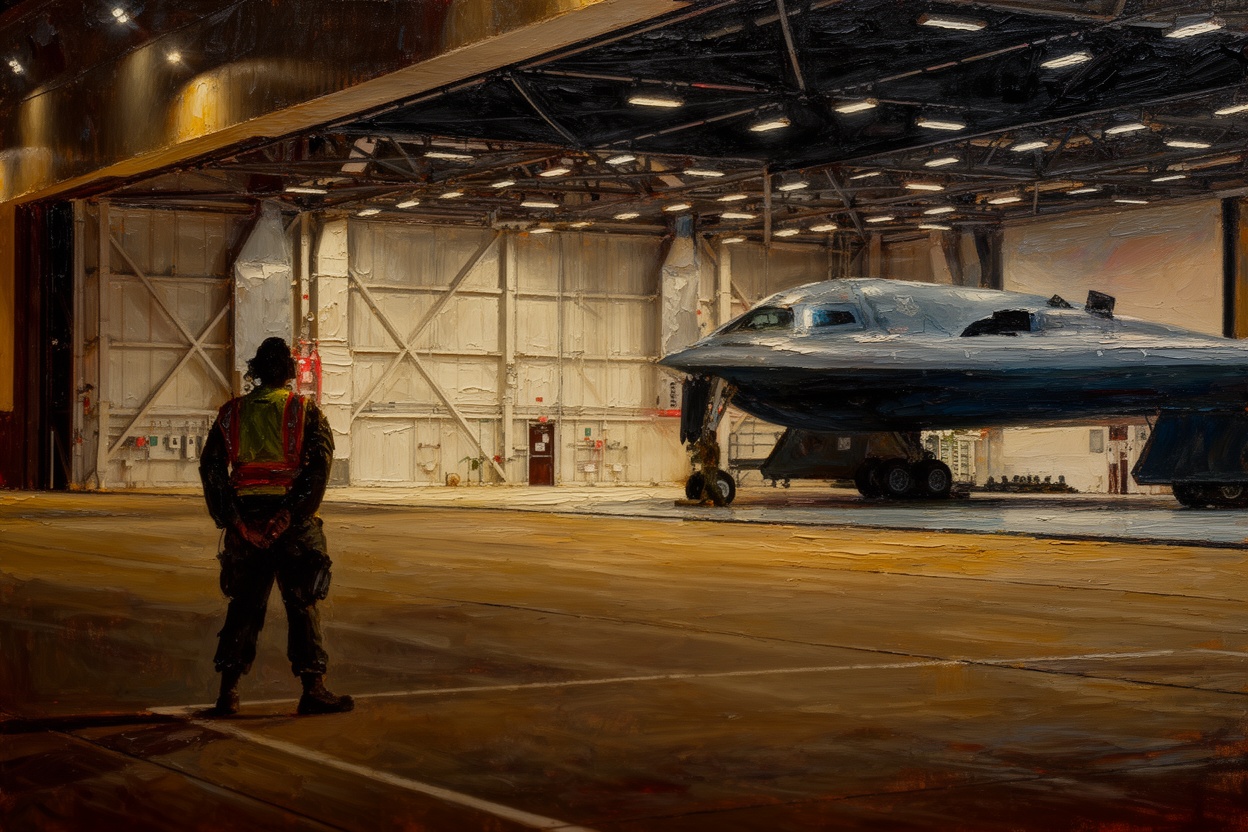
In a striking show of force, the United States has deployed an additional 2,500 Marines to the Middle East, signaling a precarious moment as the Iranian Revolutionary Guard Corps (IRGC) and Basij forces face potential collapse. This military escalation follows a missile attack on a helipad located within the US Embassy compound in Baghdad, intensifying hostilities in a conflict now entering its third week. Additionally, debris from an intercepted Iranian drone has impacted an oil facility, underscoring the escalating threat from Iran's expanding operational capabilities.
The backdrop to this crisis includes longstanding tensions between the US, Israel, and Iran, which have endured for decades but have rapidly escalated since hostilities recommenced in early October. The IRGC has increasingly been the focus of US and Israeli military strategies aimed at crippling Iran's influence in the region, particularly as Iran has made aggressive moves in Iraq and Syria to project power. The persistent support of Iran to proxies in neighboring countries has only fueled regional volatility, placing US interests and personnel at risk.
The significance of US military deployment cannot be understated. With more than 20,000 US troops already present in the region, the introduction of additional forces represents a shift towards a more confrontational posture amid fears that Iranian forces are preparing to retaliate following escalating losses and strategic setbacks. The US military’s direct engagement risks igniting a wider conflict, particularly as Iranian forces scramble to reassert their influence in the aftermath of recent strikes against them.
Key players in this unfolding drama, including the US, Iran, and Israel, have divergent objectives. The US aims to deter Iranian aggression while reassuring its allies in the region, particularly Israel, which has been actively targeting Iranian assets. Iran, struggling with internal turmoil and military pressures, may resort to desperate measures, including the use of asymmetric warfare tactics through its proxies. The fragility of the IRGC's state-sponsored structure looms large, as it struggles to maintain cohesion amidst battlefield losses.
Operationally, this situation becomes ever more complex. The US forces comprise both ground units and airpower, primed for rapid deployment, aimed primarily at countering Iranian drone and missile threats. Surveillance and reconnaissance missions are now intensified, with advanced systems like MQ-9 Reapers patrolling the skies to gather actionable intelligence on Iranian movements. The unending cycle of military engagement brings significant budget implications, as spending on warfighting readiness continues to rise amid an increasingly volatile regional landscape.
Potential consequences of this escalation include heightened conflict between US forces and Iranian combatants, further deterioration of Iran's military infrastructure, and potential attacks on US and allied installations across the region. The permeating uncertainty fosters an environment rife for miscalculations, which could spiral into unintended declarations of war. As regional tensions swell, the specter of broader conflict remains a constant undercurrent.
Historically, this scenario echoes the US military posture in the Persian Gulf during the early 1990s, where adversarial relations and regional instabilities prompted significant troop deployments. The Persian Gulf War serves as a chilling reminder of how rapid escalations can lead to widespread warfare. Observing parallel patterns provides valuable lessons but also raises alarms about repeating the past in a world of hyper-aggressive state actors.
As this situation develops, key indicators to monitor are the behaviors of Iranian leadership in response to US deployments, potential retaliatory actions, and any new developments in regional alliances. Intelligence assessments should focus on troop movements, logistics, and diplomatic interactions surrounding US forces as tensions crackle. An undeniable pivot point is underway, one that will shape not just the Middle East but the global security landscape in the potentially explosive weeks ahead.