DRDO TAPAS-BH-201 (Rustom-II)
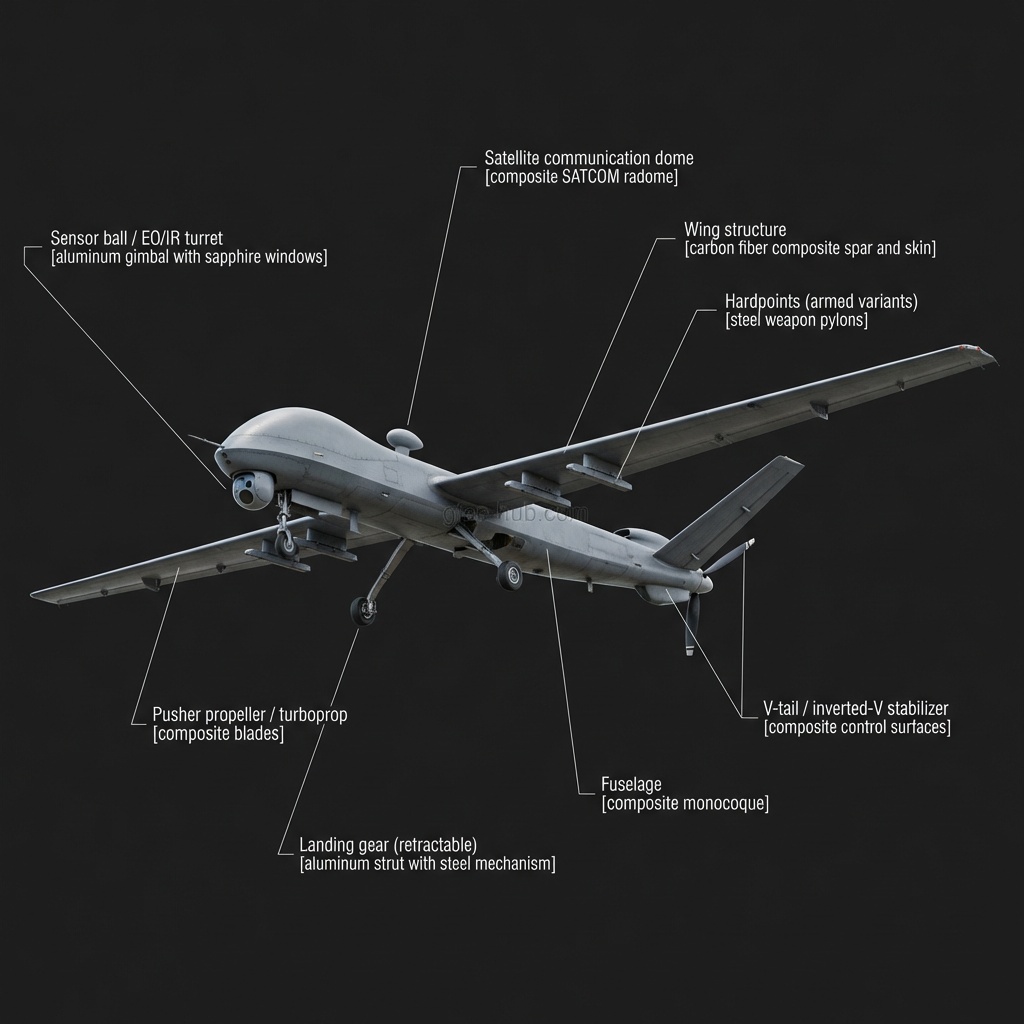
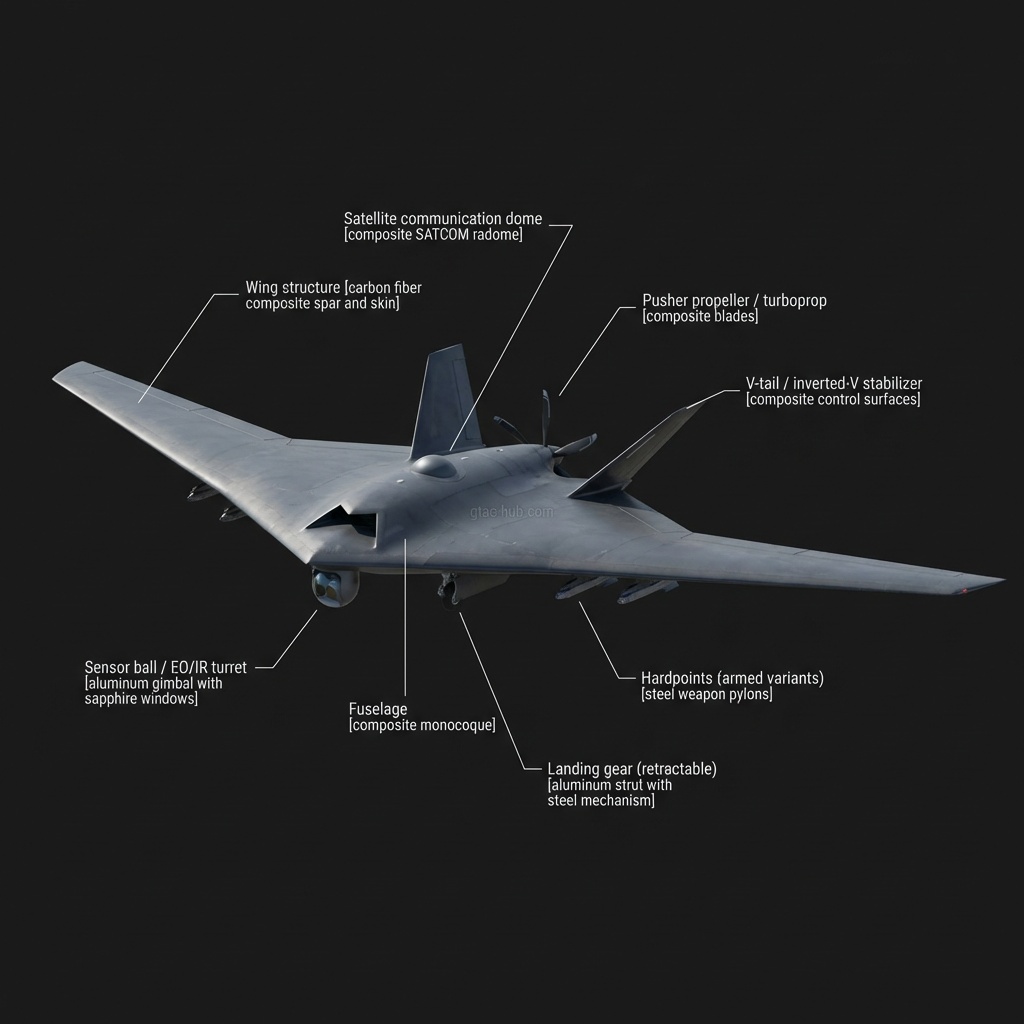
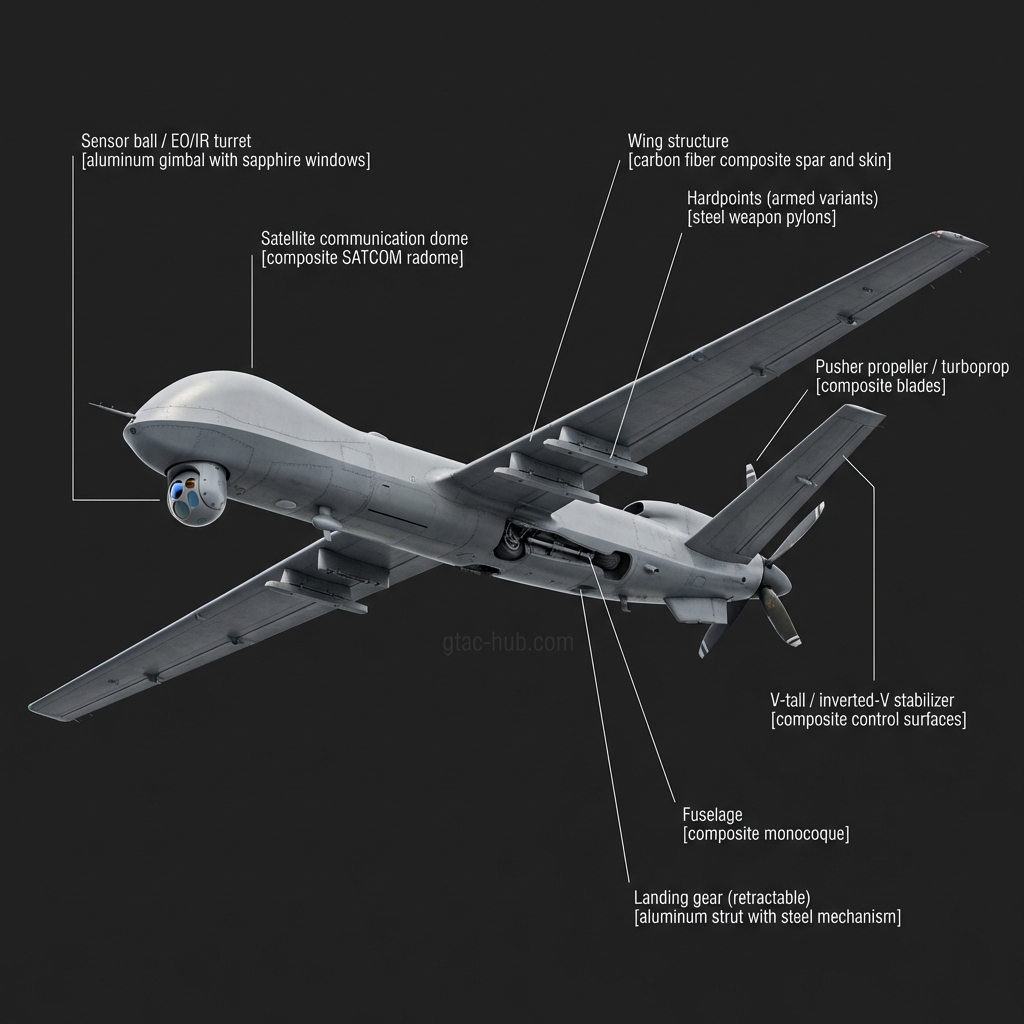
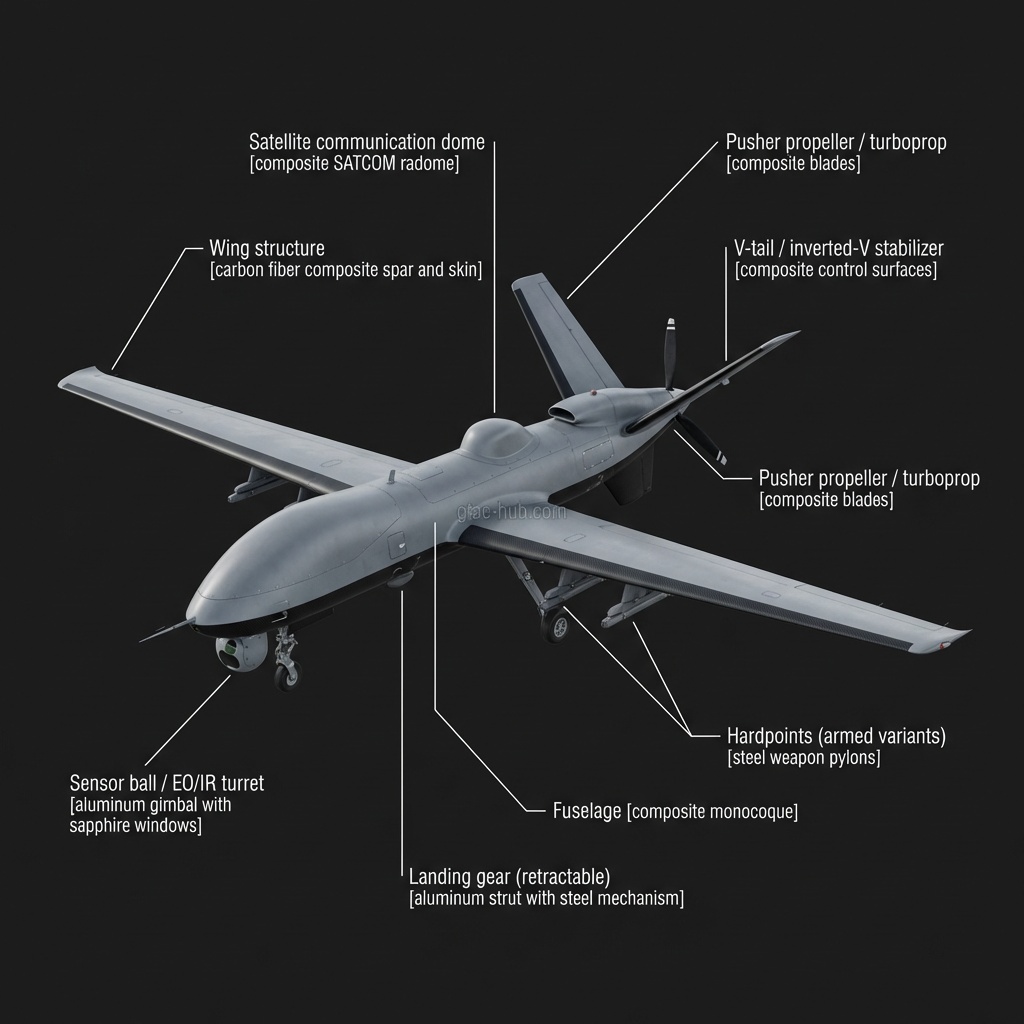
India's indigenous Medium-Altitude Long-Endurance (MALE) unmanned aerial vehicle designed to provide strategic ISR, signal intelligence, and armed reconnaissance capability. The TAPAS (Tactical Airborne Platform for Aerial Surveillance) features a 20.6-metre wingspan with a twin-boom pusher configuration, maximum takeoff weight of 1,800 kg, endurance exceeding 24 hours, operational altitude of 28,000 feet, and satellite datalink for beyond-line-of-sight control. Payload capacity of 350 kg supporting multiple sensor configurations including synthetic aperture radar (SAR), electro-optical/infrared turrets, electronic intelligence (ELINT), communications intelligence (COMINT), and maritime patrol radar. The armed variant can carry precision-guided munitions and laser-guided bombs. TAPAS addresses India's critical shortage of long-endurance surveillance UAVs and aims to reduce dependence on Israeli Heron systems. Development has faced delays but the system achieved extended endurance flights in 2024. Indian armed forces plan significant orders once developmental trials are completed.


- Indigenous MALE-class UAV reduces reliance on imported platforms (Heron, MQ-9)
- Multi-sensor payload architecture (EO/IR, SAR, SIGINT)
- Dual-engine configuration provides redundancy over extended missions
- Long endurance enables persistent border surveillance over LAC and LoC
- Prolonged development cycle — program started ~2011 with repeated delays
- Performance lags behind MQ-9 Reaper and Heron TP class
- No confirmed armed variant in current plans
- Certification and reliability issues have delayed military induction
Sign in to join the discussion and rate this weapon system
SIGN INNo comments yet. Be the first to share your analysis.