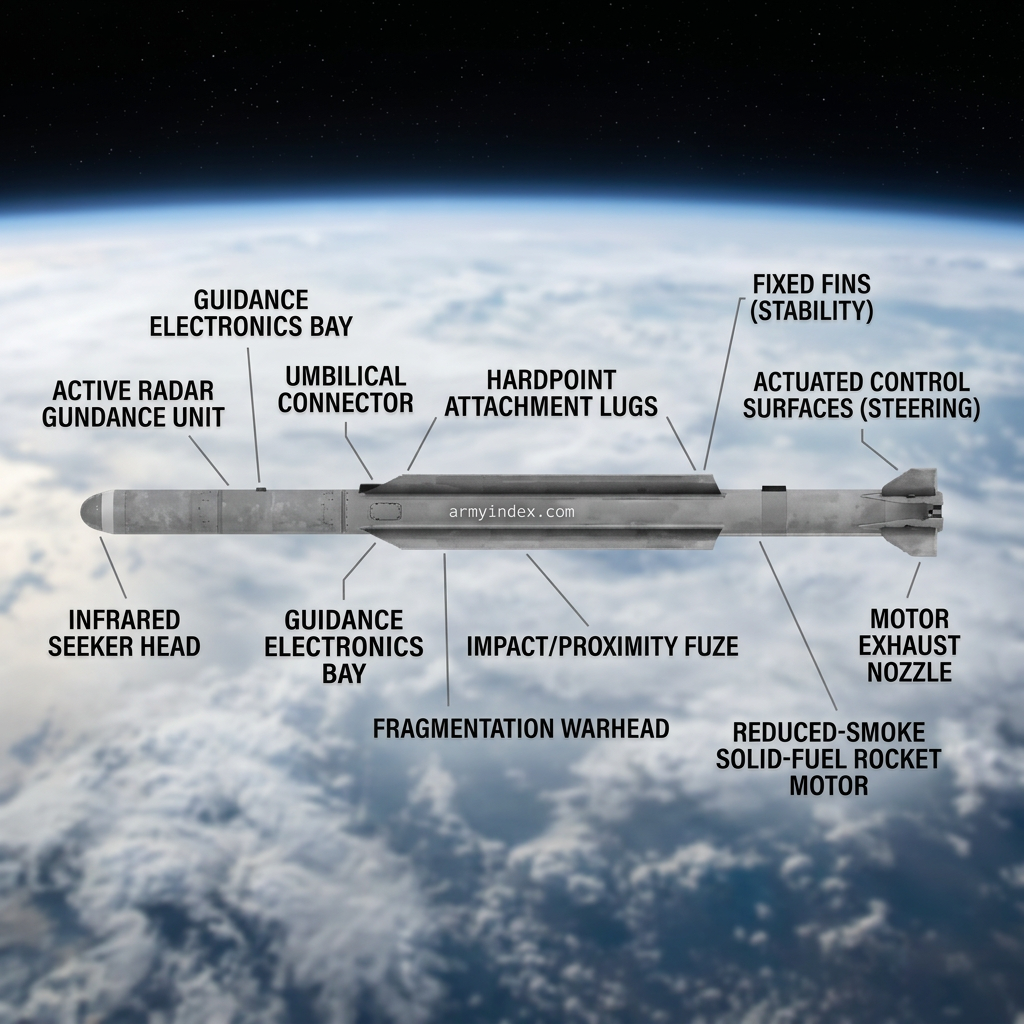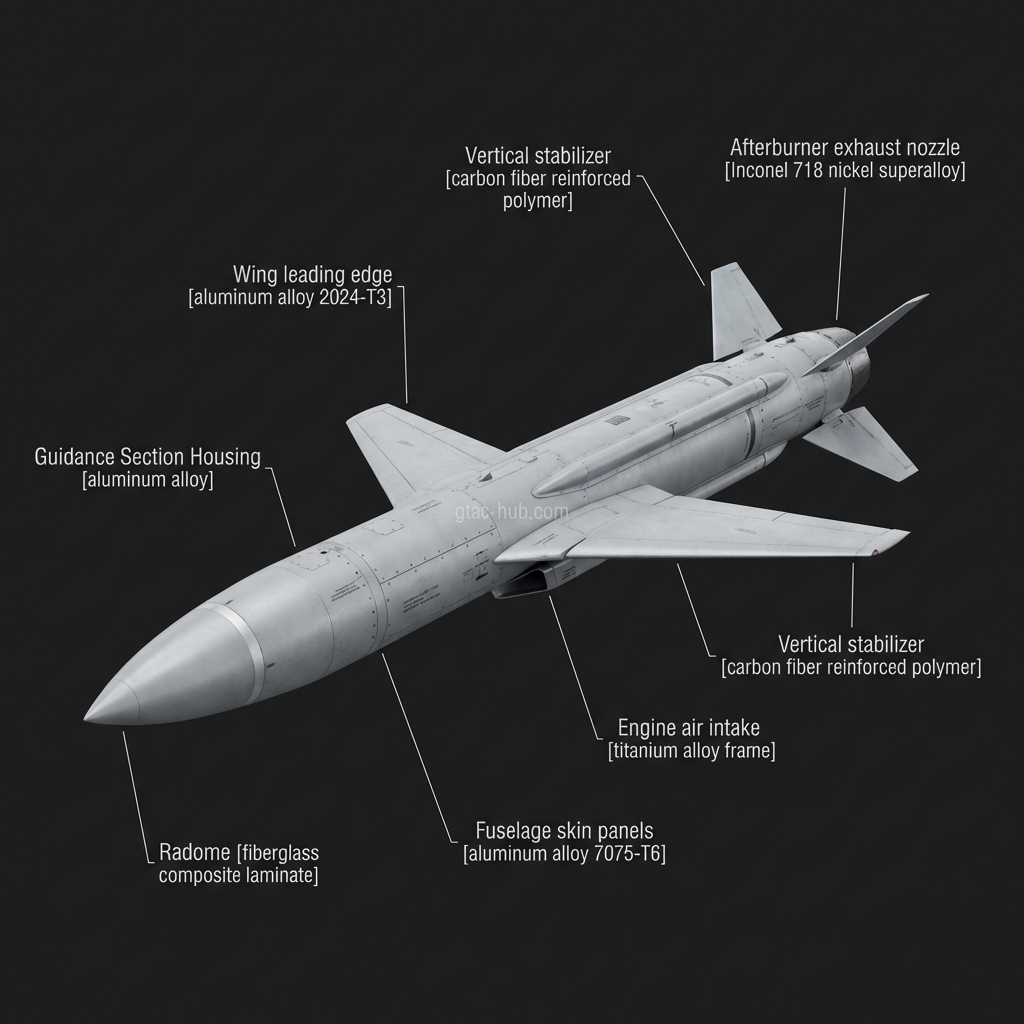
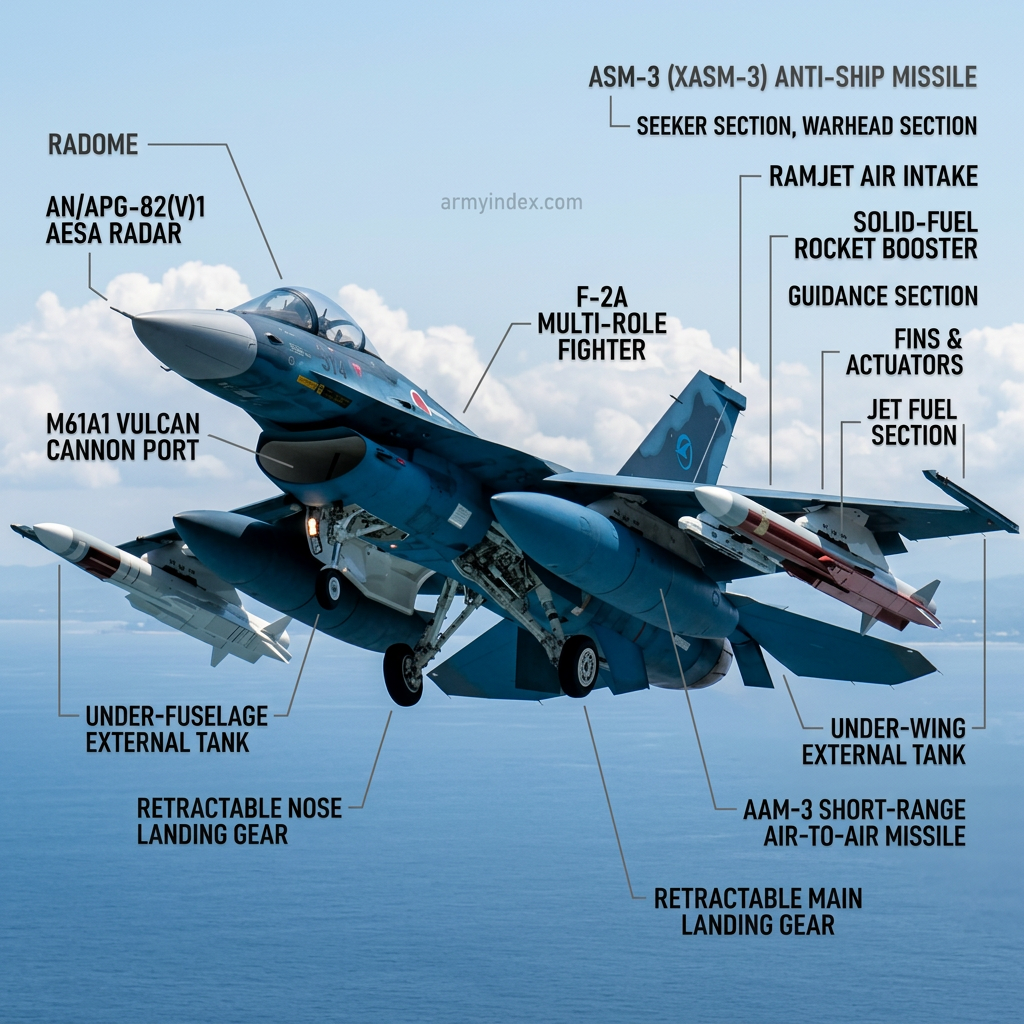
Indigenous supersonic air-launched anti-ship missile developed for the Japan Air Self-Defense Force F-2 fighter fleet. Features a ramjet propulsion system achieving speeds of Mach 3+ with a range of approximately 200 km. The ASM-3 uses a combined active radar and passive anti-radiation seeker for terminal guidance, enabling engagement of enemy warships by homing on their radar emissions even if the active seeker is jammed. Mid-course guidance via inertial navigation with GPS updates. Designed to penetrate advanced naval air defence systems through a combination of high speed (reducing enemy reaction time), sea-skimming flight profile, and electronic countermeasures. The ASM-3 was developed specifically to counter the growing anti-access/area-denial threat posed by modern naval forces in the Western Pacific. An improved variant (ASM-3A) with extended range is reportedly in development. Represents one of the few operational supersonic anti-ship missiles outside of Russia and China.

- Mach 3+ speed makes interception extremely difficult
- Passive anti-radiation mode enables autonomous targeting of radar-emitting ships
- Indigenous supersonic missile technology demonstrates advanced Japanese capability
- Ramjet propulsion provides sustained supersonic speed throughout flight
- Limited range (~200 km) compared to subsonic cruise missiles (1,000+ km)
- Only integrated on F-2; F-35 integration unlikely
- Small production numbers; limited operational stockpile
- Being superseded by longer-range Type 12 upgrade in strategic planning
Sign in to join the discussion and rate this weapon system
SIGN INNo comments yet. Be the first to share your analysis.