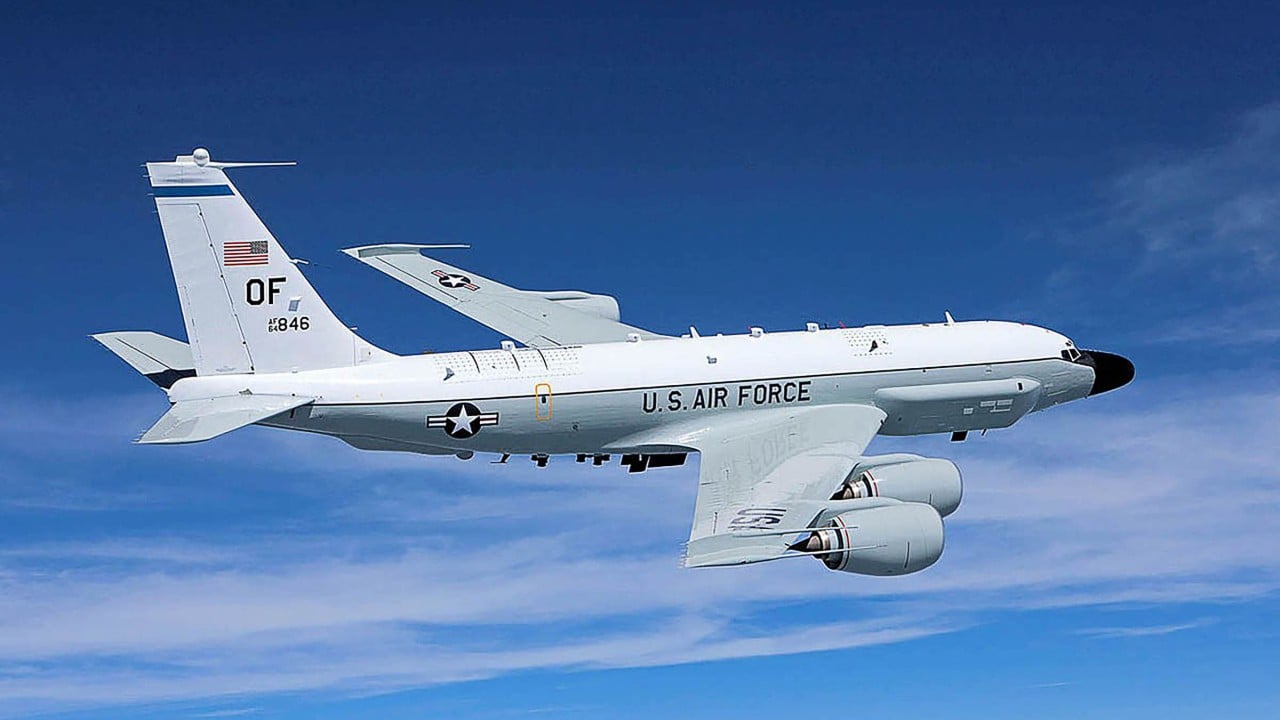
The United States has drastically cut its reconnaissance flights in the South China Sea, decreasing sorties by approximately 30% in February compared to January. A report from the South China Sea Strategic Situation Probing Initiative (SCSPI) indicates only 72 sorties were conducted in February, down from 102 the previous month. This notable drop signals a significant reevaluation of US military priorities amid ongoing tensions in the Middle East.
Historically, US air operations in the South China Sea have been emblematic of its stance against China's expanding maritime claims. For years, these missions have aimed to uphold freedom of navigation and challenge Chinese territorial assertions over contested waters. The increased presence of US sorties has accompanied heightened fears over China's military assertiveness, especially concerning Taiwan and adjacent territories.
This reduction in flights poses considerable risks. The diminishing US aerial footprint may embolden Chinese military movements in the region, threatening the balance of power in a vital maritime corridor through which over $3 trillion in trade passes annually. Additionally, the ongoing asset reallocation hints at potential vulnerabilities in US deterrence strategies in Asia-Pacific as resources are redirected to a volatile Middle Eastern landscape.
Key players in this scenario include the United States, China, and ASEAN nations, all with vested interests in the South China Sea. The US aims to project power and uphold its influence in Asia, while China seeks to consolidate its claims and expand its naval capabilities. ASEAN nations, meanwhile, are caught in the middle, navigating their relationships with both powers while facing the specter of subjugation by a stronger regional authority.
From a technical perspective, the reduction in sorties highlights a shift in operational control and readiness. The US deploys several types of reconnaissance aircraft, including the P-8 Poseidon and the Global Hawk UAV, known for their surveillance capabilities over vast areas. This month's figure of 72 sorties starkly contrasts previous operational tempo and raises questions regarding the sustainability of US surveillance in the region under current strategic reallocations.
Potential consequences of this development could lead to increased military confrontations in the South China Sea. As the US diminishes its presence, an uptick in provocative actions by China, including further militarization of artificial islands and aggressive naval formations, remains likely. The situation could spiral into a multifaceted crisis involving regional actors and US allies if left unchecked.
Historically, similar reductions in military activities have led to increased aggression from hostile powers. For instance, following the drawdown of US forces in the Middle East in previous conflicts, adversaries often attempted to exploit perceived vulnerabilities, leading to crises that escalated rapidly.
Moving forward, it will be critical to monitor US military deployments and reconnaissance activity in the Asia-Pacific. Intelligence indicators, such as changes in China’s naval exercises or increases in maritime militia presence, could provide early warnings of further assertive Chinese actions in the South China Sea as the US recalibrates its focus. The strategic implications of this shift will reverberate across the region and could drastically influence future geopolitical dynamics.