
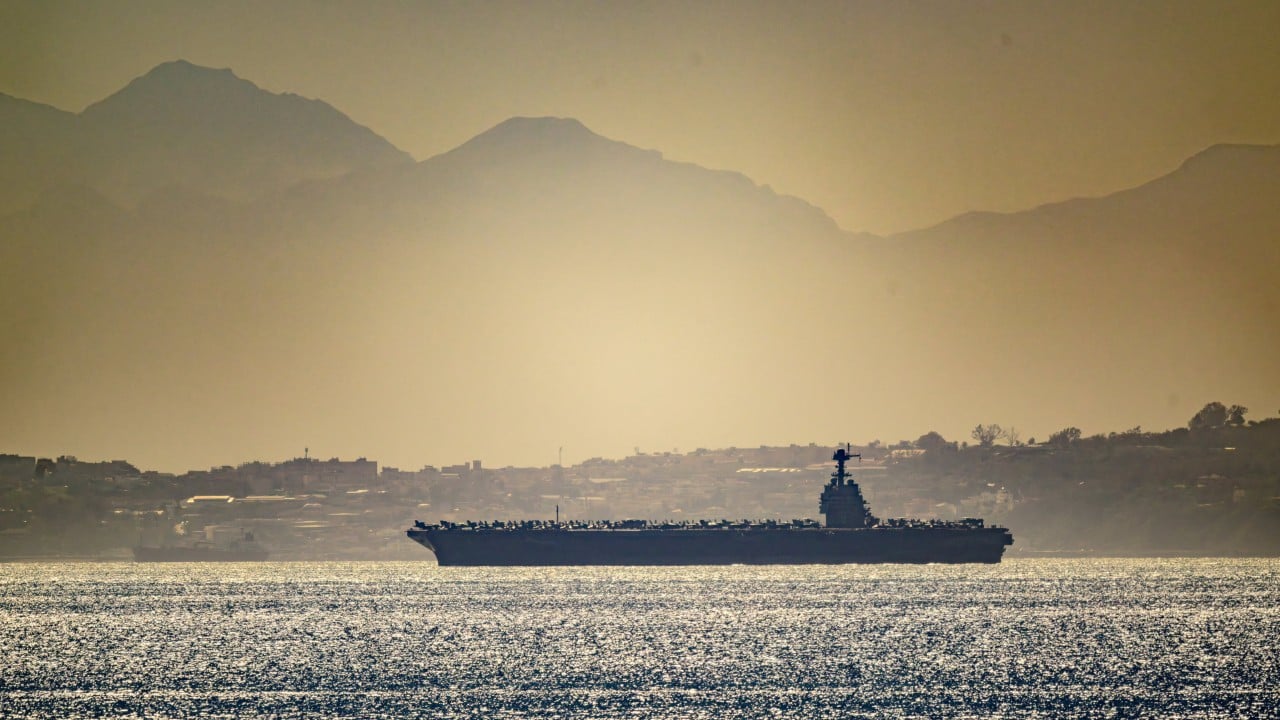
U.S. President Donald Trump has publicly expressed his consideration of a limited military strike targeting Iran amid a substantial naval build-up in the Middle East. This buildup is perceived as a pressure tactic aimed at compelling Tehran to agree to terms designed to restrain its nuclear program. The statement came following provocations in the region, alongside the U.S. military repositioning assets including aircraft carriers and advanced fighter jets to bolster deterrence measures that signal readiness for potential action.
The implications of this escalation are significant within the broader geopolitical landscape, particularly concerning U.S.-Iran relations and the ongoing threat posed by Iran’s nuclear ambitions. Earlier negotiations in Geneva have somewhat thawed the diplomatic freeze, with Iranian Foreign Minister Mohammad Javad Zarif indicating that a draft proposal for a new agreement would be available shortly. However, the prospect of military intervention complicates these diplomatic overtures and raises the stakes for both parties involved.
Key players in this situation include the United States under the Trump administration, which aims to maintain maximum pressure on Iran, and Iran, which is attempting to navigate sanctions and military threats while seeking a favorable diplomatic solution through negotiations. The Iranian regime perceives any suggestion of a military strike as a direct challenge to its sovereignty and a potential impetus for retaliation, thereby complicating the rationale for a peaceful resolution.
The regional and global implications could be severe. An armed confrontation might destabilize an already volatile Middle East, potentially involving U.S. allies such as Saudi Arabia and Israel, who view Iran as a principal adversary. Such a conflict could precipitate a resurgence of proxy wars and a broader military conflict, impacting energy markets and global trade corridors. The situation's volatility also risks escalation beyond conventional military engagements, with fears of asymmetric warfare, including cyber threats and terrorism.
Historically, the U.S. and Iran have experienced fluctuating tensions, often oscillating between periods of conflict and negotiation. The aftermath of the 2015 nuclear agreement, which deteriorated following the U.S. withdrawal in 2018, exemplifies the precarious nature of these interactions and serves as a backdrop for the current negotiations.
Analyst assessments suggest that while Trump's military posturing may serve as a negotiating tactic, any miscalculation could lead to significant unintended consequences. Moving forward, the focus will need to be on managing the delicate balance between diplomatic efforts and military readiness, as both nations navigate this increasingly fraught landscape.


