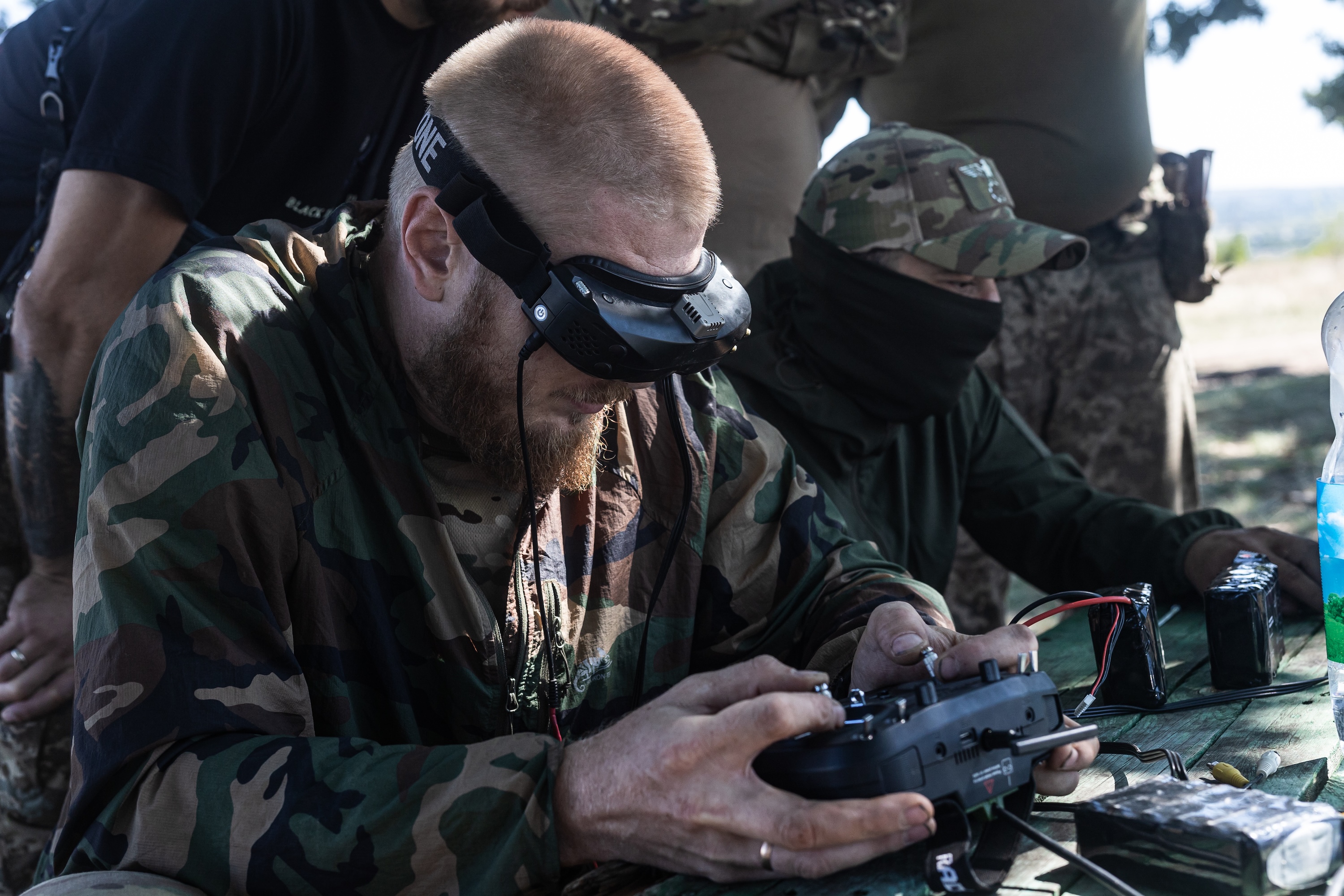
Ukrainian air assault units are now battling alongside CAESAR self-propelled howitzers in the Dnipro region, integrating this advanced French artillery system into their operations. However, this enhancement comes amidst the evolving landscape of warfare, where the increasing presence of drones has altered conventional artillery operations significantly. Artillery's traditional dominance is under threat as drones complicate targeting and coordination efforts on the battlefield.
Historically, Ukraine has relied on a blend of Soviet-era artillery and modern Western systems to maintain combat effectiveness. The arrival of the CAESAR howitzers marked a turning point, adding precision and mobility to Ukraine's artillery capabilities. Yet, as drones proliferate and tactics evolve, the operational framework that once benefited traditional artillery units is now under intense scrutiny and adaptation.
The significance of this situation cannot be overstated. Drones have drastically changed engagement rules, transforming how artillery can support infantry operations and counter enemy positions. Any vulnerability in artillery's effectiveness could lead to an imbalance in Ukraine's defensive capabilities, offering an advantage to Russian forces who may capitalize on these new challenges.
Key players in this chess match are the Ukrainian forces who seek to maintain offensive capabilities while adapting to innovative Russian drone warfare strategies. Furthermore, the French defense industry continues to assess the performance of the CAESAR in live combat scenarios, which may influence future military export agreements and strategic partnerships.
The CAESAR howitzer is recognized for its compact design, firing precision-guided munitions at a range of up to 40 kilometers. Each unit costs around €5 million, and Ukraine is leveraging these assets as a critical component of its artillery strategy. However, the rising volume of drone engagements demands that artillery operators integrate drone reconnaissance and countermeasures into their practices, placing additional strain on their existing operational framework.
Potential consequences for Ukraine include a restructured Command and Control system to counter drone threats effectively. As the dynamics of combat shift, the need for cohesion between infantry and artillery becomes paramount. This paradigm shift could lead to further escalations as both sides seek to exploit their evolving capabilities, likely resulting in increased casualties and shifting territorial control in contested regions.
Historically, the introduction of new technologies has often led to tactical re-evaluations on both sides. The World War I transition from traditional artillery to mobile warfare in response to aerial bombardment serves as a parallel, where armies struggled to adapt quickly. Similar hurdles now face Ukrainian artillery units as they integrate CAESAR howitzers against an adversary deploying drone technology effectively.
Looking ahead, key indicators to watch include updates on battlefield casualties and the performance of CAESAR howitzers under active drone threat conditions. Additionally, shifts in procurement strategies and potential reinforcements of drone units by both Ukraine and Russia will provide insights into how the war's dynamics may evolve. The next steps in this arms race will shape the operational capabilities of both forces significantly.