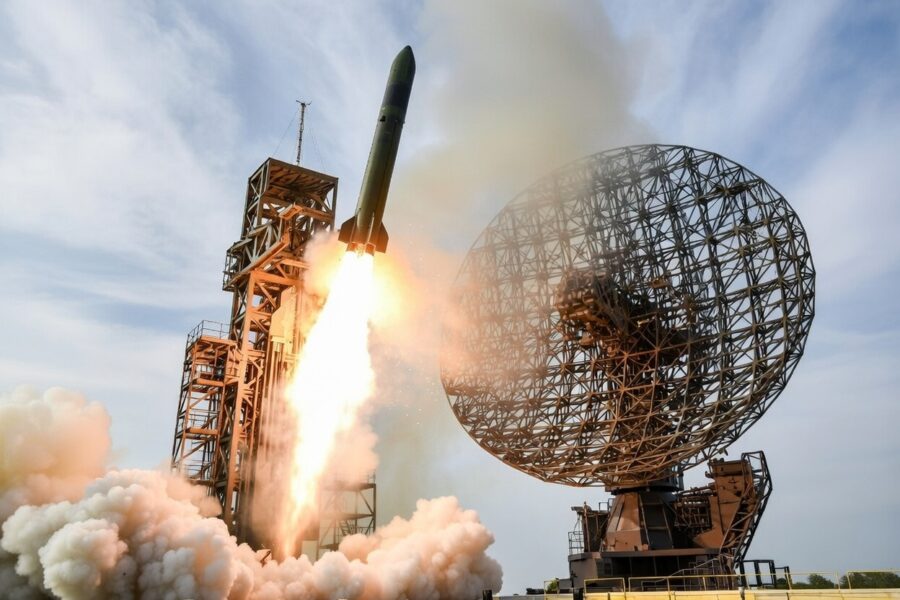
Former President Donald Trump released a video displaying US airstrikes on Iran's strategically important Kharg Island, which is home to naval facilities and oil storage sites. This provocative action follows reports of targeted strikes that potentially threaten Iran’s capacity to conduct military operations in the Gulf region. The timing and broadcasting of such footage could significantly ramp up tensions between the United States and Iran, especially with both nations already at odds over nuclear negotiations and regional influence.
Tensions between the US and Iran have been escalating since the US withdrawal from the Joint Comprehensive Plan of Action (JCPOA) in 2018. Kharg Island has historically served as a pivotal maritime node for Iranian oil exports, and targeting it signals a direct confrontation with Tehran’s economic lifelines. Iran has responded to perceived threats with increased military readiness, conducting live-fire naval drills and deploying resources to enhance its defensive posture.
This development underscores critical strategic risks. The United States and Iran are already on a knife's edge, with military buildups and proxy confrontations occurring throughout the Middle East. Trump's provocative video could lead to retaliatory measures from Iran, risking destabilization not only in that region but potentially affecting global oil markets and maritime security in the Strait of Hormuz, through which a significant percentage of the world’s oil supply transits.
Key actors include Trump, who seems intent on reaffirming a hardline stance against Iran to galvanize his domestic political support, and the Iranian leadership, which perceives such attacks as direct threats to its sovereignty. With US troops still stationed in the Middle East and Iran's military capabilities being refined, both adversaries have little incentive to de-escalate, and Trump’s maneuvers could embolden hardliners in Tehran.
Operationally, the US’s engagement at Kharg Island signifies a potential shift in targeting strategy, focusing on high-value assets integral to Iran's military and economic operations. The capability to project power in the region remains potent, with aircraft such as the F-35 and carrier strike groups ready to enact precision strikes. However, such engagement is fraught with risk, as Iran may seek to retaliate asymmetrically, possibly through proxy militia forces throughout Iraq, Syria, or even directly targeting US assets.
The consequences of this latest development could spiral into significant conflict escalation. Iran's potential response may not be limited to conventional engagements; cyber operations and asymmetric warfare could become preferred tools. Given the recent trajectory of hostilities, the next moves by both sides could initiate a cascade of military responses and shift alliances across the region.
Historically, parallels can be drawn from the lead-up to the Gulf War, when the display of military strength provoked a fierce reaction from Iraqi forces. Similarly, the US-led operations in the late 1990s aimed at containing Iran ended with unpredictable regional ramifications. Past incidents reveal how quickly restrained hostilities can spiral into broader conflicts when one party escalates provocations.
As the situation unfolds, critical intelligence indicators to monitor include troop movements within Iran, the activity of naval forces in the Persian Gulf, and the rhetoric emerging from Iranian leadership. Analysts should keep a close watch on satellite imagery and communications from both US and Iranian military channels, as any sign of escalation could swiftly shift the balance of power in the region and result in heightened military engagements.