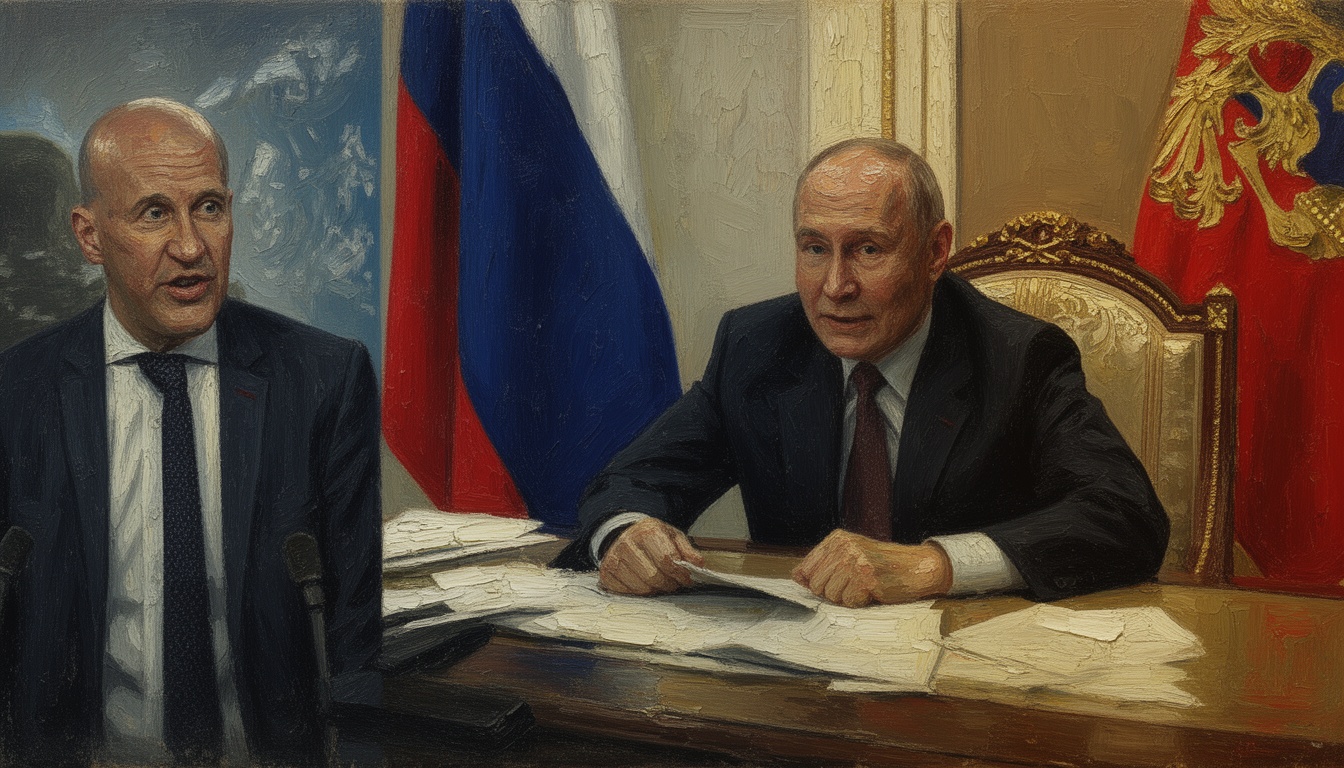
During an interview, Swedish Ambassador to France Caroline Vicini expressed the nation's satisfaction with its role as a NATO member nearly two years after abandoning its historical nonalignment. This development comes as the world commemorates the fourth anniversary of Russia's full-scale invasion of Ukraine, a conflict that has reshaped security dynamics across Europe. Vicini emphasized Sweden's unwavering commitment to supporting Ukraine during this critical juncture.
This shift to NATO membership significantly alters the strategic landscape in Northern Europe, enhancing NATO’s collective security framework. Sweden's decision, alongside Finland’s accession, represents a unified front against potential aggression from Russia, which has increasingly demonstrated hostile posturing since the 2014 annexation of Crimea. The integration of Sweden into NATO is viewed as pivotal to bolstering regional defense capabilities, particularly in the Baltic Sea area.
Key players in this development include Sweden and NATO allies, particularly the United States and the United Kingdom, who have actively supported NATO’s expansion. The motivations behind Sweden’s NATO accession stem from heightened regional security concerns, especially regarding Russian military operations and assertive foreign policy. Sweden perceives membership as a necessary safeguard against potential threats and a mechanism to enhance defense cooperation on the continent.
The implications of Sweden's NATO membership extend beyond its borders, potentially influencing security alignments in the Baltic region and Northern Europe. With Sweden now integrated into NATO’s collective defense framework, any future aggressive actions by Russia could invoke Article 5 of the NATO Treaty, obligating member states to collective defense. This development may lead to increased military presence and exercises in the region from NATO allies, aiming to deter Russian aggression.
Historically, Sweden maintained a policy of military nonalignment for over two centuries, a decision rooted in its desire to avoid entanglement in global conflicts. However, the stark realities of the contemporary security environment have prompted a reassessment of this stance, illustrating a broader trend among European nations reevaluating their defense policies in the face of emergent threats.
Analyst assessments indicate that Sweden's NATO membership marks a definitive shift in European defense architecture. As tensions with Russia continue, there may be increased calls for enhanced military preparedness and expanded cooperation among NATO allies, potentially prompting further geopolitical realignments in the region as countries seek to secure their national interests and collective security commitments.