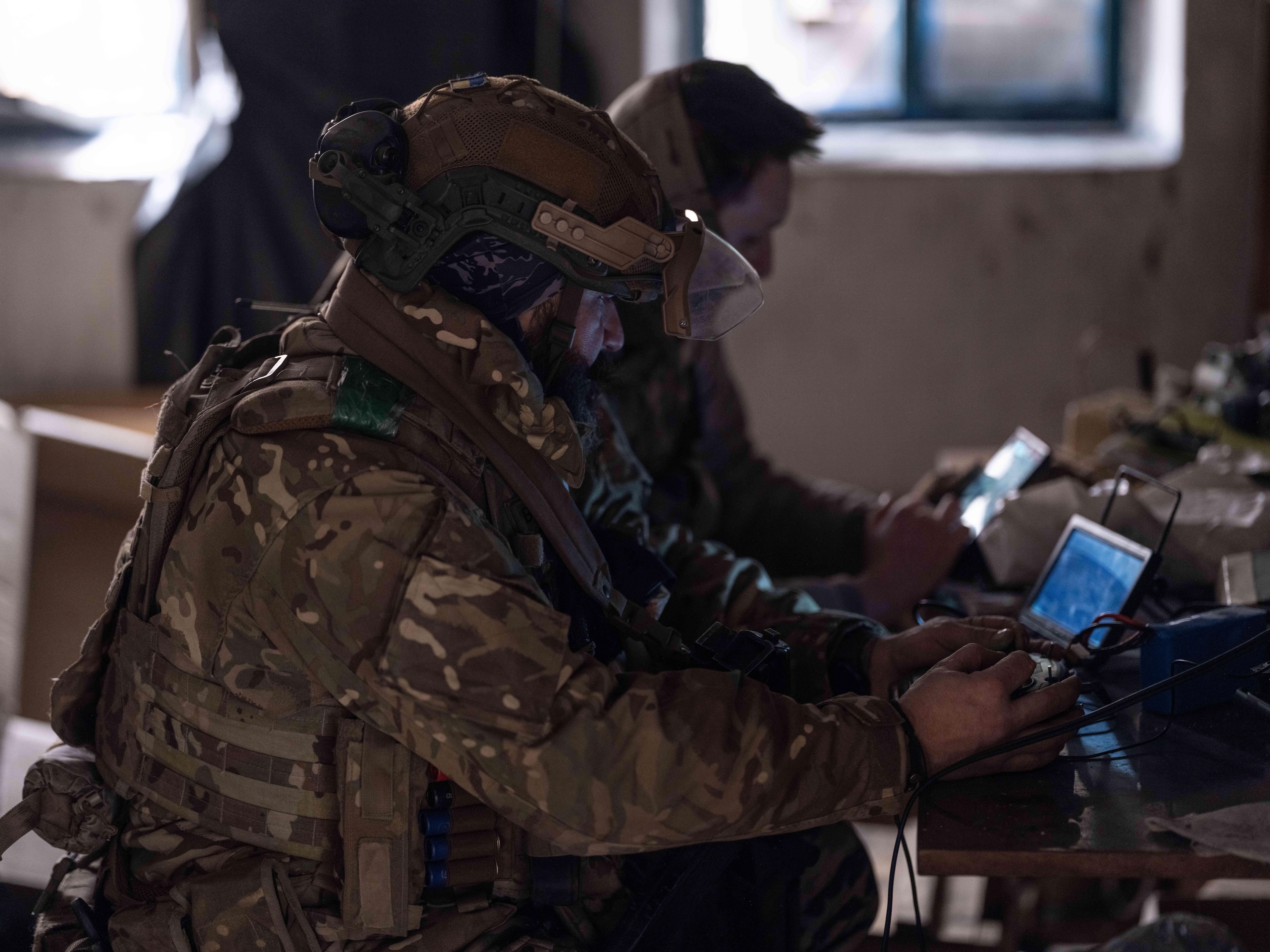
In the latest round of negotiations held in Switzerland, Russian and Ukrainian envoys reached no breakthroughs regarding their military and political differences, reinforcing the prevailing deadlock in the conflict. This third round of direct talks, organized by U.S. intermediaries, highlighted a general expectation of minimal progress, which was ultimately confirmed as parties failed to reach consensus on key issues such as territorial integrity and military de-escalation.
The significance of these negotiations cannot be understated. The ongoing conflict between Russia and Ukraine remains a focal point of international security discussions, particularly given its potential to escalate into broader regional instability. The absence of any actionable agreements from these talks raises questions about the efficacy of diplomatic efforts and the willingness of both sides to engage in meaningful dialogue as they pursue their military and political objectives.
Key players in this ongoing conflict include the Russian Federation, advocating for the recognition of separatist territories, and Ukraine, which seeks to maintain its territorial integrity and sovereignty. The geopolitical backdrop features not only the immediate concerns of Eastern European security but also the implications for NATO's eastern flank and relations with the European Union, which faces pressures to respond to any escalations stemming from this impasse.
The implications of this diplomatic stalemate extend beyond bilateral tensions. Continued hostilities could provoke increased military activities from both sides and heighten the risk of miscalculation leading to larger-scale confrontations. Moreover, international stakeholders, including NATO and the EU, may feel compelled to reassess their engagement strategies, which could involve military or economic support for Ukraine or sanctions against Russia, potentially worsening the conflict's dynamics.
Historically, previous rounds of negotiations, such as the Minsk agreements, have also faced hurdles similar to those seen in the latest talks, often resulting in temporary ceasefires but lacking in lasting solutions. The pattern suggests entrenched positions and significant distrust between parties, complicating the negotiation landscape further.
Analyst assessments indicate a likely continuation of the status quo in the near term, with both sides unprepared to compromise on core issues. Observers will need to monitor potential shifts in diplomatic strategies, especially as external actors might seek to exploit this stalemate to enhance their influence in the region.