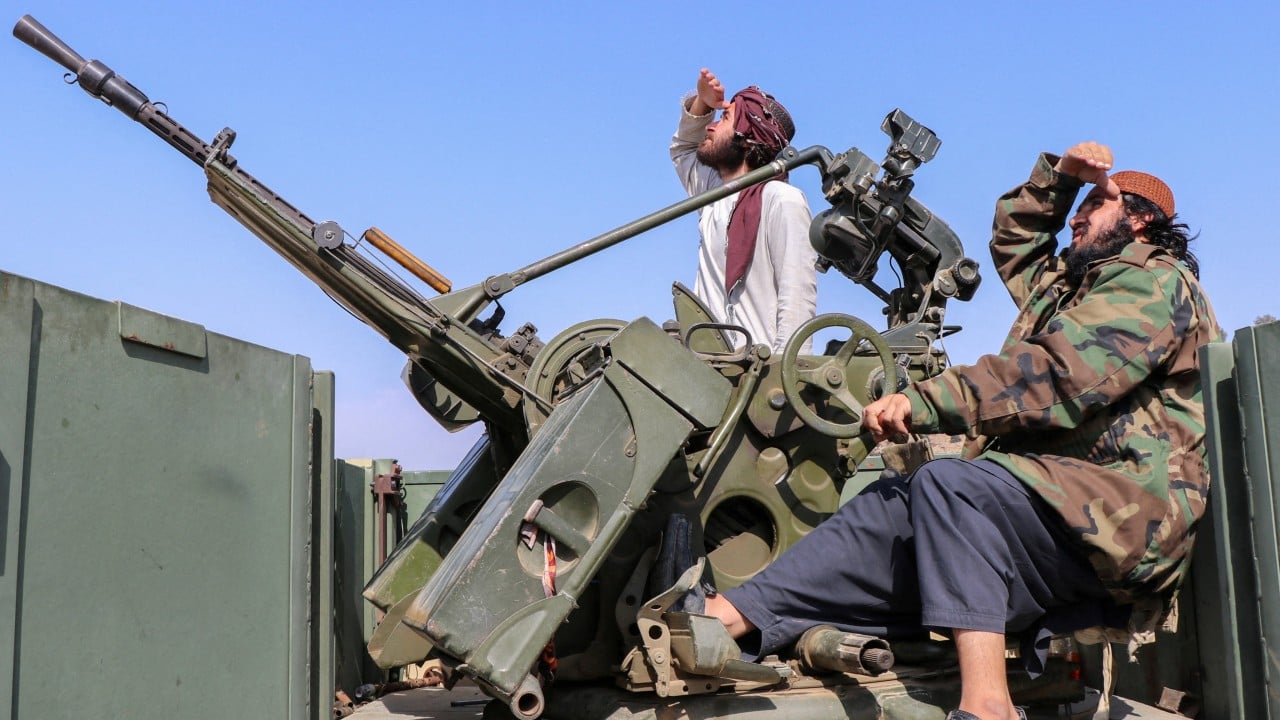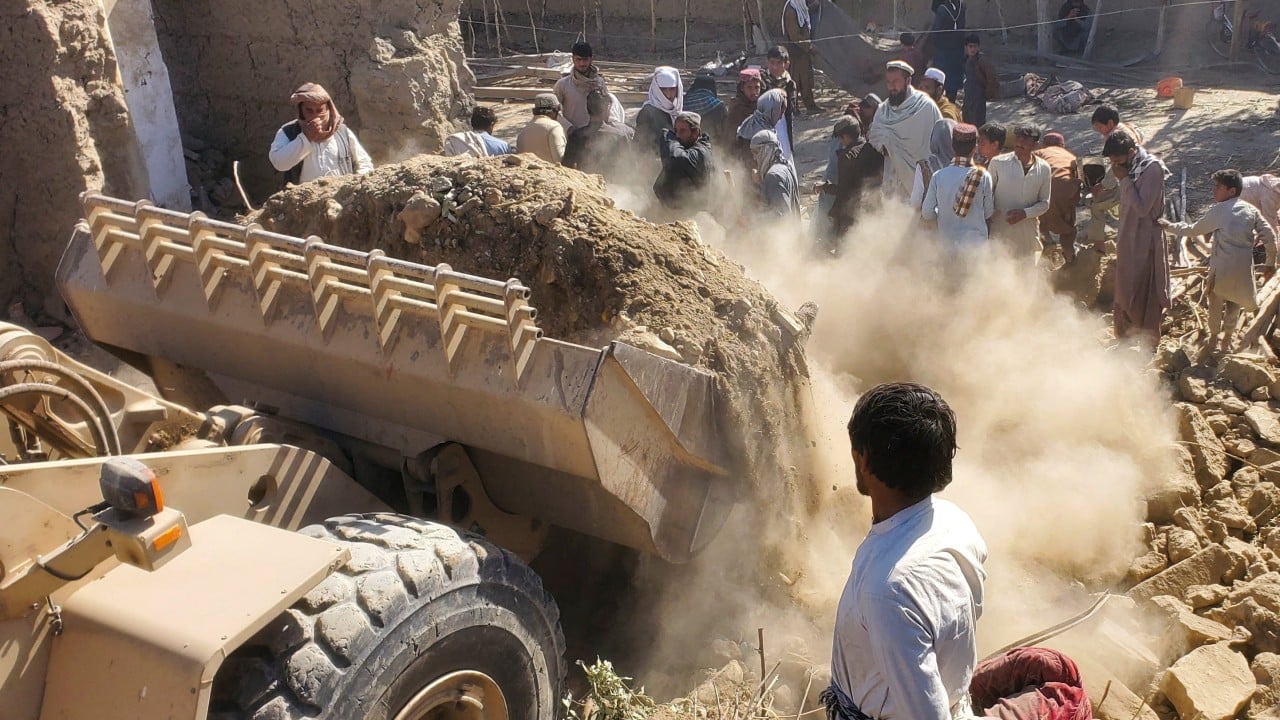
Pakistan conducted a series of airstrikes on Kabul and Kandahar on Friday, formally declaring 'open war' against the Afghan Taliban. This significant military escalation follows an attack earlier in the day by Afghan forces on Pakistani border troops, which the Taliban described as a retaliatory measure for previous deadly airstrikes carried out by Islamabad. Reports indicate that both sides sustained heavy casualties, with dozens of soldiers killed amid this violent confrontation.
The tension between Pakistan and the Afghan Taliban has been simmering for months, fueled by cross-border skirmishes and mutual accusations of aggression. Pakistan has long accused the Taliban of harboring militant groups that launch attacks against its territory. Conversely, the Taliban has condoned the cross-border operations, insisting they are a response to escalating Pakistani air strikes that have claimed Afghan civilian and military lives. This latest incident represents a breaking point already strained by growing animosities due to ongoing skirmishes along their shared border.
The significance of this unprecedented declaration of war lies in its potential to destabilize the entire region. As Pakistan intensifies its military campaign against the Taliban, it could inadvertently provoke further incursions into Afghan territory from extremist groups, threatening regional stability. Moreover, this could lead to a broader confrontation involving other stakeholders, particularly neighboring Central Asian states wary of the spillover effects from an intensified conflict.
Key actors in this conflict carry substantial motivations that drive their actions. Pakistan aims to assert its military dominance in the region and eliminate threats posed by Taliban-linked militancy. Conversely, the Taliban seeks to consolidate power within Afghanistan and defy Pakistani influence, emboldened by its victory following the U.S. withdrawal. Each faction operates not just from a nationalistic perspective but also from a desire to project strength to both internal and external audiences.
Operationally, Pakistan’s attacks reportedly targeted 'defense targets' of the Afghan Taliban in pivotal locations such as Kabul and Paktia Province. Although exact figures on the expenditures or munitions deployed remain undisclosed, Pakistan has historically utilized advanced jets for precision strikes. The escalation also marks a shift in the military engagement model, where aerial bombardment is likely to become a primary tactic in Islamabad’s strategy to quell Taliban insurgency.
The consequences of such escalation could spiral quickly out of control, compelling Pakistan to deploy ground forces across the border under the guise of 'anti-terror' operations. This would signal a dangerous shift in the nature of the conflict, transforming it into a full-scale war with unpredictable outcomes for civilian populations and regional actors alike. A potential influx of refugees into Pakistan or renewed terrorist activities on both sides could destabilize an already fragile humanitarian situation.
Historically, the series of airstrikes and border skirmishes echoes the tumultuous conflicts from previous decades, particularly during the Soviet-Afghan War and the post-9/11 NATO involvement in Afghanistan. The patterns of cross-border violence have often been indicative of larger geopolitical games being played, signaling influences from global powers seeking to manipulate outcomes in the volatile region.
Moving forward, intelligence analysts will watch for any signs of further Pakistani ground incursions or retaliatory actions from the Taliban, as this conflict could rapidly escalate. Signals such as troop movements, unusual military logistics, and communications intercepts will be critical indicators of how both nations position themselves amidst this rising tide of hostility. The potential for international repercussions also looms, particularly if foreign powers perceive the conflict as a threat to broader regional stability.