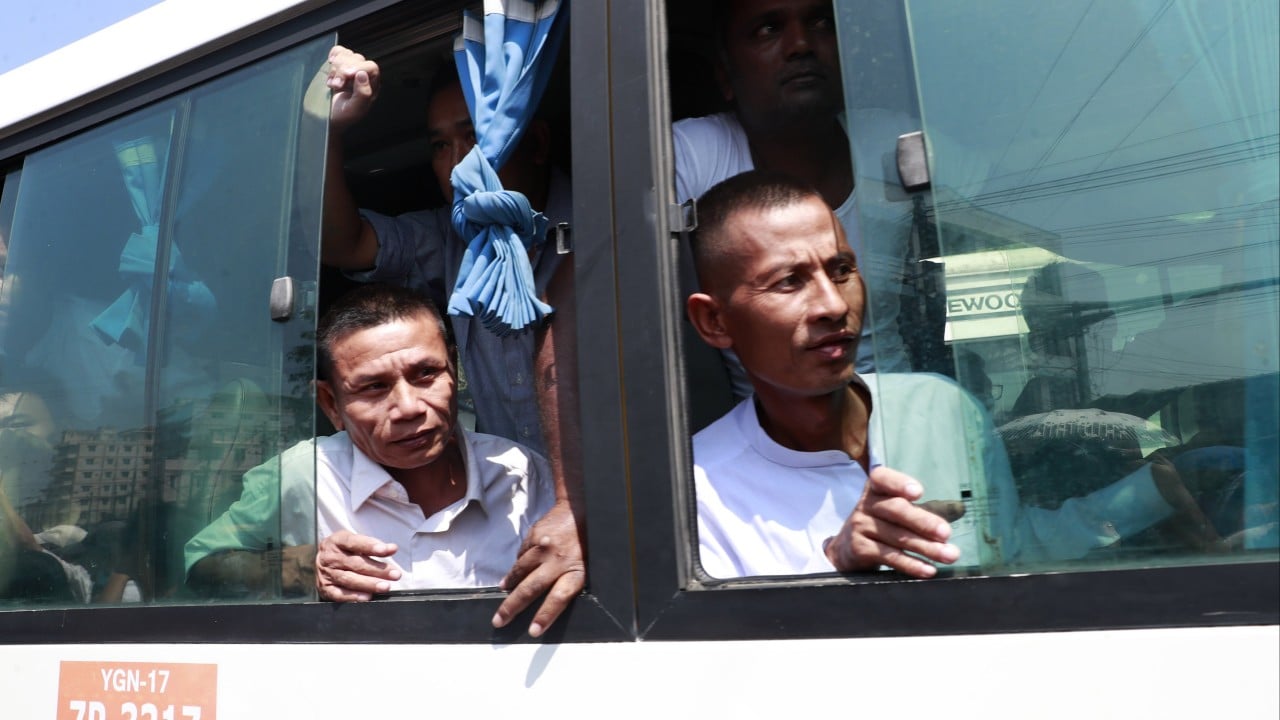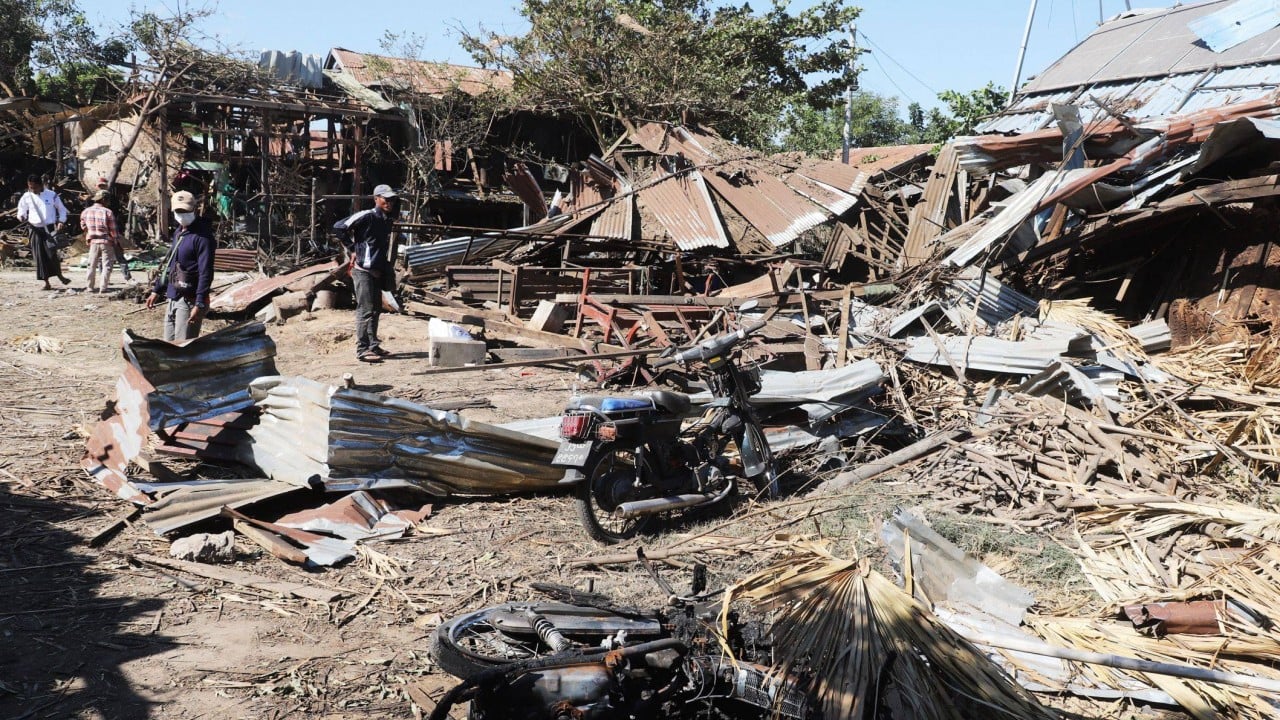
Bo Nagar, the leader of the Burma National Revolutionary Army (BNRA), has surrendered to Myanmar's military government, according to state media reports. His capitulation took place in the Sagaing region, marking a pivotal moment for the BNRA as it grapples with escalating internal conflicts and territorial disputes among various factions within the broader resistance movement. This tactical retreat highlights the vulnerabilities faced by opposition groups in their struggle against the military junta, which has increased its operations in the aftermath of prior resistance successes.
This surrender is particularly significant as it reflects the broader geopolitical implications of instability in Myanmar. Since the military coup in February 2021, the country has plunged into chaos, with armed resistance groups emerging as significant players against the army's rule. The current fragmentation can undermine collective efforts to unify against the junta, potentially weakening the overall resistance movement and giving the military authorities a tactical advantage in suppressing dissent.
Key players in this situation include the military junta, which is striving to consolidate power and quash opposition, and various ethnic armed organizations, including the BNRA, which seek autonomy or independent governance. The dynamics within these groups are increasingly complicated as rivalries and internal disputes arise, particularly as some factions align with larger, more established opposition groups. Bo Nagar's surrender may provoke further infighting as factions reassess their strategies and allegiances.
The implications of this surrender could ripple across the region and impact global perceptions of Myanmar's political landscape. Ongoing instability may exacerbate humanitarian crises, leading to increased displacement and refugee flows into neighboring countries such as Thailand and India. Additionally, the international community's approach to the junta is likely to be scrutinized, as disunity among resistance groups could shift diplomatic strategies and support frameworks.
Historically, Myanmar has experienced cycles of conflict and insurgency, particularly among ethnic groups seeking autonomy. The BNRA's internal divisions echo past challenges faced by resistance movements, reflecting systemic issues related to governance and ethnic representation that have plagued the nation for decades. As Myanmar navigates this precarious phase, the outcomes of these internal struggles are crucial for understanding future trajectories of both the resistance and junta.
Analyst assessment indicates that while the military may perceive Bo Nagar's surrender as a victory, the consolidation of opposition forces remains essential for effective resistance against the junta. Future engagements may hinge on either renegotiations within the movement to unify against the common adversary or further fragmentation, which could drastically alter the conflict's landscape moving forward.