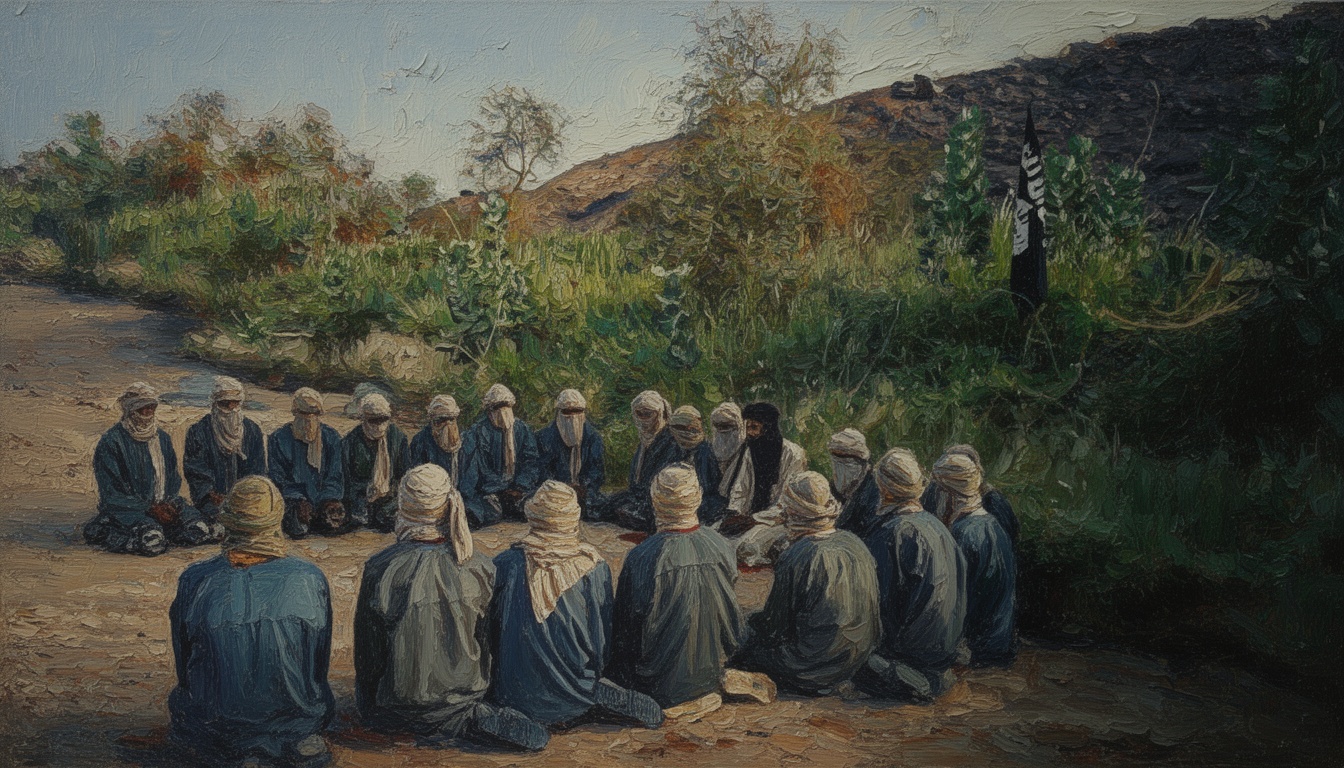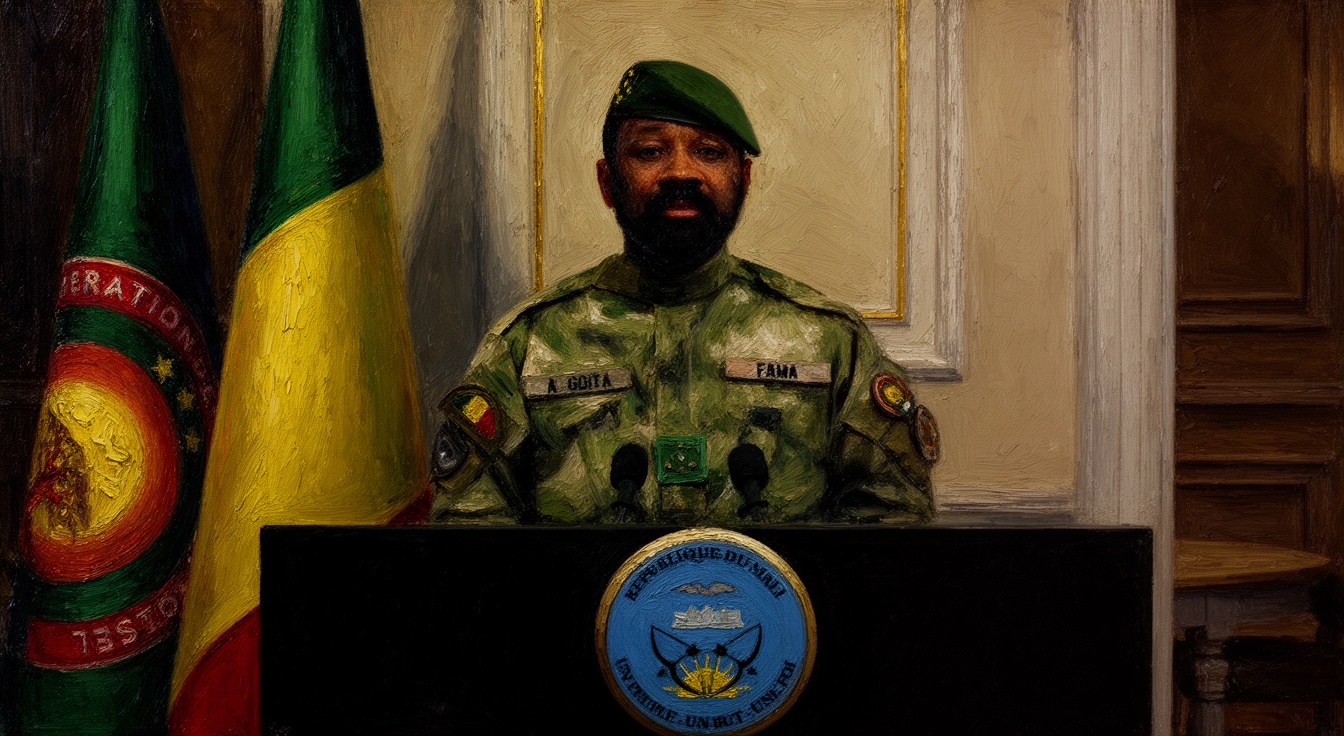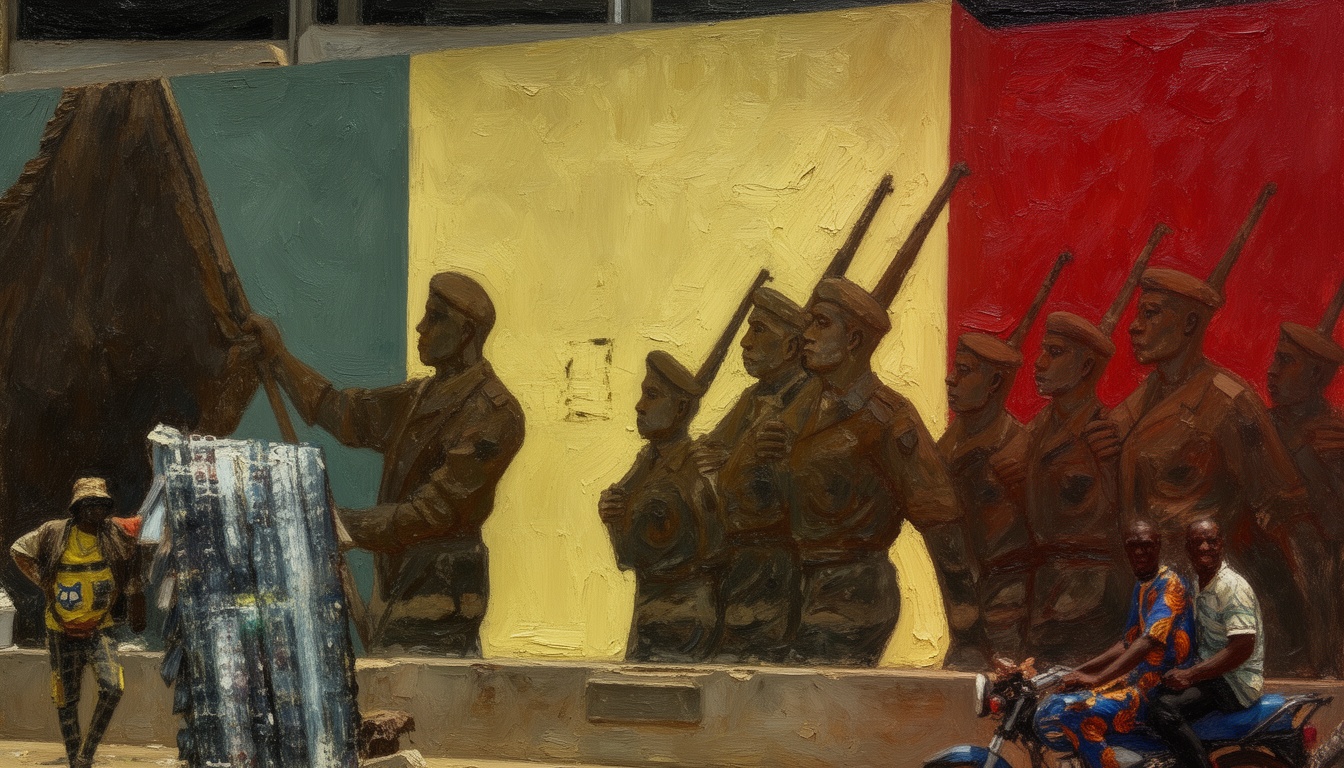
Mali's Kremlin-backed military government is facing increasing challenges that are undermining Russia's self-proclaimed role as a security guarantor in Africa. Recent security reversals, particularly an offensive by al-Qaeda affiliates and Tuareg separatists, have put the junta under severe pressure, questioning its effectiveness and reliance on Russian support.
The military junta in Mali, which sought Russian assistance after ousting French and UN forces in 2020 and 2021, finds itself in a precarious situation. The recent offensive reflects growing instability in the region, as local insurgencies take root amidst rising dissatisfaction with the government's handling of security and governance issues. These developments highlight the volatility of Mali's security landscape and the potential risks for Moscow's image as a stabilizing force.
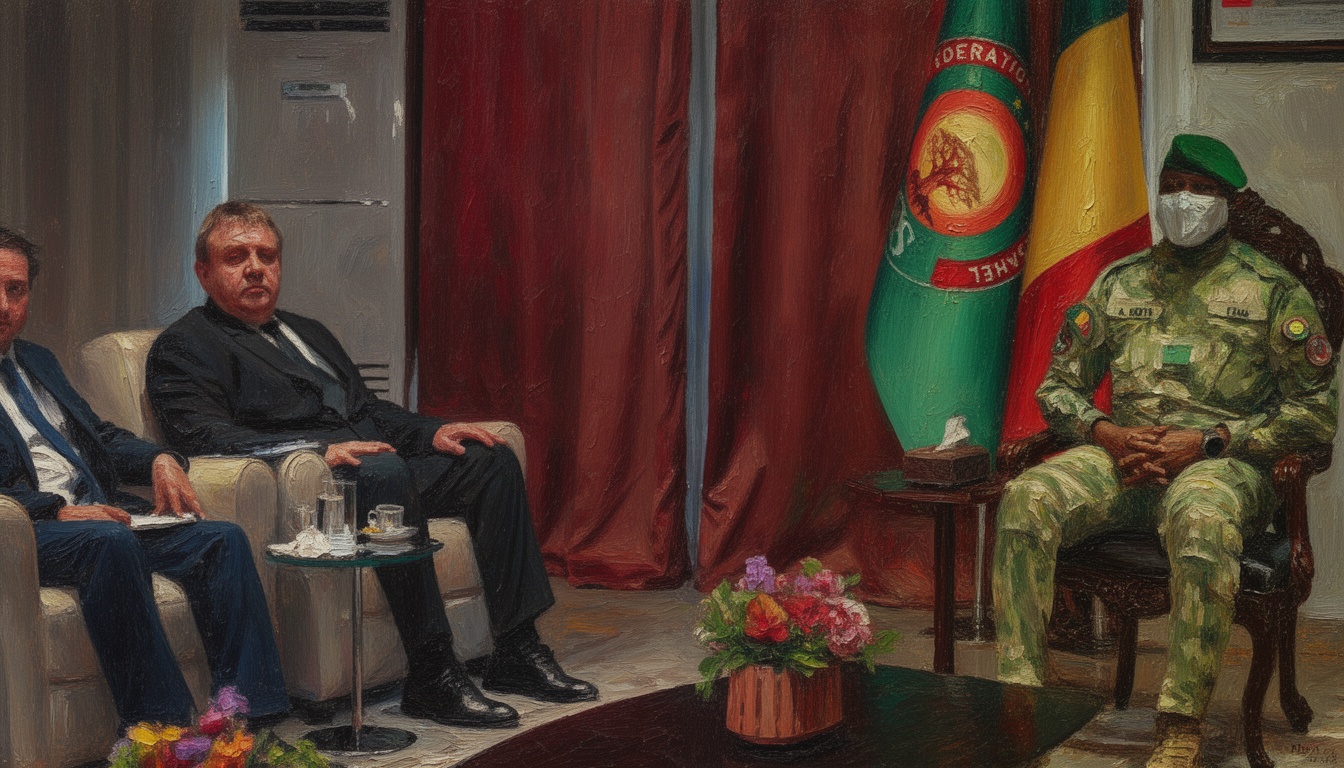
Strategically, Russia's increasing involvement in Africa has been portrayed as an expansion of its influence. However, setbacks in Mali could prompt regional powers to rethink their alliances and security partnerships. The situation raises questions about Russia's capacity to fulfill its commitments to Africa, particularly as it seeks to enhance its soft power in the continent.
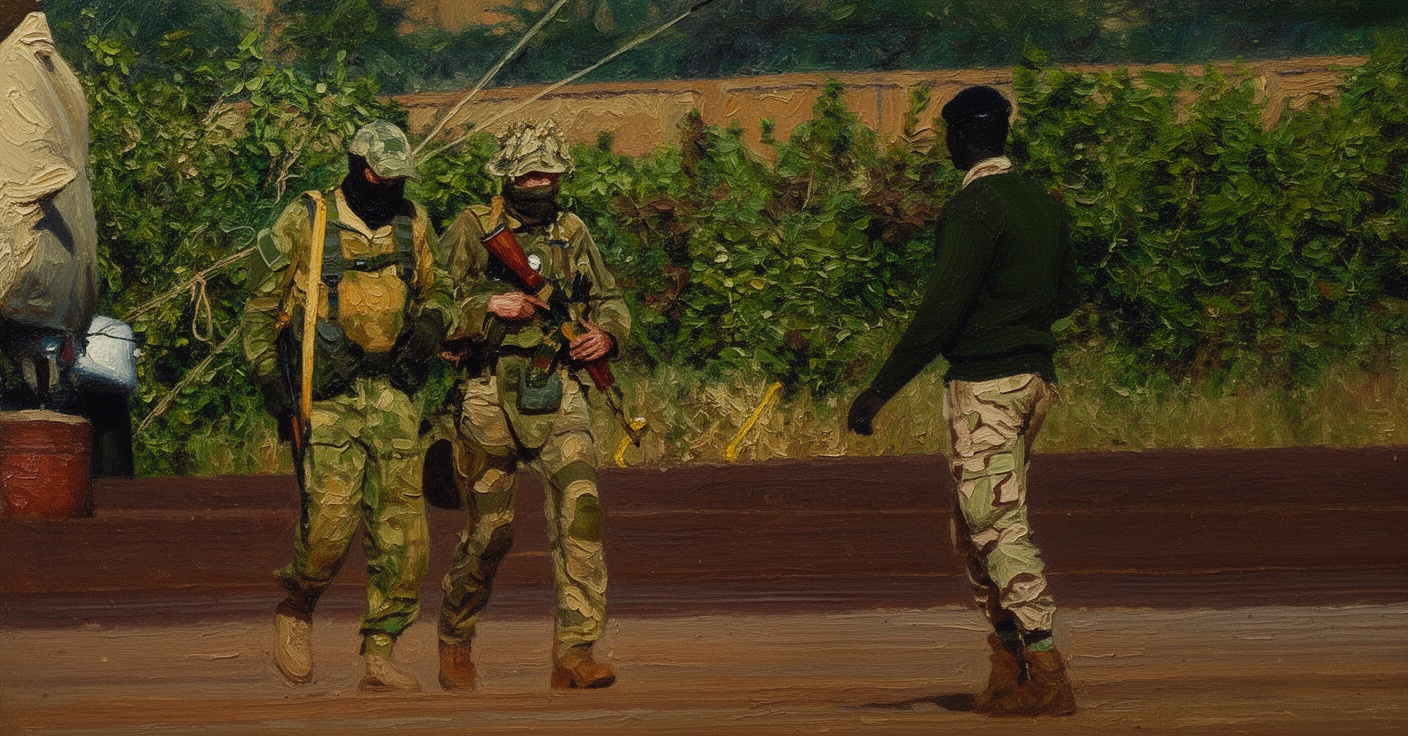
Malian forces, reportedly trained by Russian military instructors, are struggling against well-organized local insurgencies. This reflects a disconnect between the tactical training provided and the operational realities on the ground. As Russia's military engagements abroad are scrutinized, Mali's situation is a critical litmus test for Moscow's credibility as a reliable partner in the defense sector.
The implications of this turmoil are significant. A weakening of Russian influence could lead to a reconfiguration of alliances within Mali and the broader West African region. As local groups gain momentum, the Russian military's reputation as a security provider in Africa faces heightened scrutiny and potential decline in influence.