
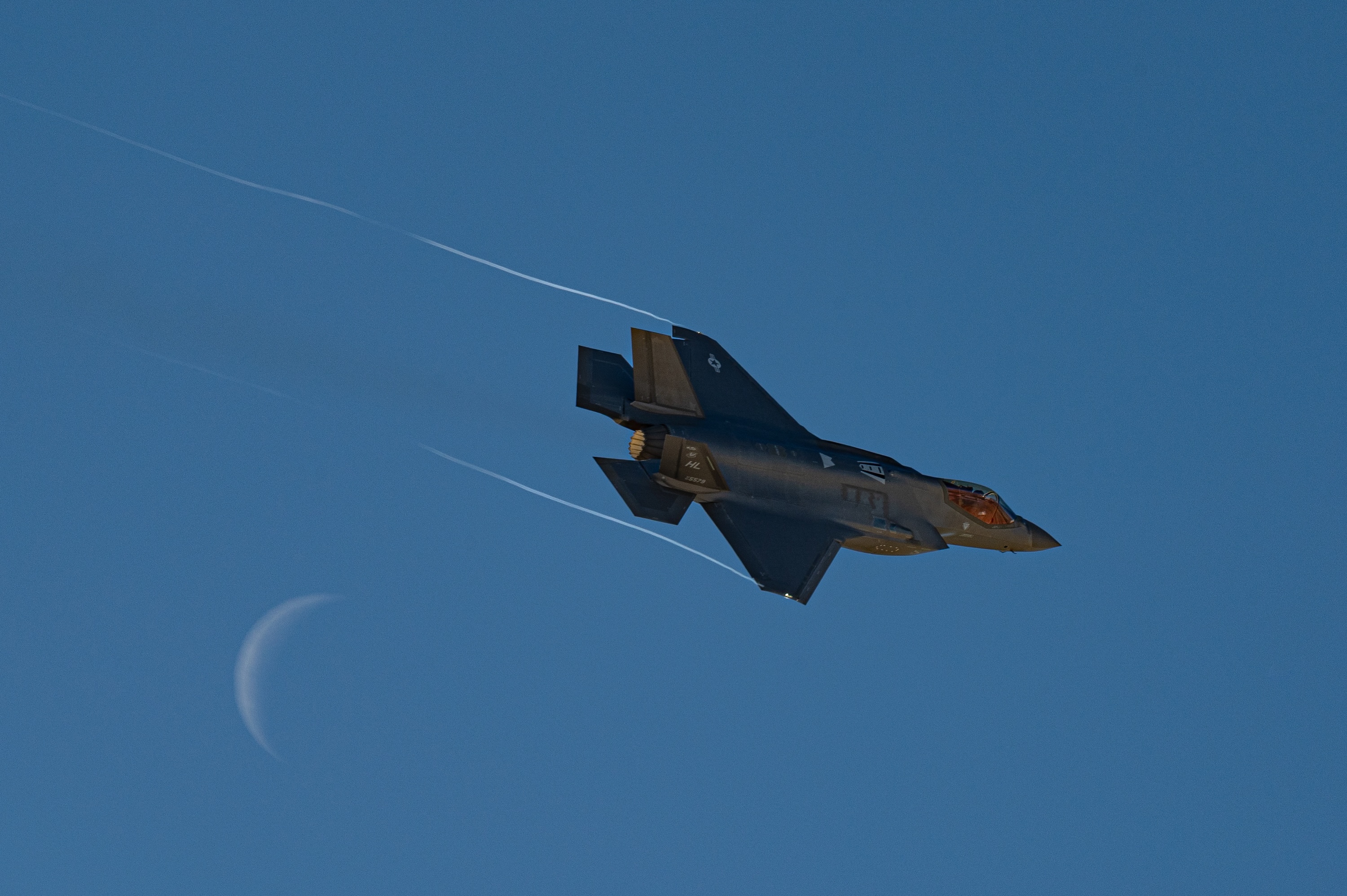
Lockheed Martin has announced the successful integration of an advanced tactical AI model within the F-35 Lightning II fighter jet, enabling the system to independently suggest combat targets to pilots during missions. This milestone marks a significant leap in the capabilities of the multirole stealth fighter, enhancing the aircraft’s operational efficiency and decision-making speed in combat scenarios. The implementation of this AI technology is reported to improve situational awareness and targeting capabilities, providing pilots with real-time tactical insights without requiring constant human input.
The introduction of AI in combat aircraft is a pivotal development within the context of modern warfare. The potential to autonomously identify and suggest combat targets transforms traditional air combat strategies, allowing pilot teams to focus on executing complex missions while AI handles target engagement decisions. This innovation underscores the increasing reliance on artificial intelligence in military applications, emphasizing a shift towards automated systems enhancing human capabilities rather than merely assisting.
Key players in this advancement include Lockheed Martin, the primary contractor for the F-35 program, as well as rival nations and defense contractors that are rapidly evolving their aerial warfare technologies. The defense industries of countries such as Russia and China are likely to view this development with concern, as they may need to accelerate their own efforts in AI integration to maintain parity in aerial warfare capabilities. The strategic motivations behind this technology push include enhancing combat effectiveness, reducing pilot workload, and improving survivability under combat conditions.
The global implications of this AI integration are substantial. Countries that possess the F-35 may leverage this technology to enhance their air force capabilities, consequently shifting power dynamics among U.S. allies and opponents in regional conflicts. Furthermore, nations without access to advanced aerial platforms may feel compelled to invest in or develop equivalent or countering technologies, leading to a potential arms race in AI-enabled combat systems.
Historically, the integration of emerging technologies in air combat has transformed military engagements, with prior advancements such as precision-guided munitions and stealth technology reshaping how air operations are conducted. The transition to AI-driven decision-making represents the latest evolution in this ongoing transformation, posing both opportunities and significant risks in military conflict scenarios.
Analyst assessment suggests that while the integration of AI into the F-35’s operational framework allows for more agile and informed combat decisions, it also raises ethical and strategic questions regarding autonomous decision-making in combat situations. The forward outlook indicates that the military will continue to pursue such integrations to maintain technological superiority, necessitating a careful examination of international norms and rules of engagement surrounding autonomous weapons systems.