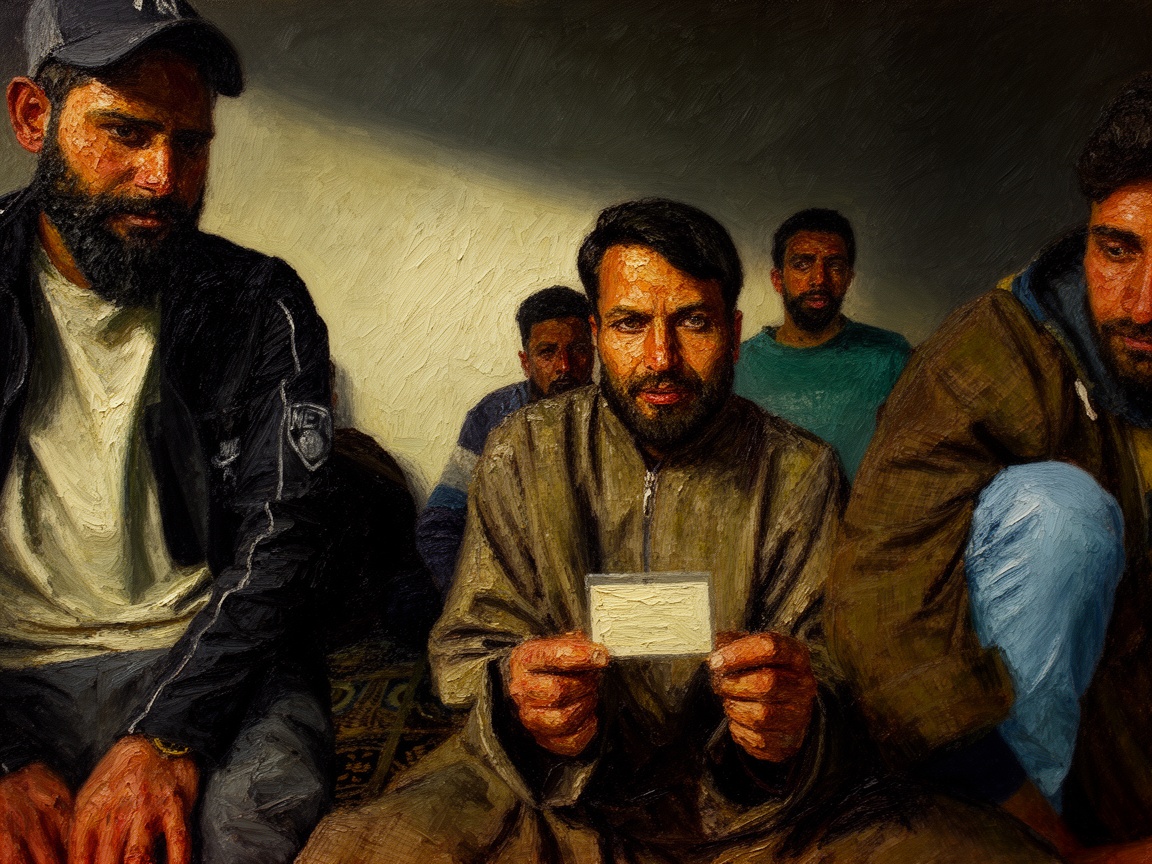
Two brothers from Kashmir have lost their lives to the violence that has plagued the region for decades, highlighting the deep-rooted issues affecting families and communities. The first brother was reportedly killed by rebels 26 years ago, a victim of the violent insurgency that has shaped Kashmir's history. Recently, the second brother was killed by the Indian Army, further intensifying the tragedy faced by their family.
This series of events underscores the protracted conflict in Kashmir, where civilian lives are often caught in the crossfire of military operations and militant activities. The historical context of the Kashmir conflict involves territorial disputes, ethnic tensions, and the struggle for autonomy, contributing to a cycle of violence that has led to significant loss of life on all sides.
Strategically, Kashmir remains a contentious region between India and Pakistan, with both countries claiming territorial rights. The ongoing dissent and military response continue to create an environment of insecurity, pushing local populations into a state of fear and unrest. The international community is watching closely, as shifts in this conflict may affect broader regional stability.
Operationally, military forces have maintained a heavy presence in the region, conducting operations to counter insurgent activities. However, the methods employed often lead to civilian casualties, which in turn fuels further resentment and escalates conflict within the community. This situation presents a challenge for military personnel to balance security operations with the protection of civilian lives.
The consequences of these killings extend beyond the immediate family, as they ripple through the community, deepening the wounds of conflict and generating calls for accountability. The situation in Kashmir remains precarious, with unresolved grievances and historical injustices likely to perpetuate violence for the foreseeable future. The deaths of the brothers serve as a stark reminder of the human cost of conflict in the region, bringing to light the need for renewed dialogue and a peaceful resolution to long-standing issues.