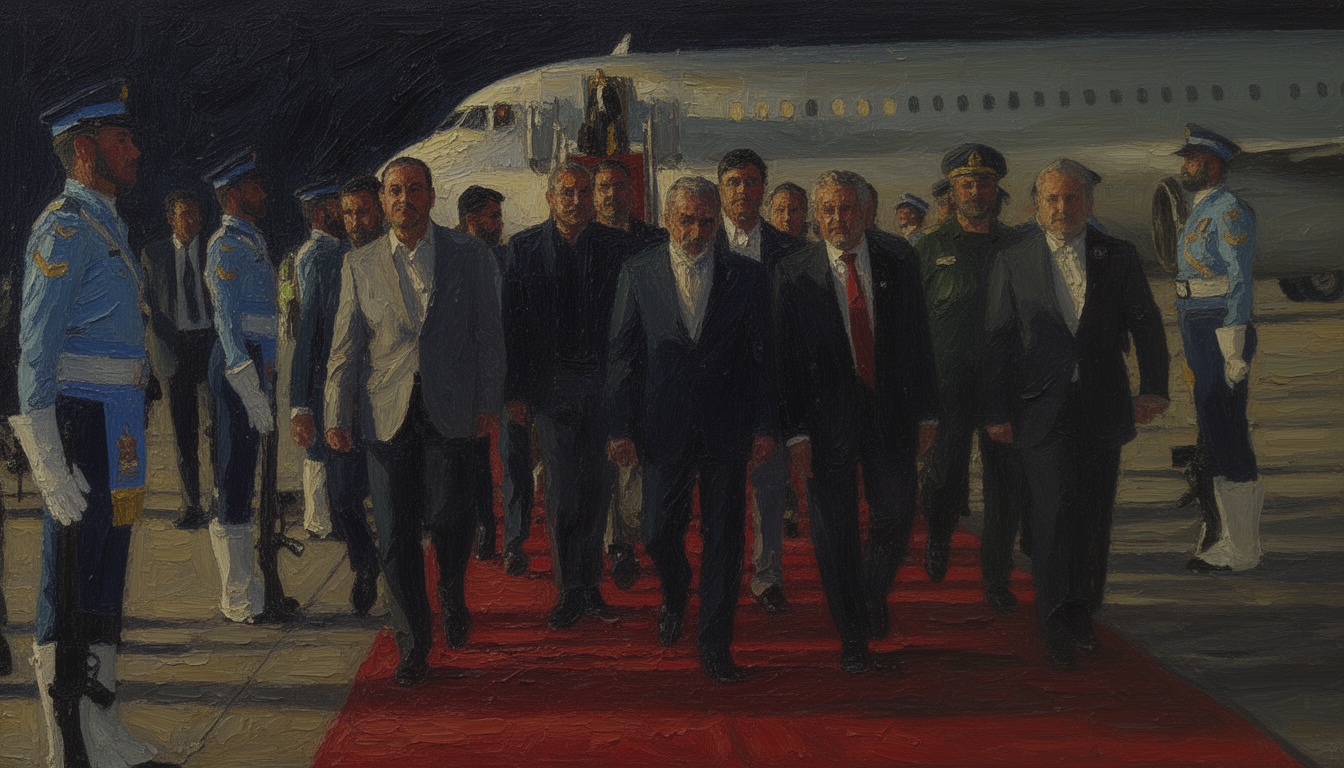
The recent docking of two Iranian warships in Indian and Sri Lankan ports highlights a significant shift in naval operations amidst rising tensions following the sinking of the Iranian vessel, IRIS Kharg, by a U.S. Navy submarine. This incident not only stripped Iran of a vital maritime asset but also showcases its increasingly precarious situation, leaving it reliant on strategic alignments with neighboring nations for support and logistical assistance.
Historically, Iran has faced sustained maritime challenges, particularly since the advent of U.S. sanctions and its increasingly confrontational posture in the Gulf region. The sinking of IRIS Kharg—a former replenishment ship—represents a humiliation for the Iranian Navy, previously seen as a contender in asserting control over vital shipping lanes. The reliance on India and Sri Lanka for refuge further underscores the vulnerability of Iran’s naval capabilities and its need to forge relationships in a changing geopolitical landscape.
This situation is significant as it exposes Iran's maritime vulnerabilities while simultaneously testing the geopolitical stability of South Asia. The presence of Iranian warships in Indian and Sri Lankan waters may prompt escalated naval surveillance from U.S. and allied forces, thereby complicating regional naval dynamics and increasing the risk of miscalculations or direct confrontations. With both India and Sri Lanka careful not to antagonize Western powers, their decision to allow Iranian vessels entry may invite scrutiny and repositioning from international players wary of Iranian military operations.
Iran’s motivations for docking in India and Sri Lanka are multifaceted. While on the surface, this may appear to be a strategic maneuver to bolster relations and secure naval support, it also indicates Iran’s desperation following the loss of its ship. For India, engaging with Iranian naval assets poses a dilemma as it strives to maintain its strategic autonomy while preventing U.S. backlash, which could threaten its own defense agreements with Western allies. Meanwhile, Sri Lanka, suffering from its own political crises, may see this as an opportunity to assert its sovereignty in naval affairs.
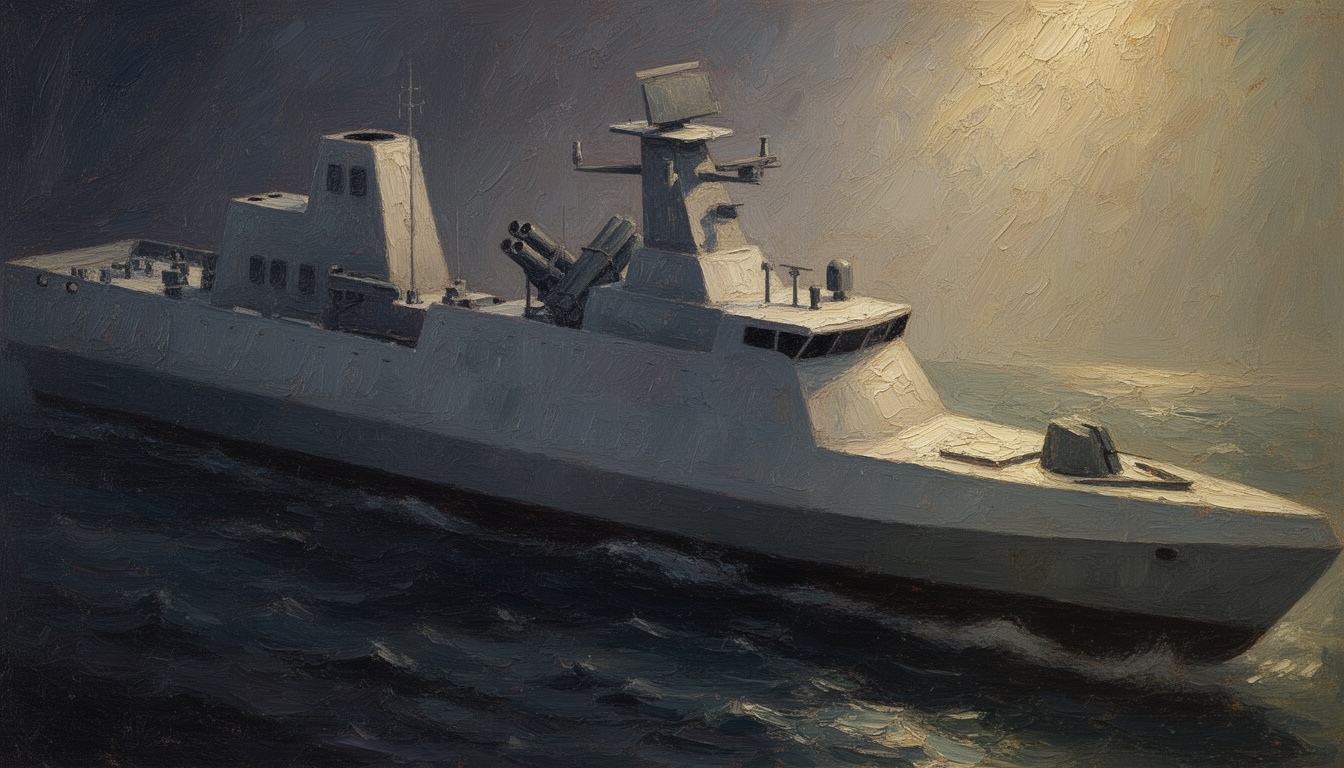
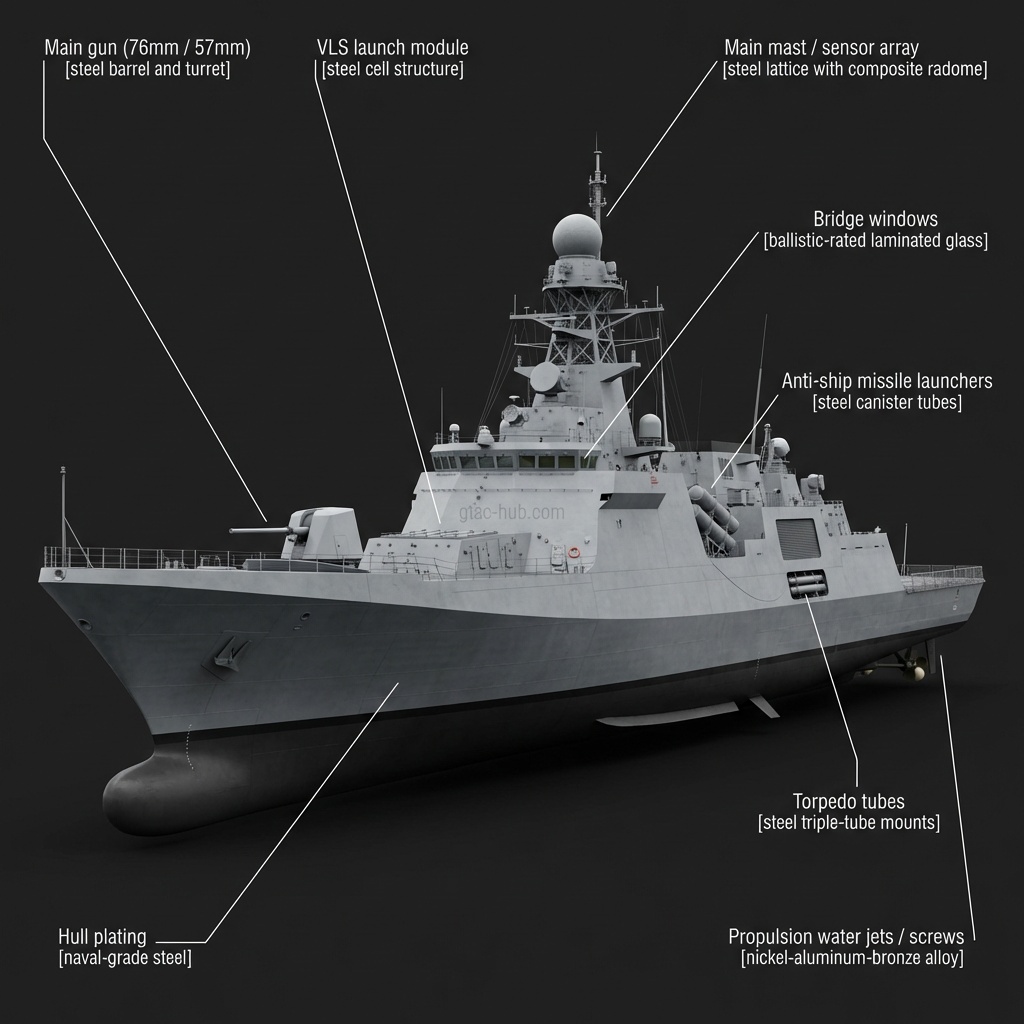
The warships, identified as IRIS Makran and IRIS Jamaran, are equipped for both surveillance and potential combat operations, reflecting that Iran still seeks to project power despite recent losses. IRIS Makran, with a length of 200 meters, is a logistic and support vessel with an arsenal capable of land-attack, while IRIS Jamaran, the indigenous destroyer of the Moudge class, is equipped with advanced radar and missile systems. Their presence close to major international shipping routes raises alarms over Iran's capabilities and intentions in the Indian Ocean.
These developments raise multiple avenues of potential escalation. Should either nation decide to grant these ships logistical support or allow any offensive operations, it could provoke a robust response from U.S. and allied forces, who maintain interests in regional stability. Moreover, heightened surveillance and military presence in the Indian Ocean could transform this area into a flashpoint for future maritime confrontations between opposing sides.
Historically, similar naval encounters around regional hubs have escalated into wider conflicts, as seen with the Gulf of Tonkin incident, which propelled the U.S. deeper into Vietnam. The docking of Iranian ships could trigger increased military presence from the U.S. and allied navies, reminiscent of Cold War dynamics where strategic naval positions were critical to containing adversarial influence in contested waters.
Looking forward, key indicators to watch include naval movements in the Indian Ocean, reactions from Pakistan and China regarding Iranian naval presence, and subsequent military exercises conducted by U.S. forces in regional waters. The potential for naval clashes or heightened anti-ship missile operations exists, warranting close observation as this situation unfolds, and forecasting the potential impacts on broader regional stability and naval balance of power.