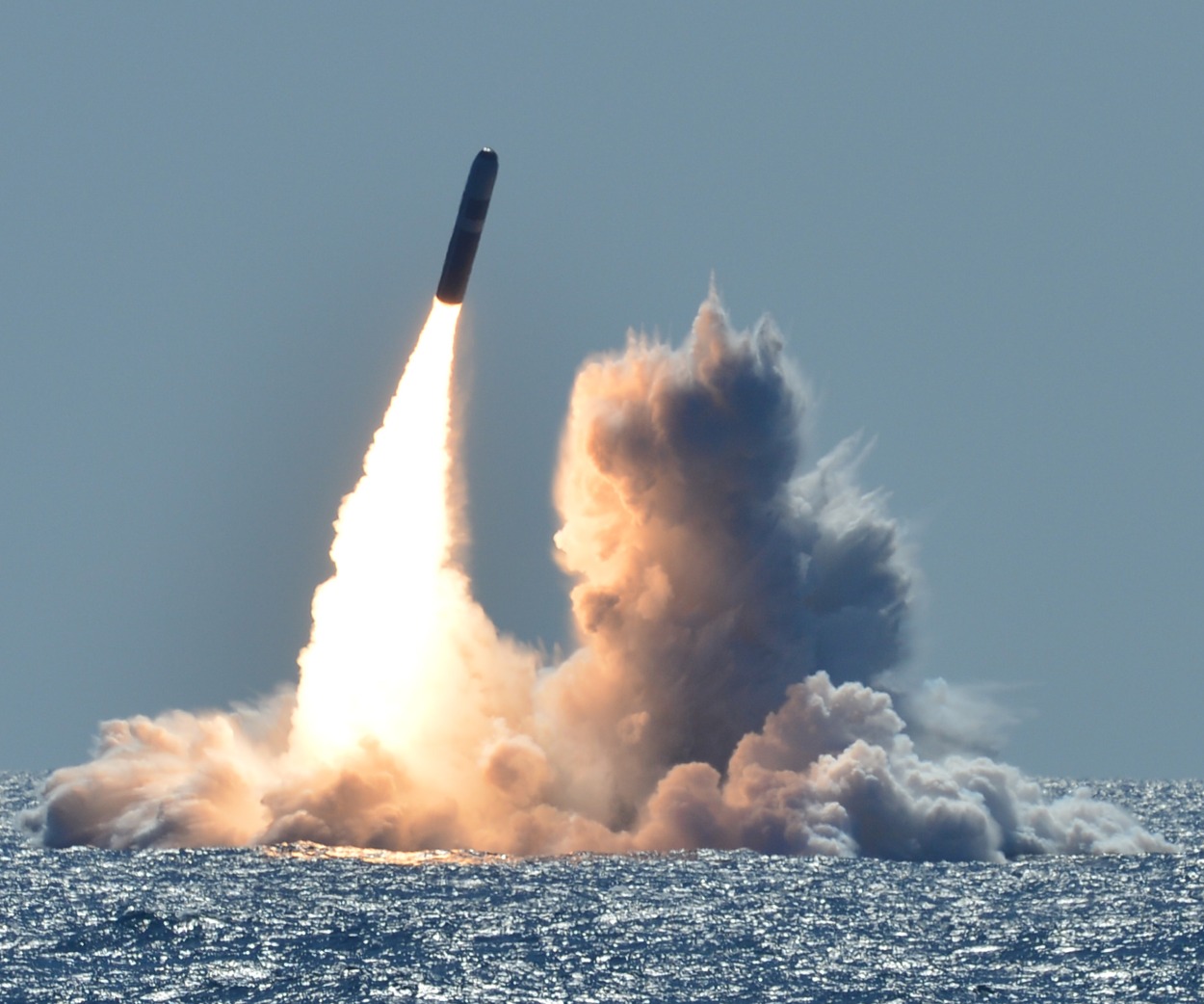
The Indian Ministry of Defence (MoD) has initiated a Request for Information (RFI) for a new class of undersea-launched cruise missiles, aimed at achieving land-attack capabilities beyond 500 kilometers. The specifications demand a system compatible with the standard 533 mm torpedo tubes utilized by the Indian Navy's existing fleet of conventional submarines, focusing on high accuracy and survivability in contested environments.
This development is significant as India seeks to enhance its naval strike capabilities amidst evolving geopolitical tensions, particularly in the Indo-Pacific region. The emphasis on undersea-launched systems indicates a shift towards enhancing stealth and strike range, allowing for increased operational flexibility against land-based adversaries, including those in the shadow of China's expanding military presence.
Key players in this initiative include the Indian Navy, which advocates for advanced naval capabilities, and various defense contractors that may respond to the RFI. The pursuit of a new missile system suggests a strategic pivot from earlier plans involving the BrahMos supersonic cruise missile retrofit, as the Navy aims for superior range and compatibility that may not be achievable within existing frameworks.
Regionally, the implications of this move may pressure neighboring countries, particularly Pakistan and China, to reassess their military postures and enhance their countermeasures. As India advances its capabilities, it could lead to an arms race in maritime and undersea warfare capabilities, compelling regional powers to invest in advanced technologies and deterrent strategies.
Historically, India has focused on bolstering its indigenous defense production, with projects like the K-15 Sagarika showcasing its commitment to undersea capabilities. This RFI marks a significant step in reinforcing the Navy's long-term strategic objectives, particularly in projecting power across the Indian Ocean and safeguarding national interests.
Analyst assessments indicate that success in this missile acquisition could solidify India's role as a formidable maritime power, enabling it to project influence over regional waters and deter adversaries effectively. The ongoing conflict dynamics in the South China Sea and the Indian Ocean region will likely drive urgency in the development and deployment of such missile systems moving forward.