
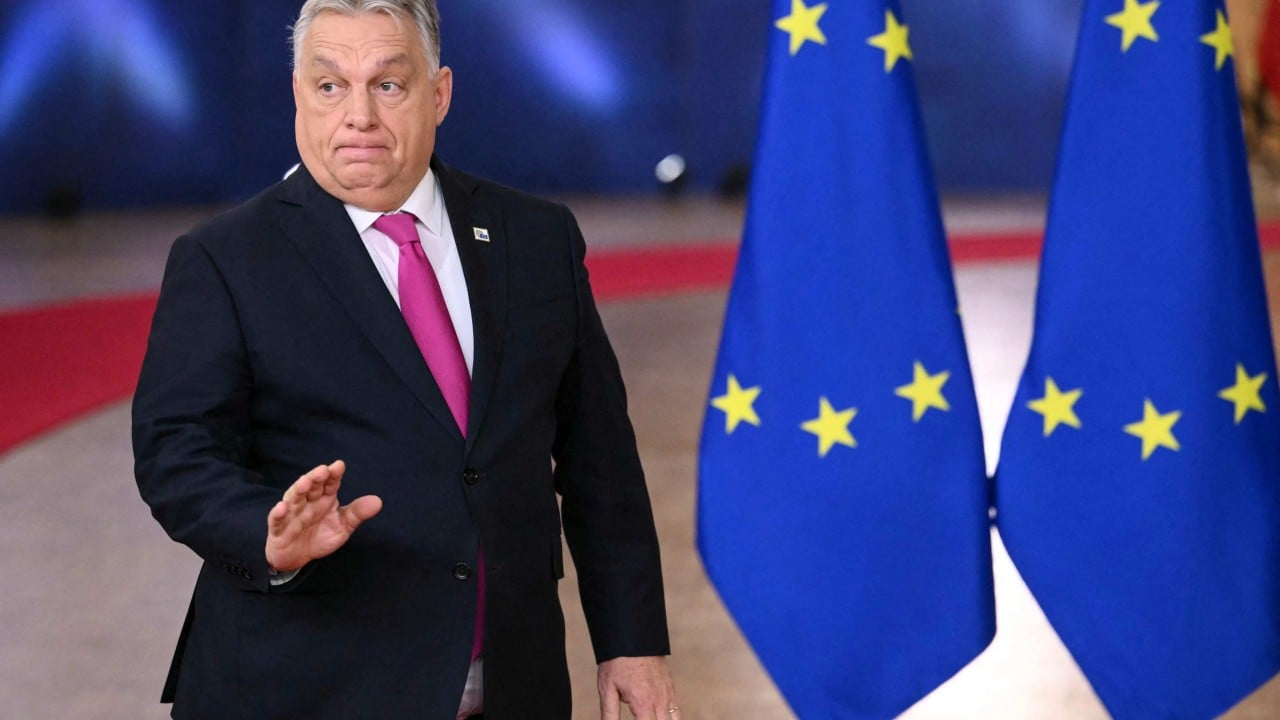
Hungarian Foreign Minister Peter Szijjarto has announced that Hungary will block the European Union's proposed sanctions package against Russia unless Russian oil deliveries to Hungary are resumed. This announcement comes ahead of a scheduled meeting of EU foreign ministers in Brussels, planned to coincide with the fourth anniversary of Russia's invasion of Ukraine. The proposed sanctions, marking the EU’s 20th round of measures against Moscow, aim to reinforce pressure on Russia amid ongoing conflict in Ukraine.
This situation is critical within the context of ongoing European efforts to present a united front against Russian aggression. The delayed sanction package reflects internal divisions within the EU regarding energy dependencies and the economic repercussions of sanctions on member states. Hungary's opposition underscores the delicate balance the EU must strike between collective security interests and the national needs of its member states, particularly regarding energy supplies.
Key players include Hungary, which relies heavily on Russian oil for its energy needs, and other EU member states advocating for stricter sanctions against Moscow. Hungary's geopolitical positioning and its recent alignment towards Moscow for energy security reveal a complex reality where national interests can thwart collective action. Hungary’s move may reflect an ongoing strategy to leverage its energy dependencies to extract concessions from Brussels.
The potential ramifications of Hungary blocking these sanctions could weaken the EU's stance against Russia, emboldening Moscow while simultaneously creating rifts within the Union. If sanctions do not proceed, it could hinder the EU's capability to effectively support Ukraine militarily and economically, prolonging the conflict and destabilizing the region even further.
Historically, energy security has been a pivotal point for EU politics, often dictating the pace and nature of foreign policy decisions. The current predicament echoes challenges faced by the EU in maintaining solidarity during previous crises involving Russian aggression, raising questions about the future cohesion of the bloc in the face of external threats.
Analyst assessment indicates that Hungary's position could inspire other member states to pursue similar tactics, thus complicating future EU-Russian relations. The lack of unity might embolden Russia not only in Ukraine but also in its engagements across Europe, ultimately affecting regional security dynamics and EU's credibility on the global stage.