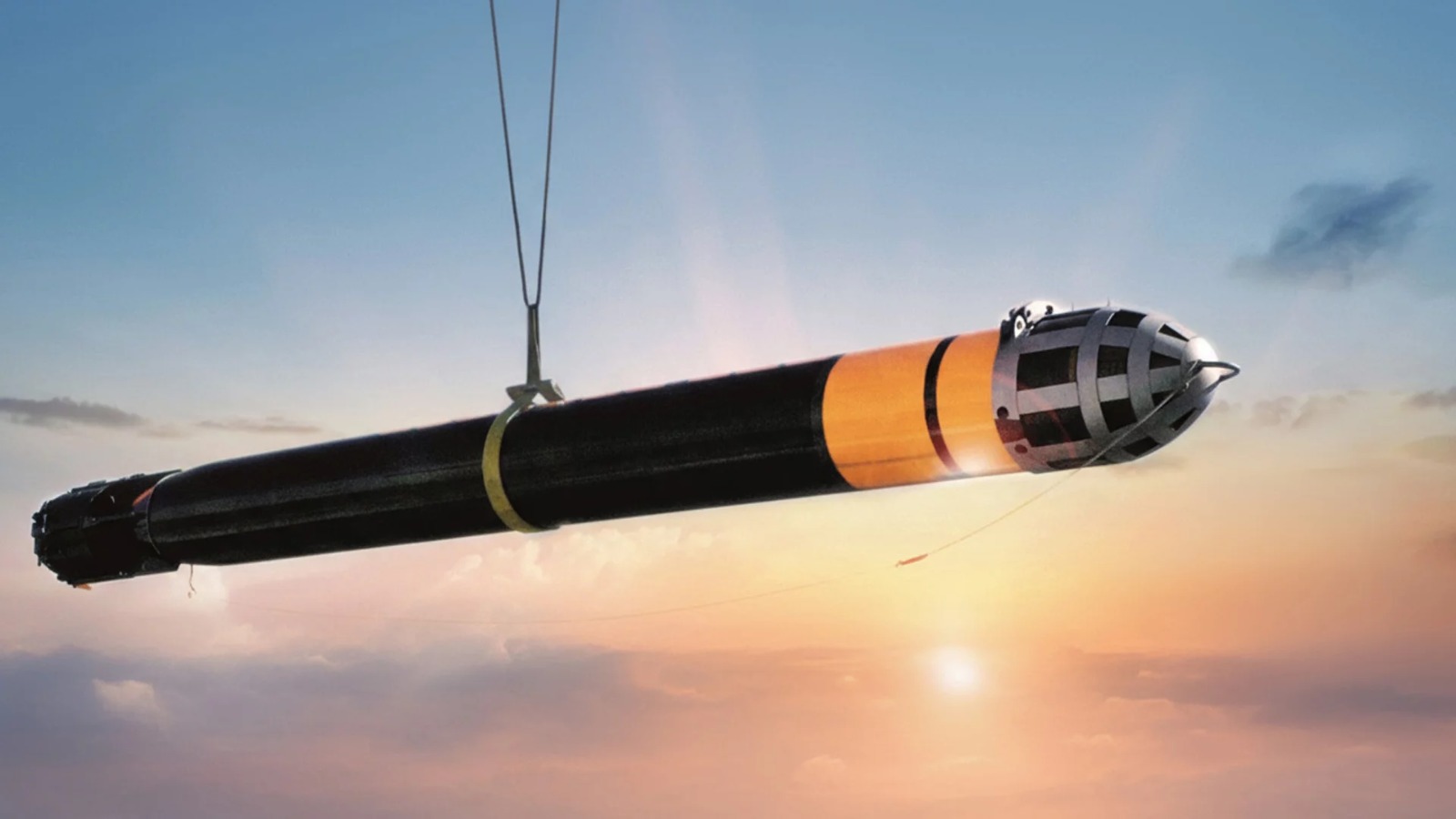
Germany's ThyssenKrupp Marine Systems (TKMS) has finalized a significant technology transfer agreement with India's VEM Technologies, allowing the Indian firm to produce the SeaHake mod4 heavyweight torpedo. This development, confirmed on March 10, 2026, will enable India to manufacture, integrate, and further upgrade this advanced weapon system domestically. The implications of this transfer extend beyond mere production capability; it signals a marked acceleration in India's defense autonomy amid rising regional tensions.
The SeaHake mod4 has been a part of the German naval arsenal, known for its advanced guidance systems and operational flexibility. Over the past several years, India's defense landscape has undergone a transformation, shifting towards self-reliance under the Make in India initiative. The Indian government has actively sought to bolster its indigenous defense manufacturing capabilities, a response to perceived threats from regional adversaries, most notably China and Pakistan. This era of technological cooperation is seen as a counterbalance to increasing military expenditures by these neighbors.
This development is significant as it not only enhances India's anti-submarine warfare capabilities but also positions the country in a more assertive role within the Indian Ocean Region. China has been expanding its naval presence, including the deployment of submarines, and India's acquisition of sophisticated torpedo technology like the SeaHake mod4 could shift the balance of power by improving deterrence capabilities. This technology could allow for improved engagement and operational readiness against potential threats on the high seas.
Countries like Germany, while focused on economic ties, have clear strategic motivations behind such transfers. For Germany, supporting India's military ambitions can serve to establish deeper defense partnerships, giving it leverage in South Asia. India, on the other hand, is intent on reducing reliance on foreign arms and enhancing its domestic defense industrial base, driven by national security concerns and geopolitical dynamics of peer competitors.
The SeaHake mod4 torpedo, reputed for its state-of-the-art guidance technology and effectiveness, underscores the advancing complexity of modern naval warfare systems. The torpedoes can reach depths of up to 600 meters and possess a range exceeding 50 kilometers, making them formidable assets against sub-surface threats. As part of the agreement, VEM Technologies will receive not just manufacturing capabilities but also vital software licenses and intellectual property, setting the stage for future upgrades and integration into India's broader naval strategy.
The consequences of this agreement could ignite a technological arms race not just in India but across the wider Indian Ocean Region. Neighboring nations may accelerate their own defense procurements or technological partnerships in response, leading to increased military expenditures and regional instability. Furthermore, operational deployments featuring advanced weaponry will likely contribute to escalations during maritime confrontations or territorial disputes.
Historically, similar technology transfer agreements have acted as catalysts for military buildups in regions with existing rivalries. The Cold War saw the expansion of arms transfers that altered military balances in critical theaters, and the prospective deployment of SeaHake mod4 torpedoes could reverberate through strategic discussions, alliances, and countermeasures across the wider region. This trend raises alarm for those monitoring the increasing militarization that often accompanies enhanced weaponry capabilities.
Moving forward, observers should closely monitor further developments around India’s naval capabilities and the pace of its indigenous defense production. Key indicators will include the timeline for the SeaHake mod4's integration into the Indian Navy, the reaction from neighboring countries, and potential responses from global allies or adversaries in the Indo-Pacific. Additionally, the negotiation of similar technology transfer agreements by other nations will serve as a litmus test for how alliances and power structures are evolving amidst rising geopolitical tensions.